Chagee: Staying profitable beyond the tea consumption hype
As the domestic Chinese market approaches maturity, Chagee’s international expansion strategy, starting in Southeast Asia, has moved to the forefront of its growth narrative.
The public debut of Chagee marked a definitive shift for the premium tea sector, capping a period of aggressive scaling that transitioned the brand from a regional startup into a primary focal point for Asia’s consumer discretionary market.
Founded in 2017, the company distinguished itself by reinterpreting traditional Chinese tea culture, prioritizing freshly brewed milk teas made from whole tea leaves over the powdered alternatives. Over the years, Chagee had established a network of thousands of locations across China and key international markets. This growth was underpinned by a franchise-heavy operating model and a vertically integrated supply chain.
To differentiate itself from competitors reliant on third-party vendors, Chagee invested heavily in upstream assets, securing long-term sourcing agreements with tea plantations in Yunnan and Fujian. This control over its raw materials form the core competitive advantage for the company over smaller-scale competitors which may not be able to do so economically. As the premium tea category matures, this vertical integration is designed to stabilize input costs and ensure product consistency, providing a buffer against the volatility of agricultural commodity prices.
Driven by a combination of rapid store-count growth and a premium pricing strategy, Chagee listed on the US Nasdaq exchange with much fanfare. By positioning its products closer to specialty coffee chains than mass-market milk tea, they successfully captured a higher-spending demographic. Relying largely on prime locations in urban centres and digital engagement, it was no surprise that they separated themselves from the more budget bubble tea chains right from the beginning.
Despite its strong start, Chagee’s share price recently faced sustained pressure. This reflects a broader market reassessment of high-growth Chinese consumer brands as discretionary spending began to moderate. There have also been concerns regarding local saturation, particularly in Tier-1 cities where dense clusters of outlets can cannibalize same-store sales. This will likely force the company to rethink its franchise partnerships and the quality of the network expansion.
Furthermore, competition from rivals such as Nayuki and HeyTea has intensified. As these competitors adopt similar concept of fresh quality tea and digital-first strategies, Chagee has responded by prioritizing menu simplicity. By anchoring its offerings around signature jasmine and oolong milk teas, the company aims to maximize operational efficiency and maintain brand clarity in a crowded marketplace.
As the domestic Chinese market approaches maturity, the company’s international strategy has moved to the forefront of its growth narrative. To this end, management views overseas markets not as incremental revenue streams, but as the foundation for a global brand. For now, the company is focused on experimenting in countries where consumers are already familiar with Chinese tea culture and have similar beverage consumption behavior.
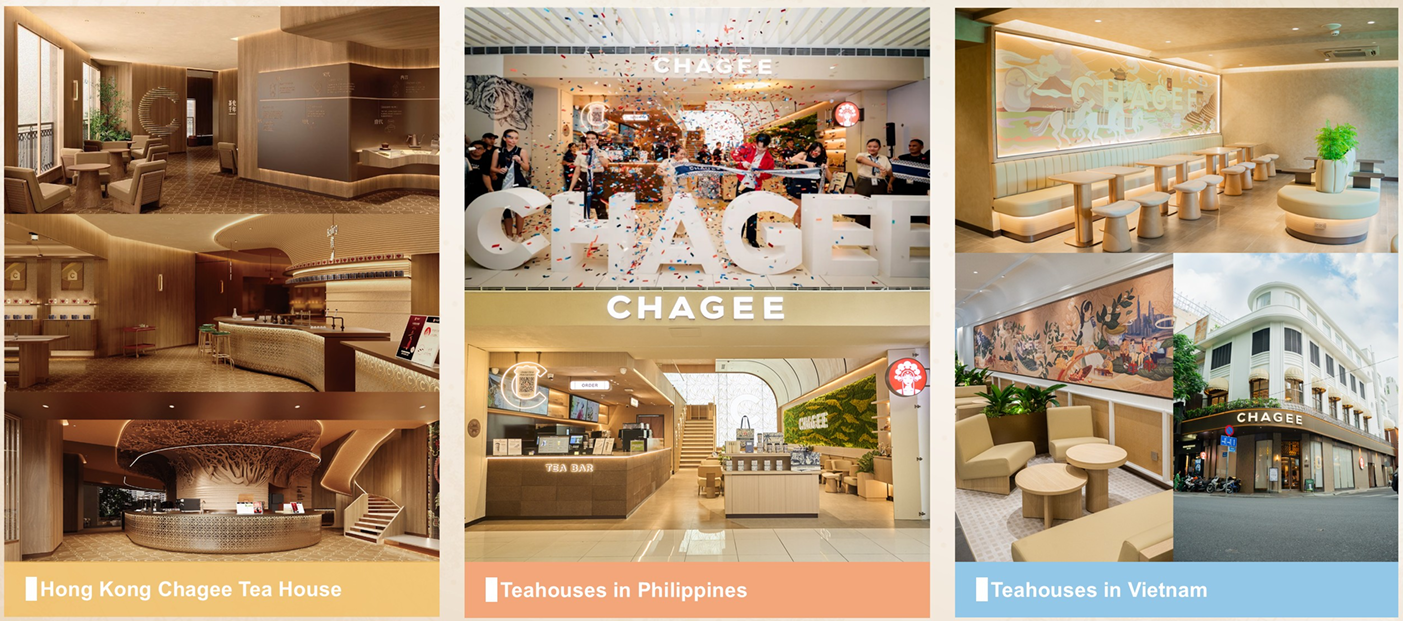
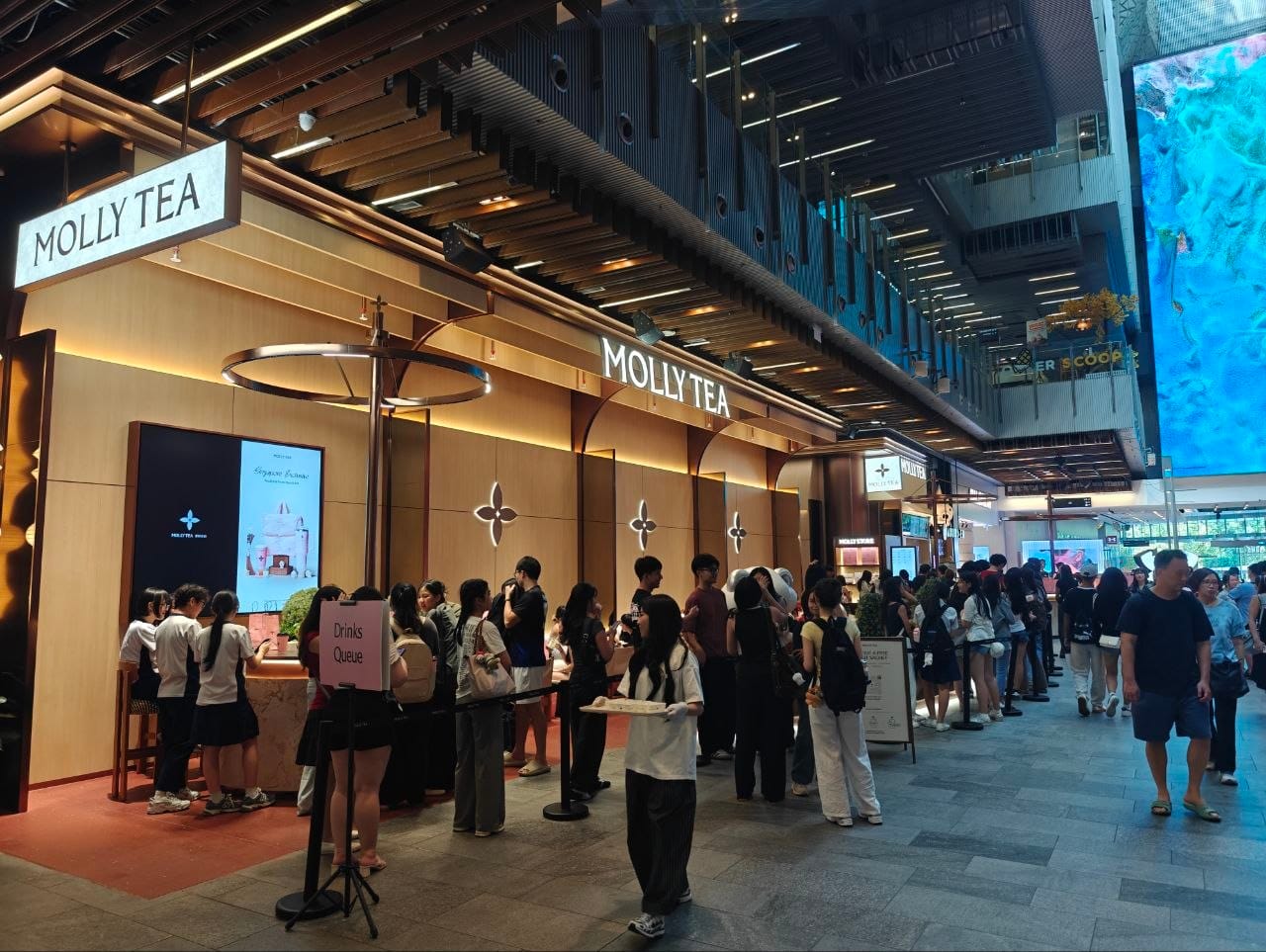
Several Asian cities with high consumption power like Singapore, Kuala Lumpur and Bangkok have already seen flagship stores and an overall ramp up in store expansions. Chagee’s tea lounges concept offers a strong first impression to the cities which they first enter into, helping to solidify its premium brand perception. Following that, smaller delivery-optimised stores will help consolidate the network and reap economies of scale when the local supply chain get set up.
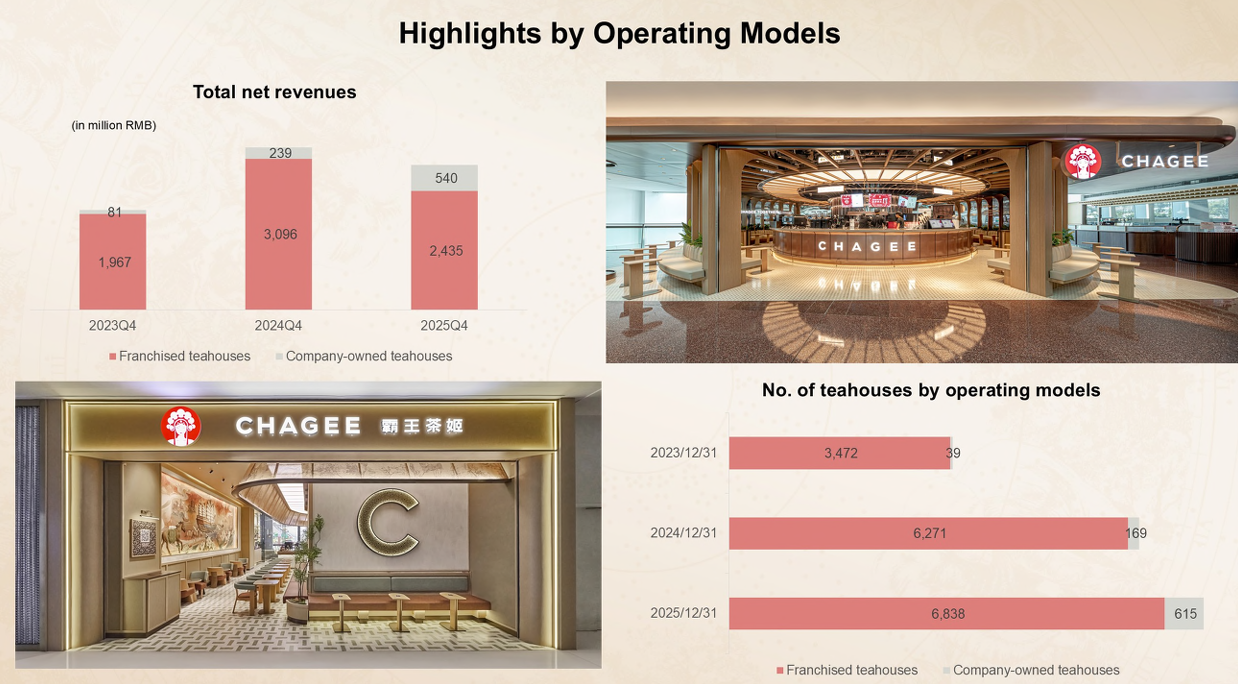
Rather than relying entirely on franchising in these early markets, Chagee has opted for a hybrid operating model that combines company-operated flagship outlets with carefully selected local partners. This will allow for tighter quality control over branding and service level. Localization of the menu has also played an important role in overseas market acceptance. While signature drinks such as jasmine green milk tea remain the core offering, regional variants have been introduced to reflect local tastes.
Outside of Asia, the company has repeatedly signaled interest in entering North American and European markets, where specialty tea consumption is rising but premium milk tea chains remain relatively underdeveloped. However, these markets pose additional challenges, including higher labor costs, stricter food safety regulations and the need to educate the broader consumer groups on Chinese tea beverages. Similar to how the matcha craze has taken over top Western cities, Chagee will stand to gain enormously if the same phenomenon takes shape.
Putting it together, Chagee’s long-term valuation now hinges on its ability to transition from a rapid-growth startup into a cost-disciplined international business. Taking the right step, the company has signaled a shift away from aggressive store-count targets toward unit economics and brand consolidation. Matching the lifestyle branding of Starbucks with the technology-driven efficiency of Luckin Coffee, Chagee is attempting to elevate tea into a globally recognized premium beverage category by incorporating their products into every consumer’s daily ritual.