Trip review of Jeju: Spring florals and a definitive dining list
Navigating Jeju island by car is no doubt the most convenient way, unlocking everything from the historic, flower-lined streets of Jeju City to the serene coastal trails of Aewol.
This trip was completed in April 2026.
Jeju Island, South Korea’s volcanic getaway, offers a blend of natural landscapes, deep-rooted cultural heritage, and a rapidly evolving lifestyle and culinary scene. Similar to Japan's Okinawa, Jeju Island is located in the south and off the main island of South Korea, rising in popularity as a getaway destination.
Visiting in the spring provides a front-row seat to floral transformations, where iconic coastlines meet vibrant blossoms. While timing cherry blossoms are always going to be challenging, luck was on our side this year.
This trip was also done with a rental car to provide maximum flexibility when finding cherry blossoms sites. Furthermore, differing from our usual practice of staying in a hotel, we rented an Airbnb within the city as a base for multiple day trips to different areas of the island.
Transportation: Lotte Car Rentals
Rating 8.0/10
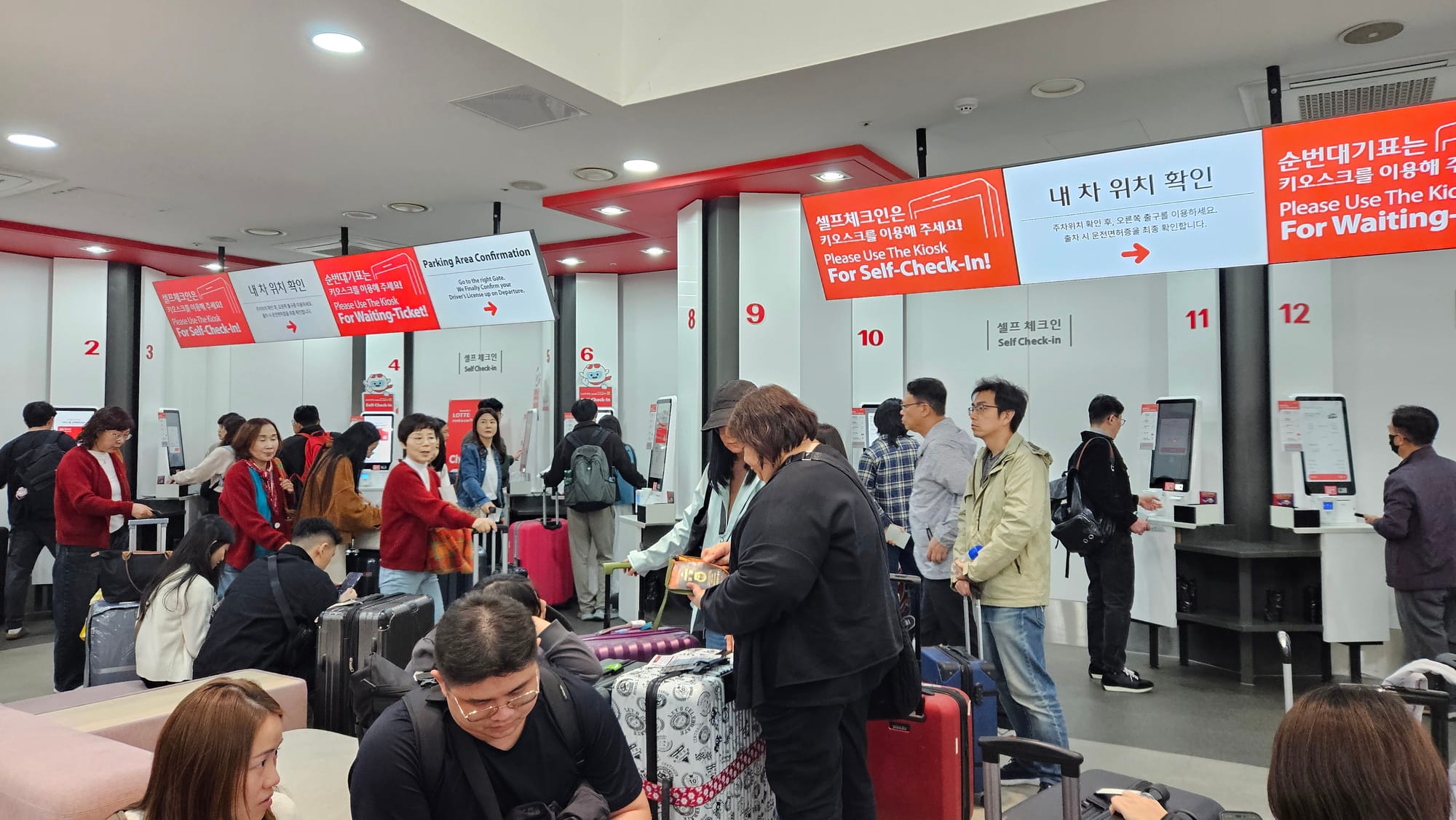
For maximum flexibility and to reach many of the spots scattered across Jeju Island, renting a car is highly recommended. For our visit, we opted to rent a vehicle with Lotte Car Rentals.
The entire arrival process is smooth, with efficient shuttle services running every 15 minutes from Jeju International Airport directly to the car rental center. The facility is exceptionally tourist-friendly, offering English-language services. However, do note that it is necessary to possess a physical International Driving Permit (IDP), as digital copies are strictly rejected.
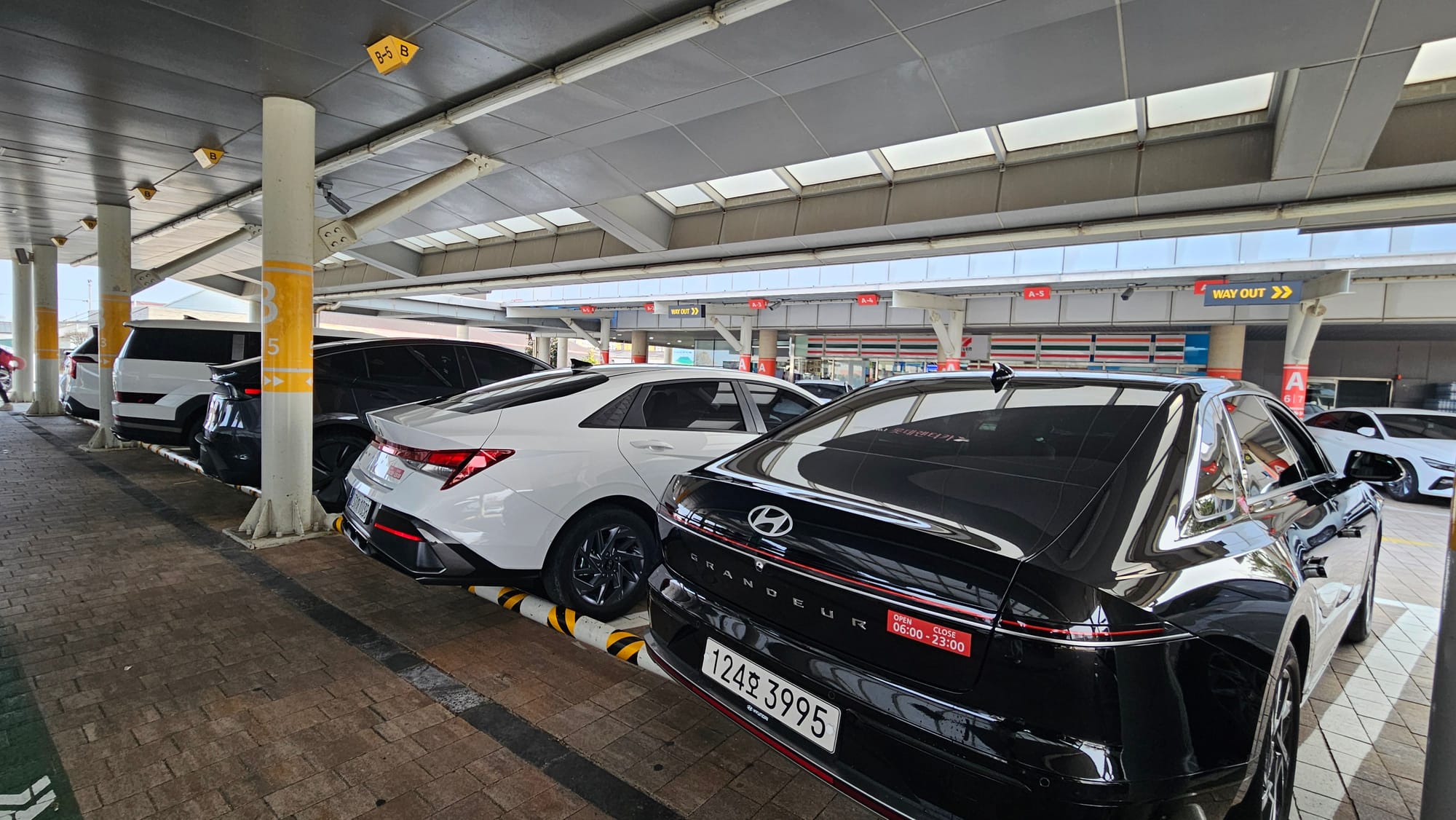
Lotte Car Rentals also accommodates early morning departures, opening at 6:00 AM to facilitate stress-free drop-offs for early flights. Once on the move, the island's roads are well-marked and relatively calm. Drivers should remain mindful that speed limits are strictly enforced by automated cameras to ensure safety across the island.
Accommodation: Airbnb around Yeon-dong
Rating 7.6/10
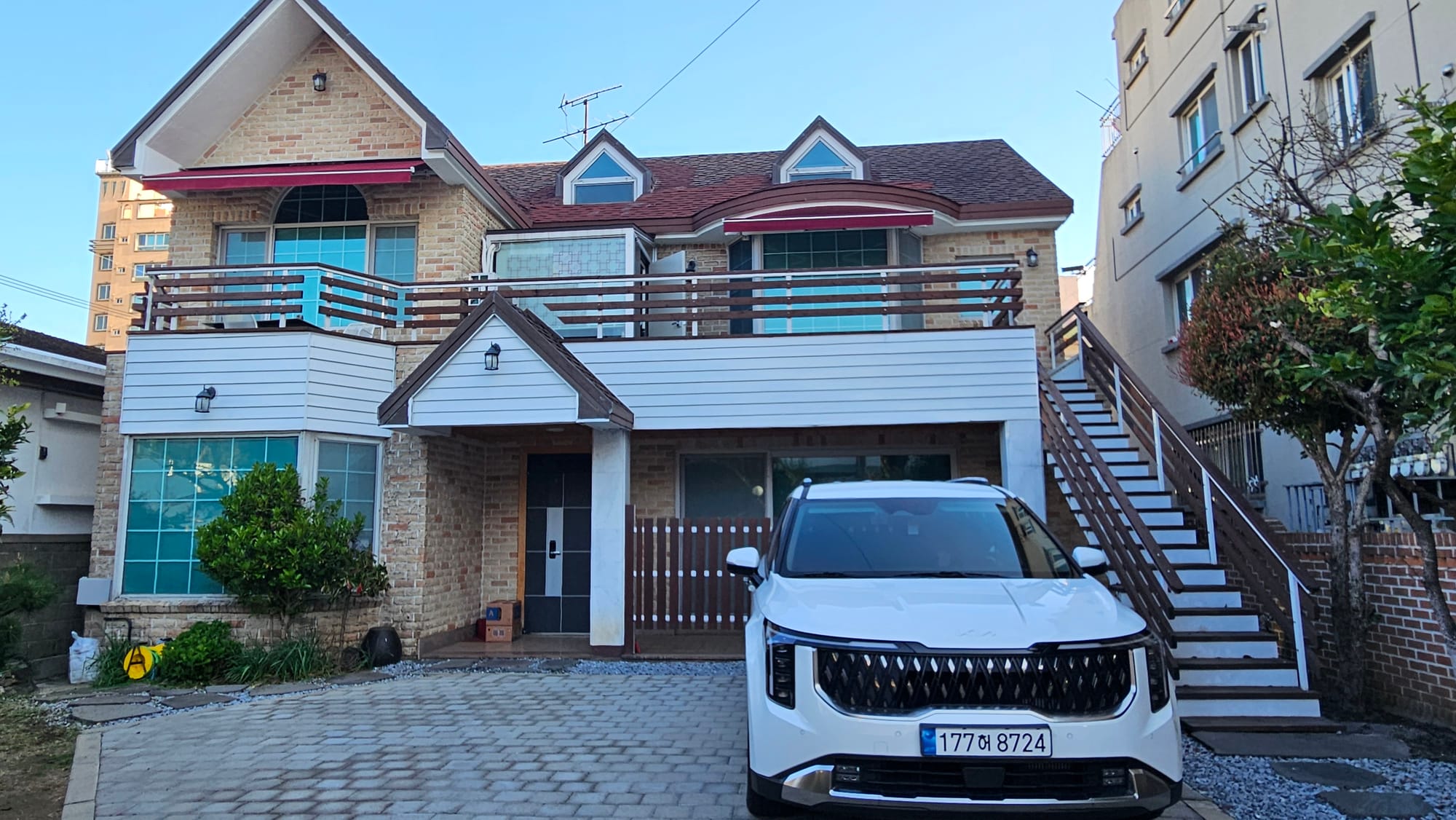
Due to the proximity of the airport to downtown Jeju, we decided to base ourselves within the city for convenience. The city has the highest supply of accommodation options for travelers and the small size of the island meant that almost the entire island can be reached within a few hours from downtown. There is less need to plan a road trip with multiple accommodations dispersed around the island.
Situated in a peaceful residential neighborhood, the property is managed by a friendly host who can converse in simple English. The apartment is well-maintained and equipped with essential amenities, including air-conditioning and a full-size kitchen. A dedicated parking space within the compound is available for guests. Daily housekeeping services were also provided, keeping the unit clean and comfortable throughout our stay.
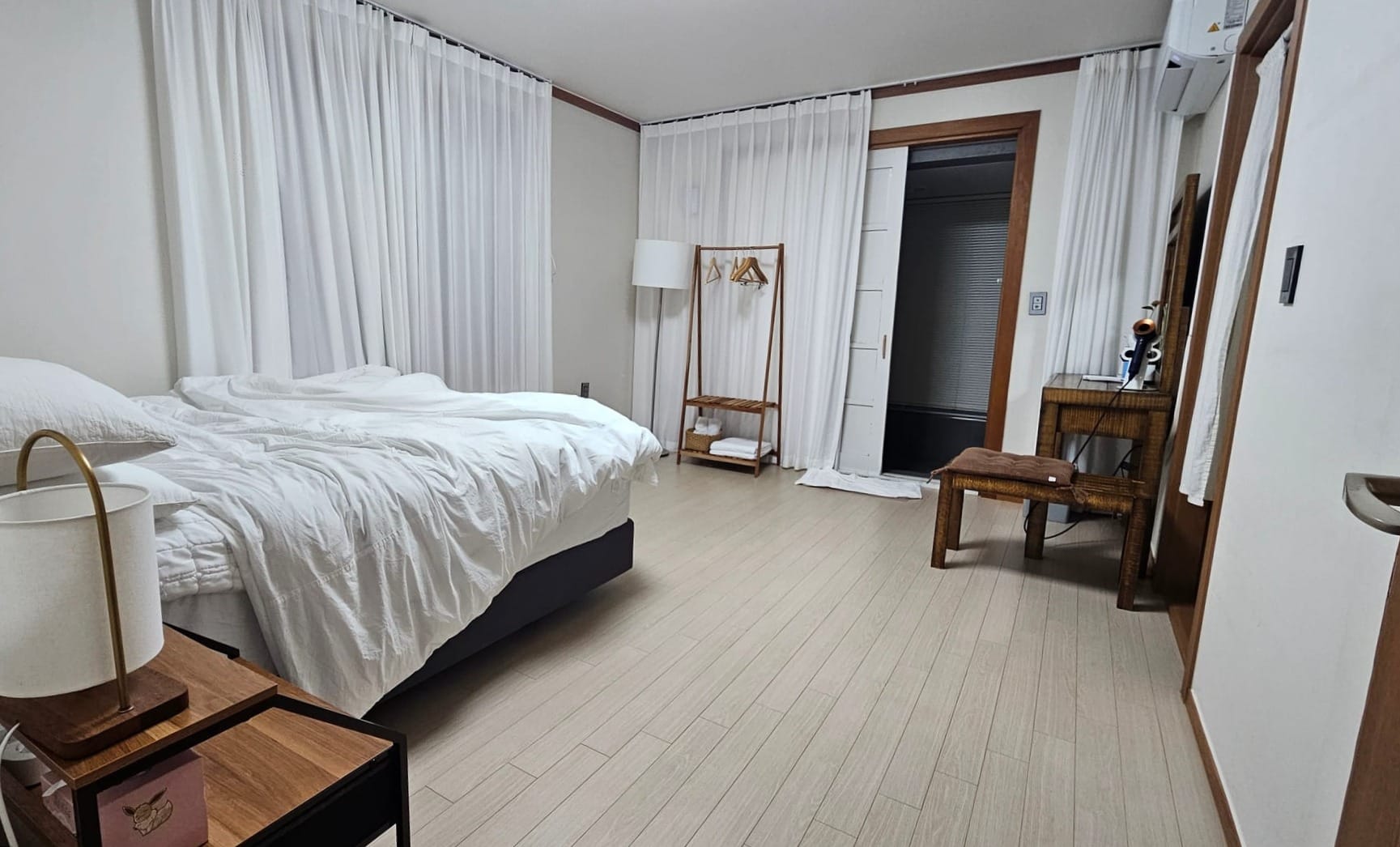
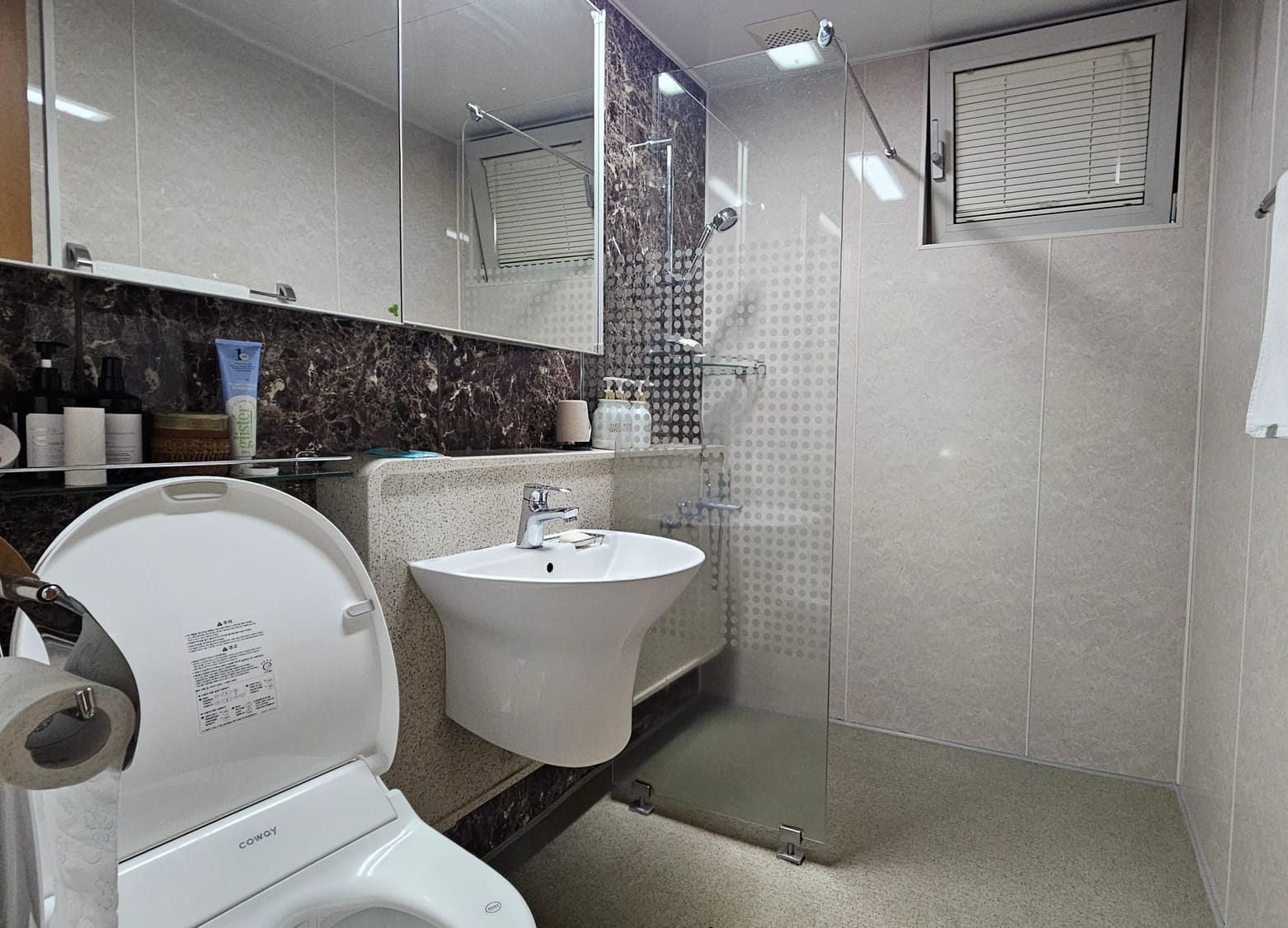
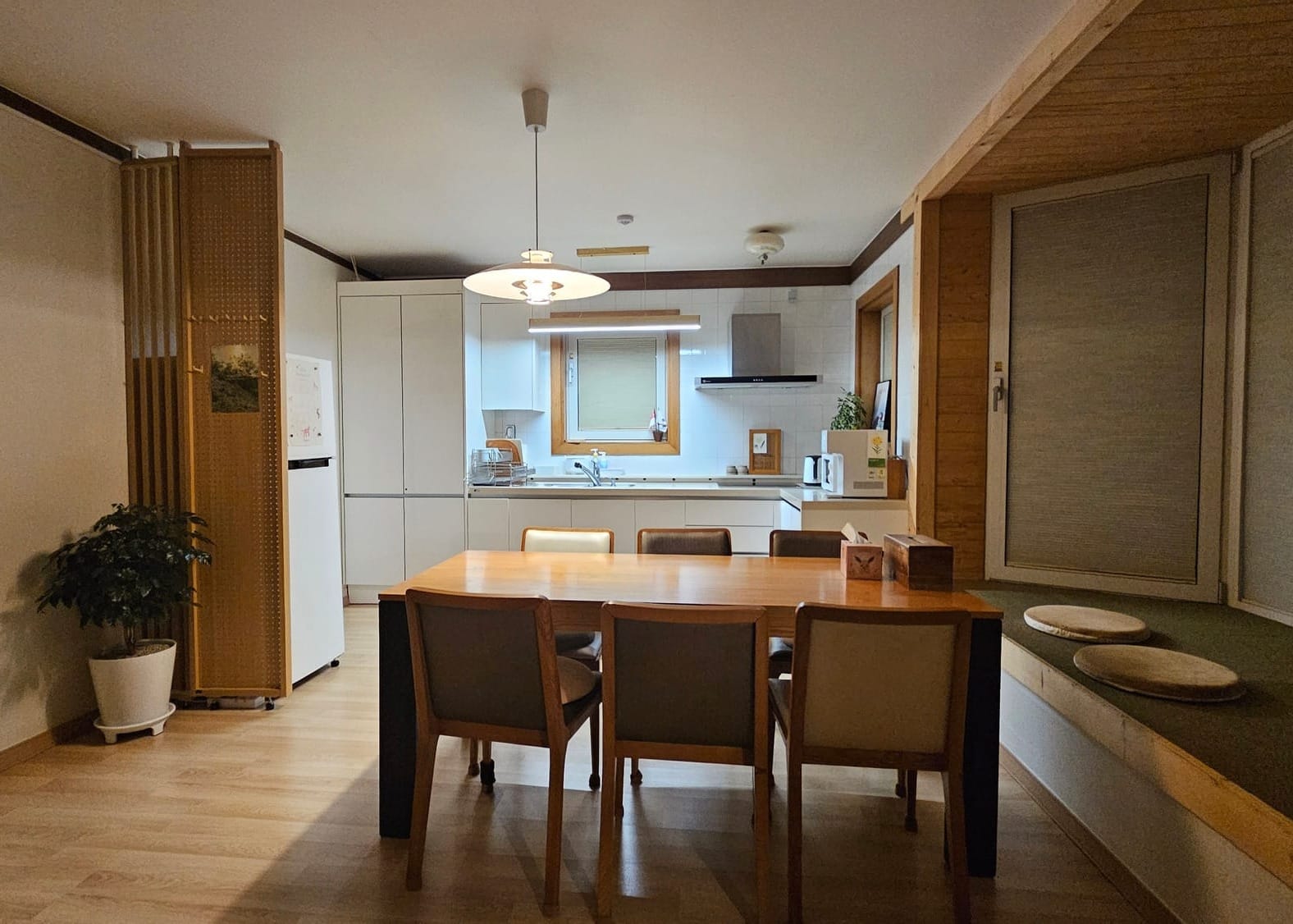
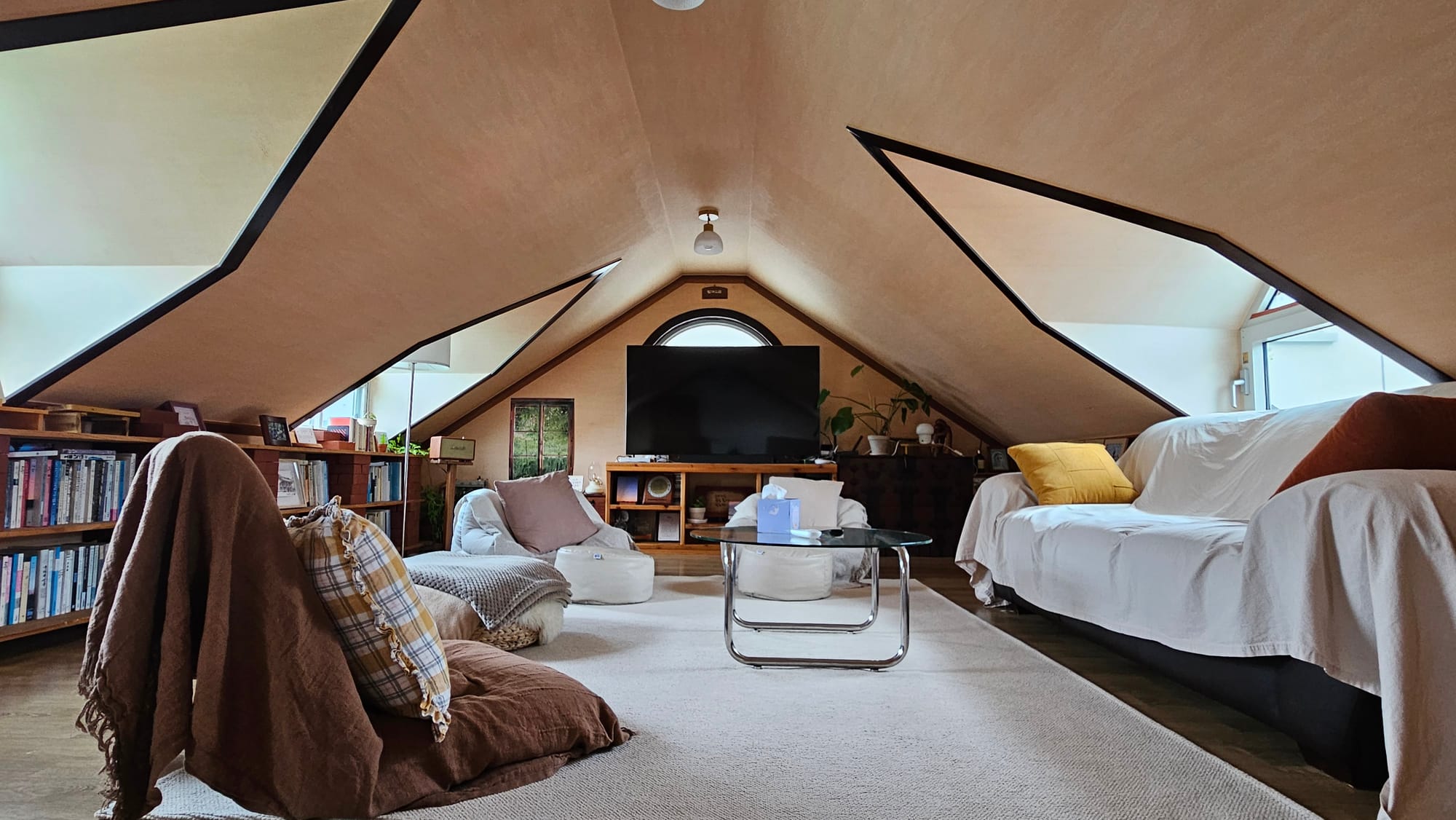
As a three-storey house, there are two separate reservations available (booking the ground floor or the second floor with an attached attic access) so there may be a chance of having to share the property with another group of traveler. We stayed on the second floor, which has its main entry through a separate outdoor staircase from the parking space to the open balcony above.
Dining: London Bagel Museum
Rating 8.2/10
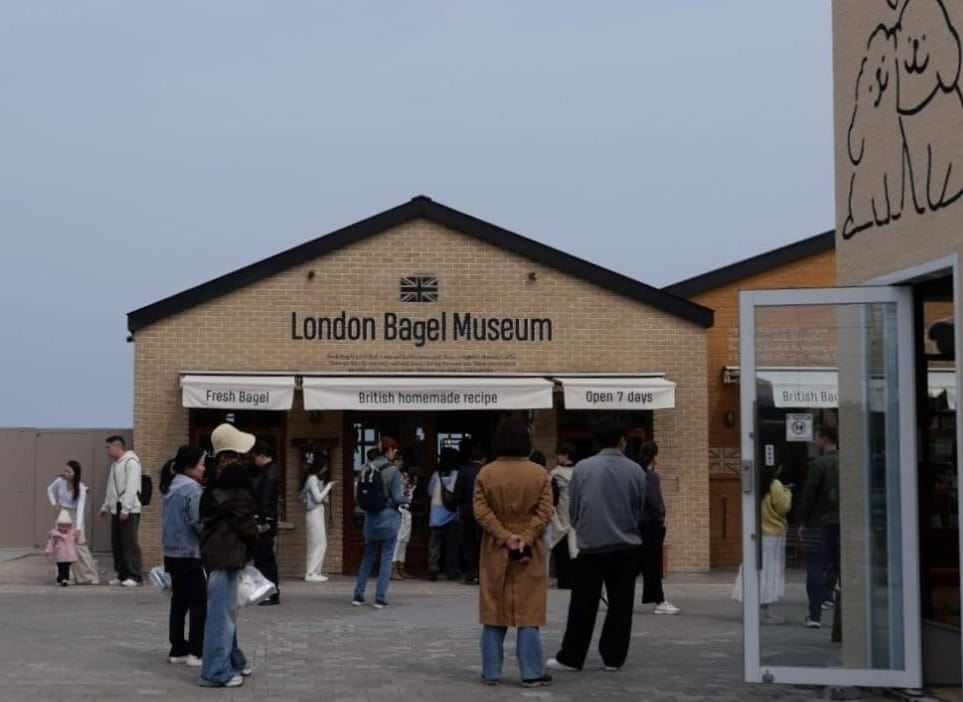
Our first notable dining stop was the London Bagel Museum, a bakery specializing in "Korean-style" bagels featuring a distinct, tteok-like chewiness. The brand first gained immense popularity in Seoul, turning the traditional bagel into a lifestyle statement via its distinct British equestrian aesthetic. This outlet, positioned along the beautiful Dongbok-ri coastline, is a scenic new addition to the brand's portfolio.
We visited late morning on a weekday and had to wait close to an hour before being seated. Fortunately, the queuing system is managed digitally, allowing visitors to enjoy complimentary tea and relax at a free-seating area. The surrounding vicinity is newly developed as a tourist destination, meaning it features a few other trendy lifestyle shops and cafes worth exploring while you wait.
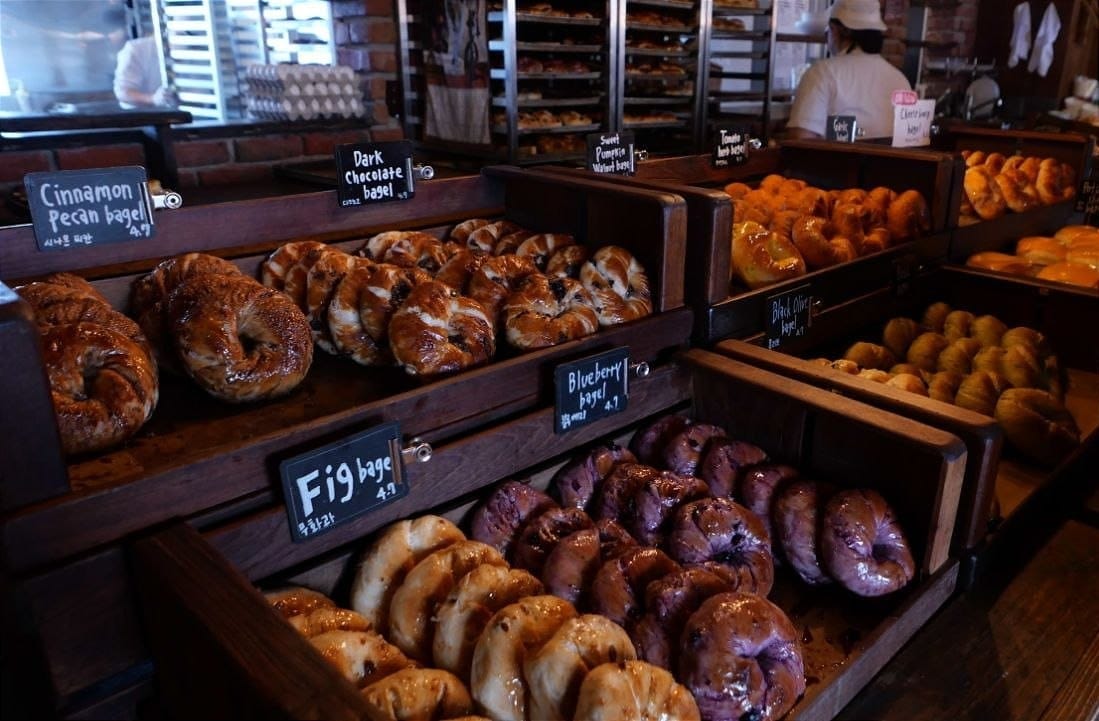
The extensive menu boasts over 20 varieties of bagels, ranging from simple classics like blueberry to elaborate, loaded options like chives and cream cheese. The honey cheese bagel was particularly enjoyable, striking a perfect balance between sweet and savory flavor profiles. To complement the baked goods, the cafe offers specialized cream cheese spreads like garlic, basil pesto, and smoked salmon. We also ordered the mushroom soup, which delivered a robust truffle aroma and paired well with the bagels.
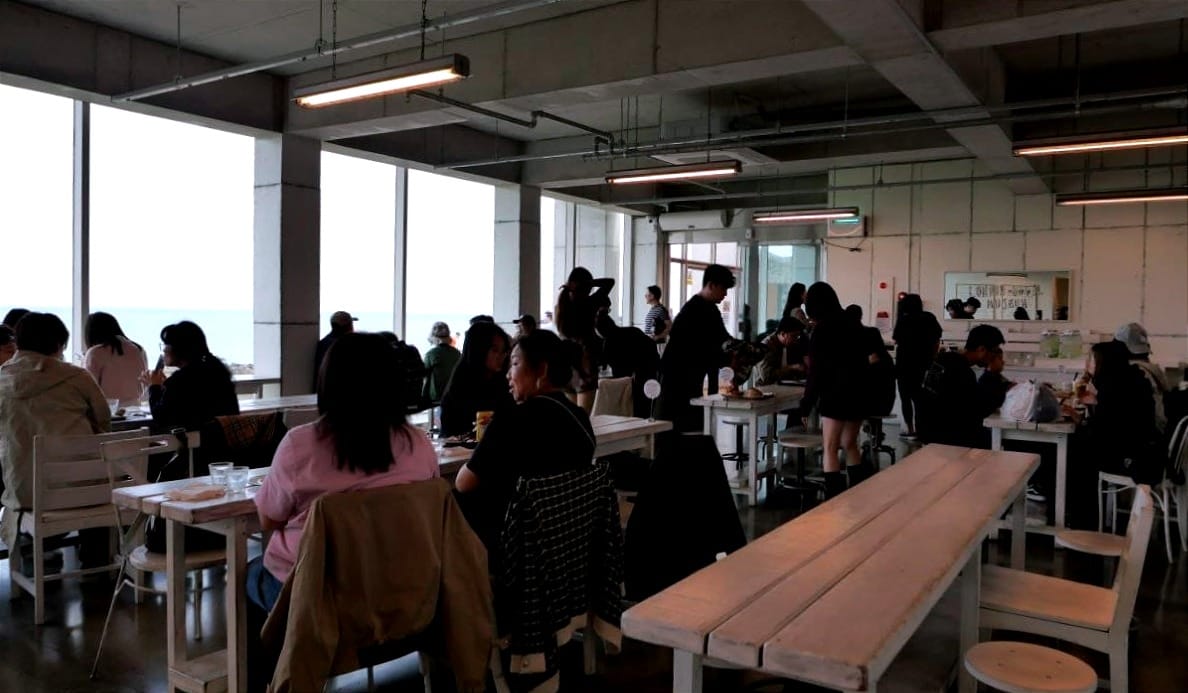
Beyond the food and beverages, the bakery includes a dedicated gift section selling branded tote bags and stuffed horse plushies that reinforce the establishment's lifestyle status. For those driving to the area, visitors can park at a nearby paid Kakao parking lot.
Dining: Semo
Rating 7.9/10
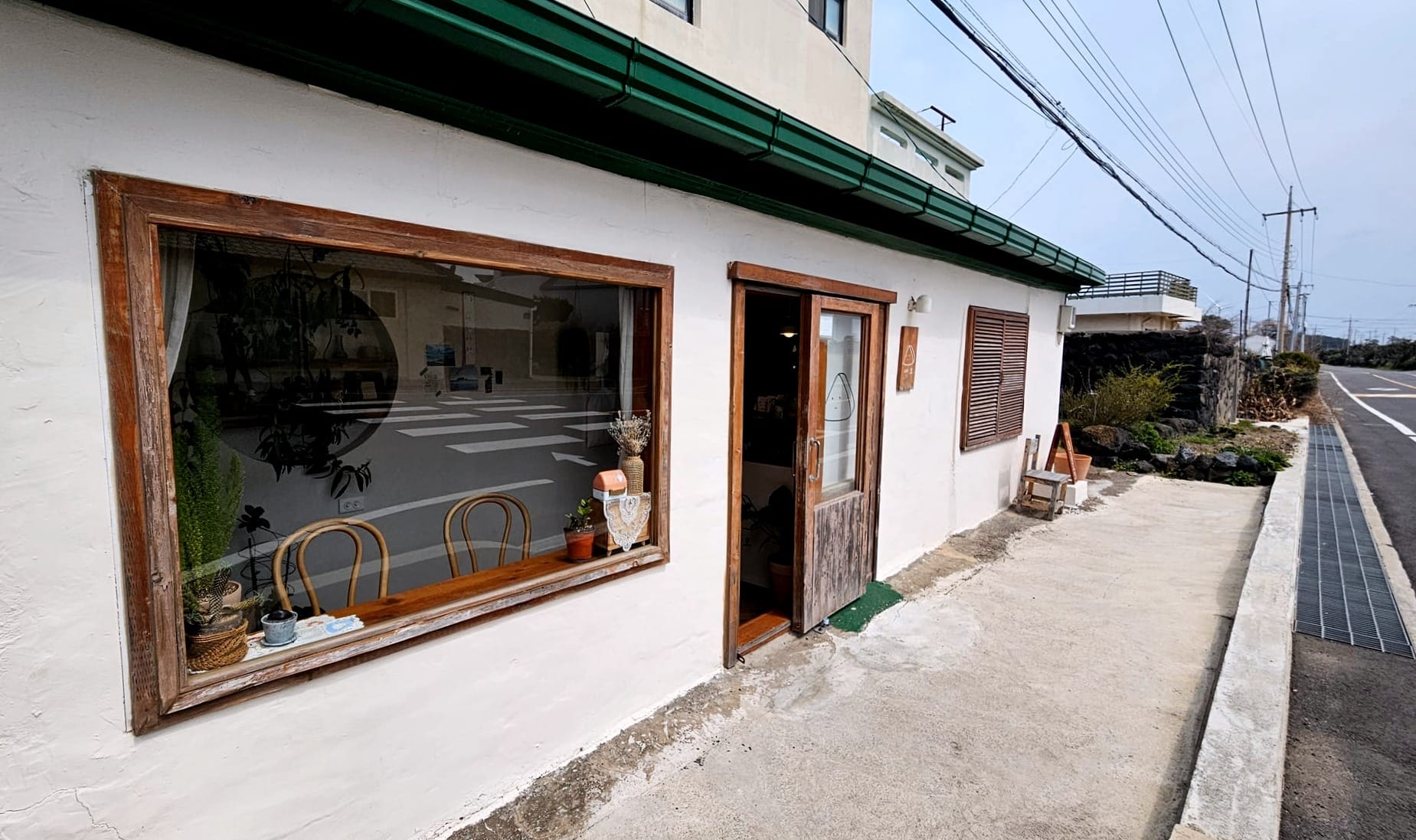
Our next culinary stop brought us to the quiet precinct of Haengwon-ri. Here, Semo offers a minimalist dining experience focused entirely on jumeokbap (hand-molded rice balls). The name "Semo," meaning "triangle" in Korean, is playfully reflected in the geometric shape of the rice dishes.
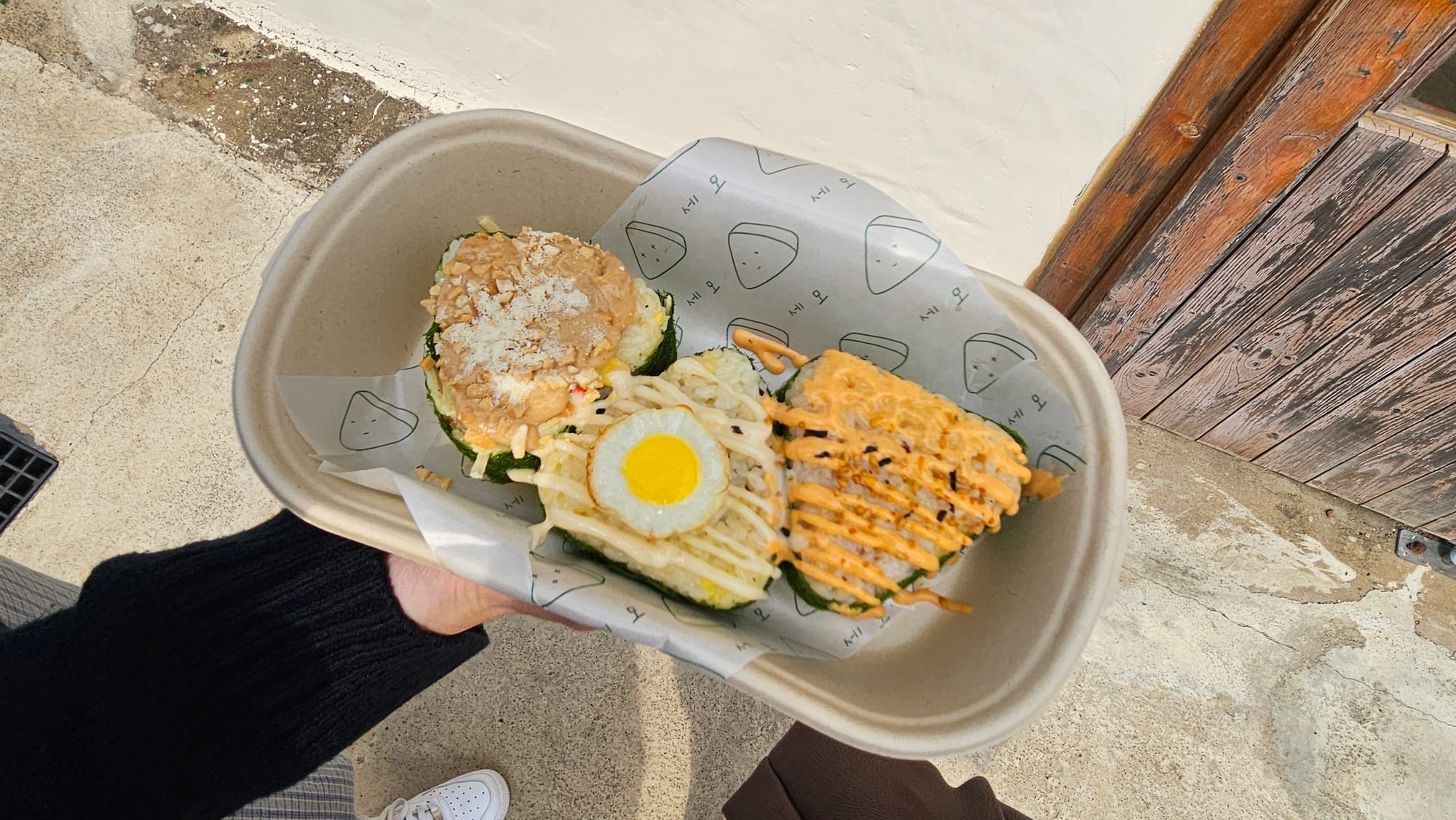
Semo expertly transforms simple Korean staples into modern snacks by utilizing high-quality local ingredients. The menu highlights the natural flavors of the Jeju seas and mountains, showcasing premium fillings like seasoned black pork and tuna. The establishment itself is small and intimate, containing only a handful of indoor seats. Because it operates primarily as a takeaway-centric hub, it has become a highly popular option among visitors planning to have a scenic picnic at the nearby Woljeong-ri Beach.
Dining: Highend Jeju
Rating 7.5/10
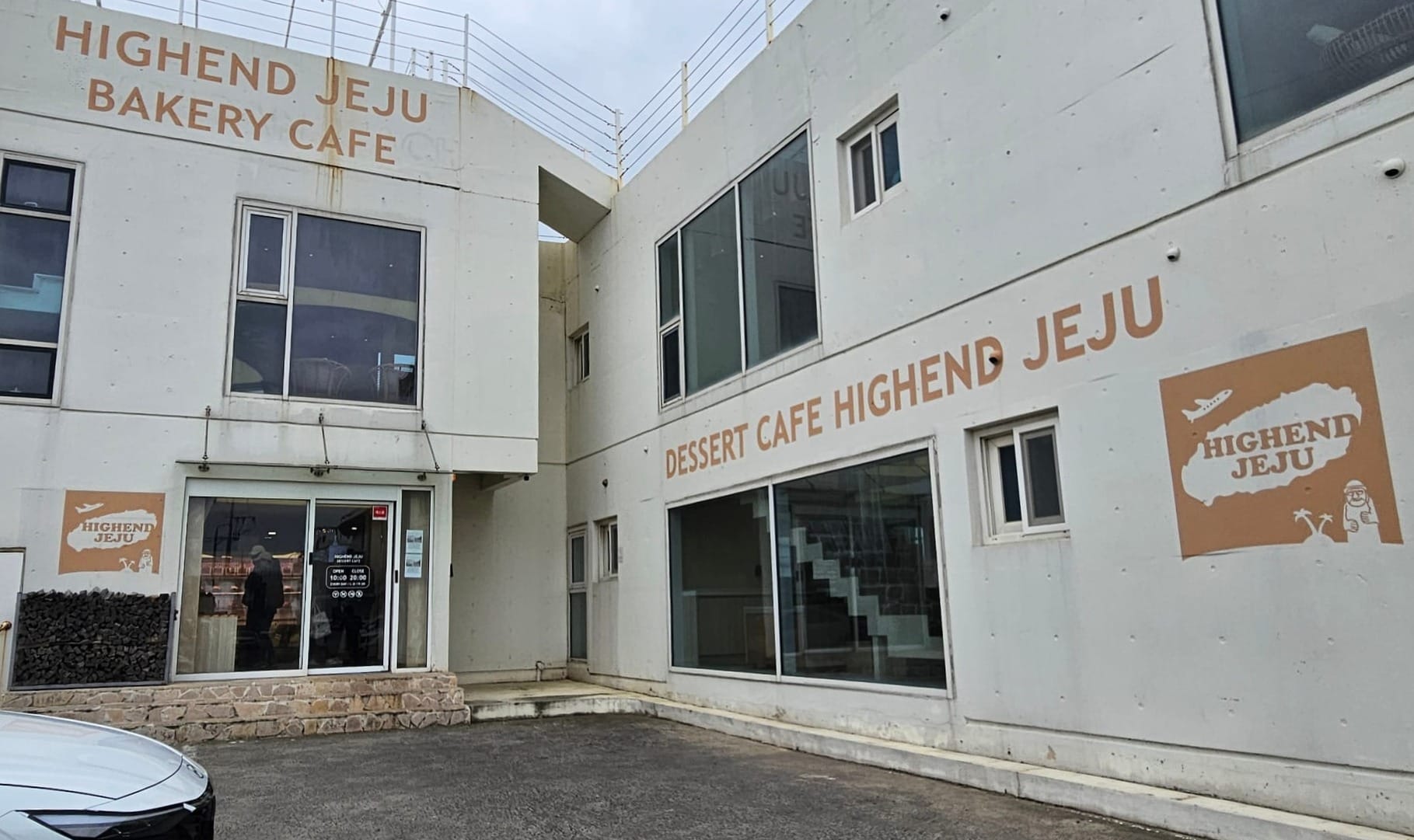
Moving over to the western coast, Highend Jeju represents one of the premier properties fronting the island's famous coastal cafe culture. Situated directly on the bustling Aewol Cafe Street, it makes an immediate impression.
Upon entering the cafe, visitors are greeted by rows of freshly baked goods and highly aesthetic desserts lining the entrance. While the artisanal drink menu is somewhat limited, each item is presented with immense visual flair that complements the waterfront setting. We mainly sampled the baked selection, which included the highly on-trend salt bun.
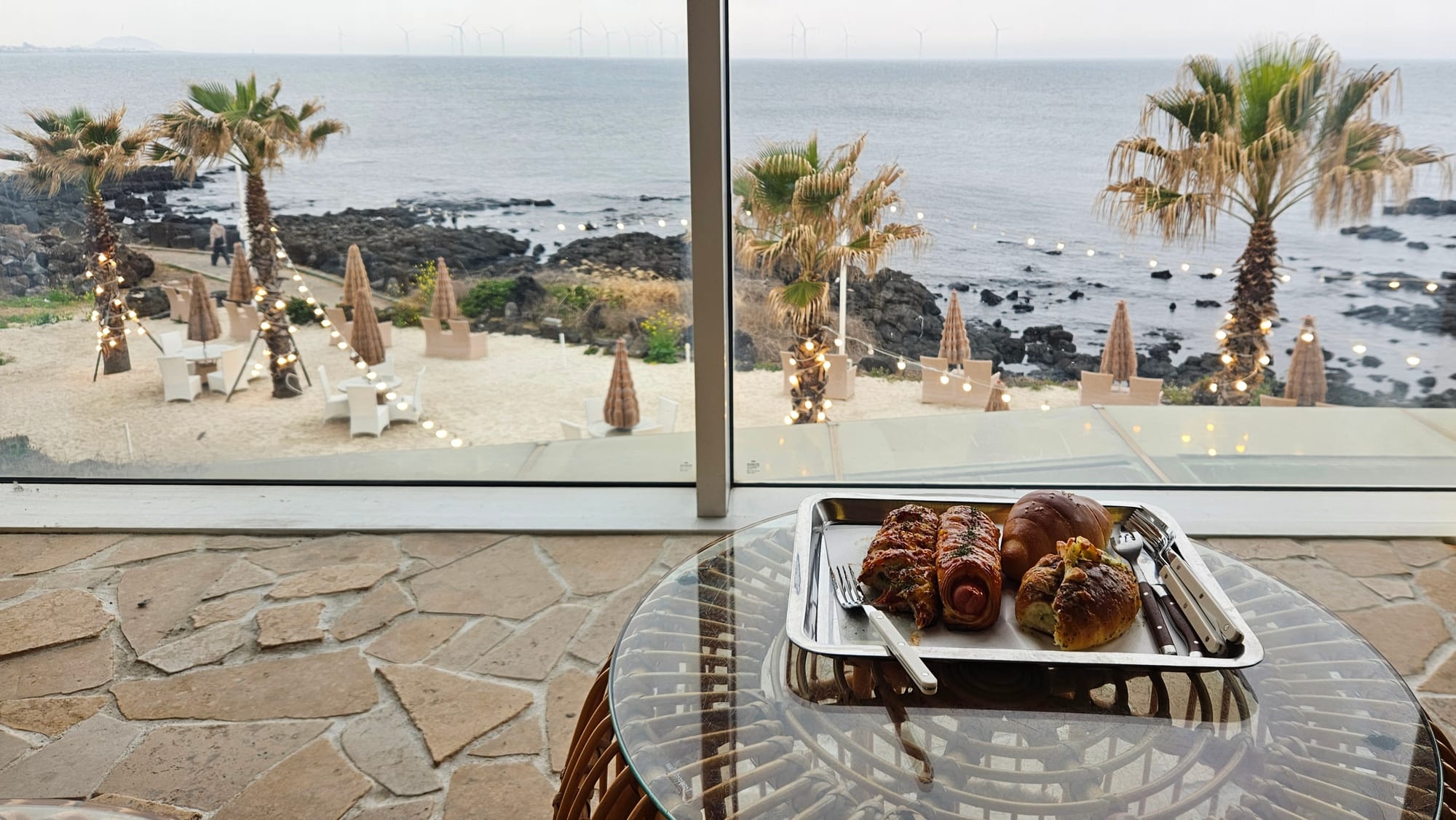
The architecture of the cafe is generous, spanning a spacious two-floor indoor seating layout alongside an outdoor garden area that connects directly to the local coastal trail. Expansive floor-to-ceiling windows offer a spectacular, unobstructed view of the ocean from indoors, while the outdoor garden is decorated with fairy lights and palm trees, making it a highly popular spot for travel photography. Logistics here are straightforward, as a handful of free parking spaces sit directly outside the cafe, backed up by an alternative paid parking lot nearby.
Dining: Eunhye Jeonbok
Rating 7.7/10
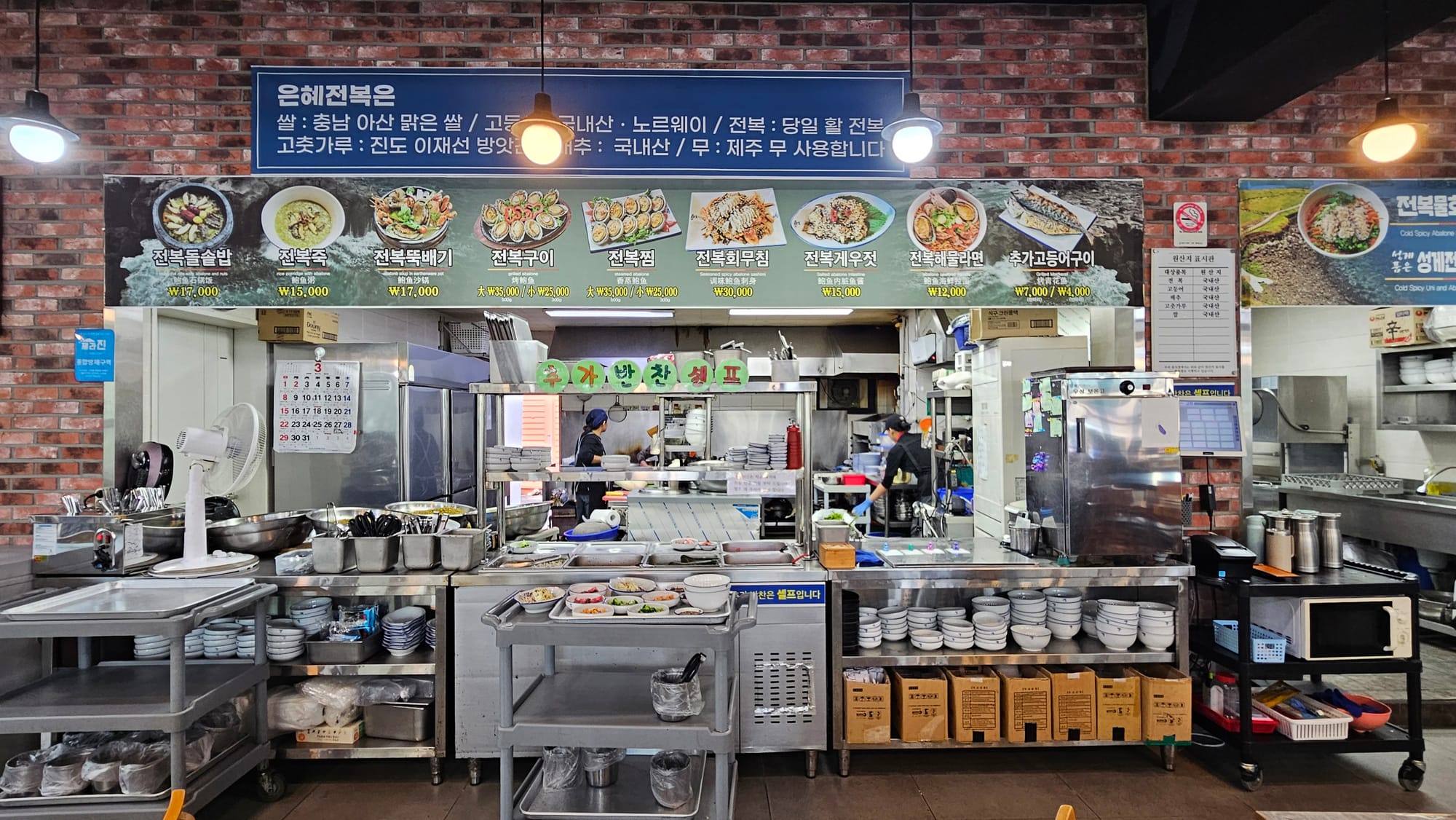
Located right at the entrance to the Handam Coastal Trail in Aewol, Eunhye Jeonbok is widely recognized for its authentic abalone-based cuisine. Deeply rooted in the island's regional heritage, Eunhye Jeonbok pays homage to Jeju's legendary haenyeo (female divers) through traditional dishes that showcase the local oceanic bounty.
The menu serves as an extensive showcase of diverse abalone preparations. We ordered the signature dishes, which include a hearty, satisfying abalone porridge and a fragrant abalone hot stone pot rice topped with generously sliced abalone. The seafood ramyeon was equally flavor-packed, arriving stuffed with fresh abalone and shrimp.
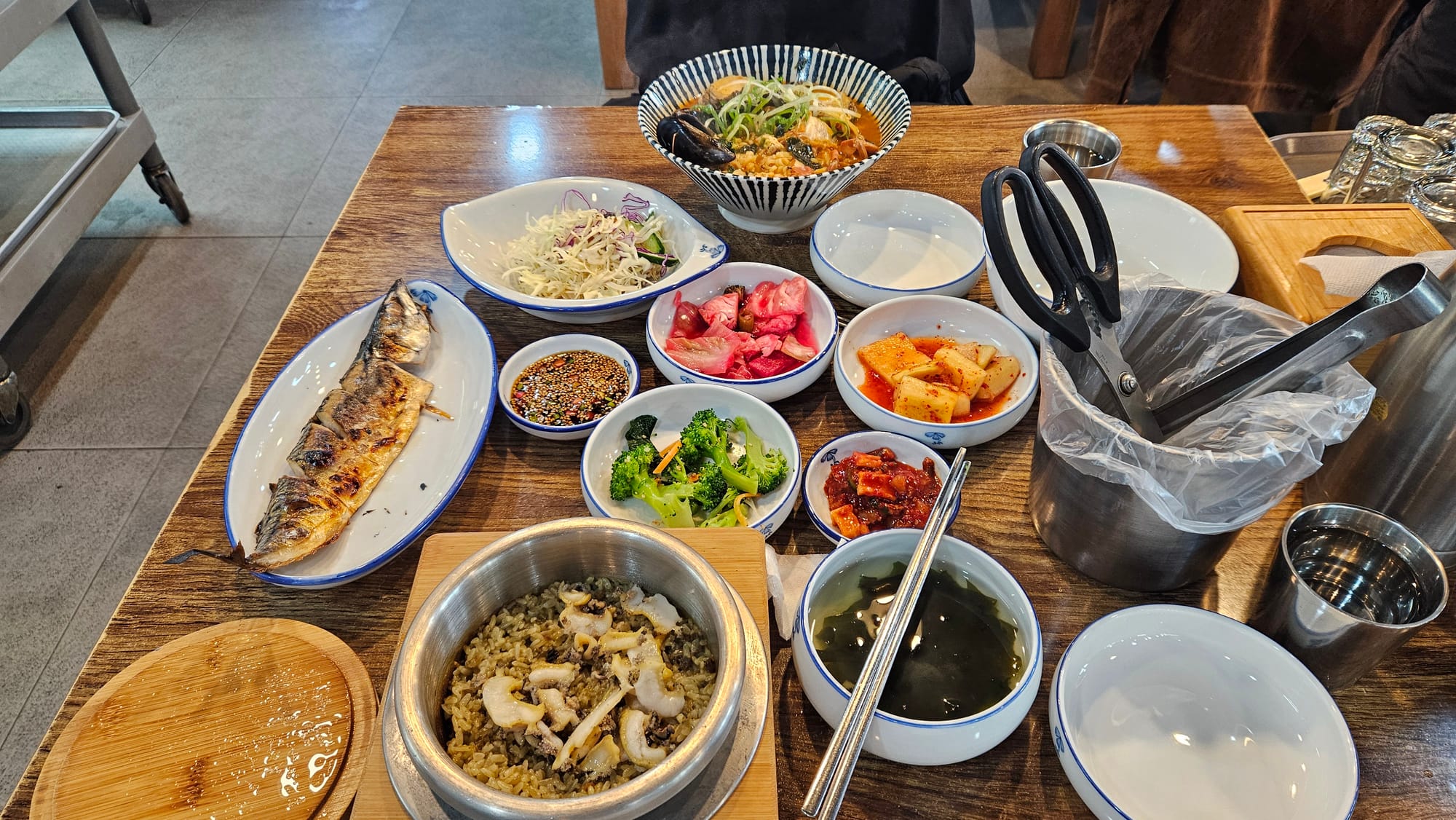
Setting itself apart from standard Korean restaurants, the establishment serves a complimentary grilled mackerel as a side dish—a bonus that enhanced the value of the meal. Eunhye Jeonbok maintains highly competitive price points, with the generous portion of abalone porridge priced around 15,000 KRW.
After dining, we highly recommend taking a relaxing stroll along Gwakji Beach and the Handam Coastal Trail to appreciate the views.
Dining: Don-Eogil
Rating 7.8/10
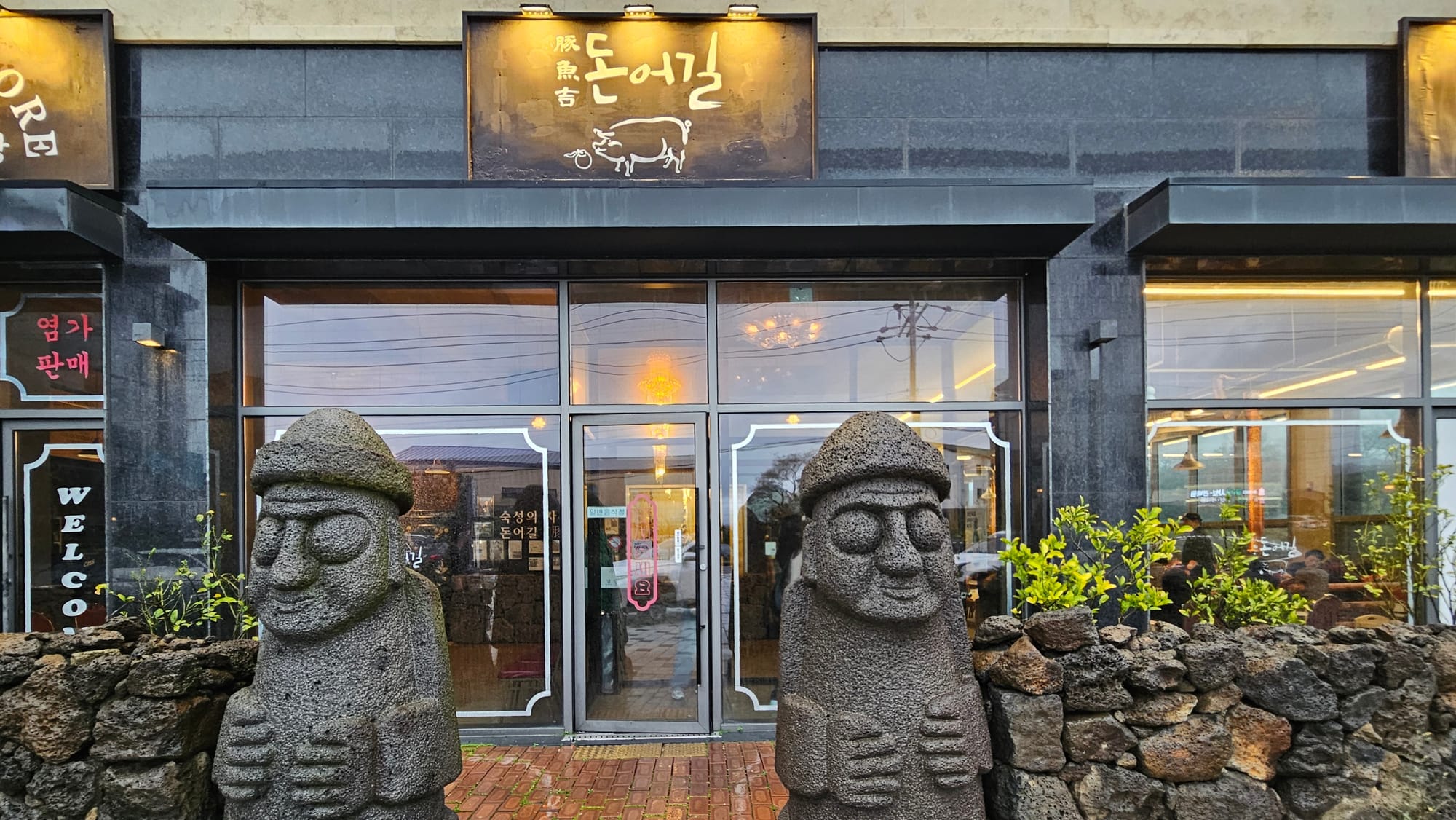
No trip to Jeju is complete without trying local pork, and Don-Eogil is a dedicated specialist in black pork BBQ. The restaurant employs a rigorous "dry-aging" and "wet-aging" philosophy to elevate both flavor and texture beyond standard BBQ offerings. We arrived slightly before peak dinnertime and were shown to our seats promptly. However, because the restaurant has limited indoor seating that fills up quickly throughout the evening, making reservations prior to visiting is recommended.
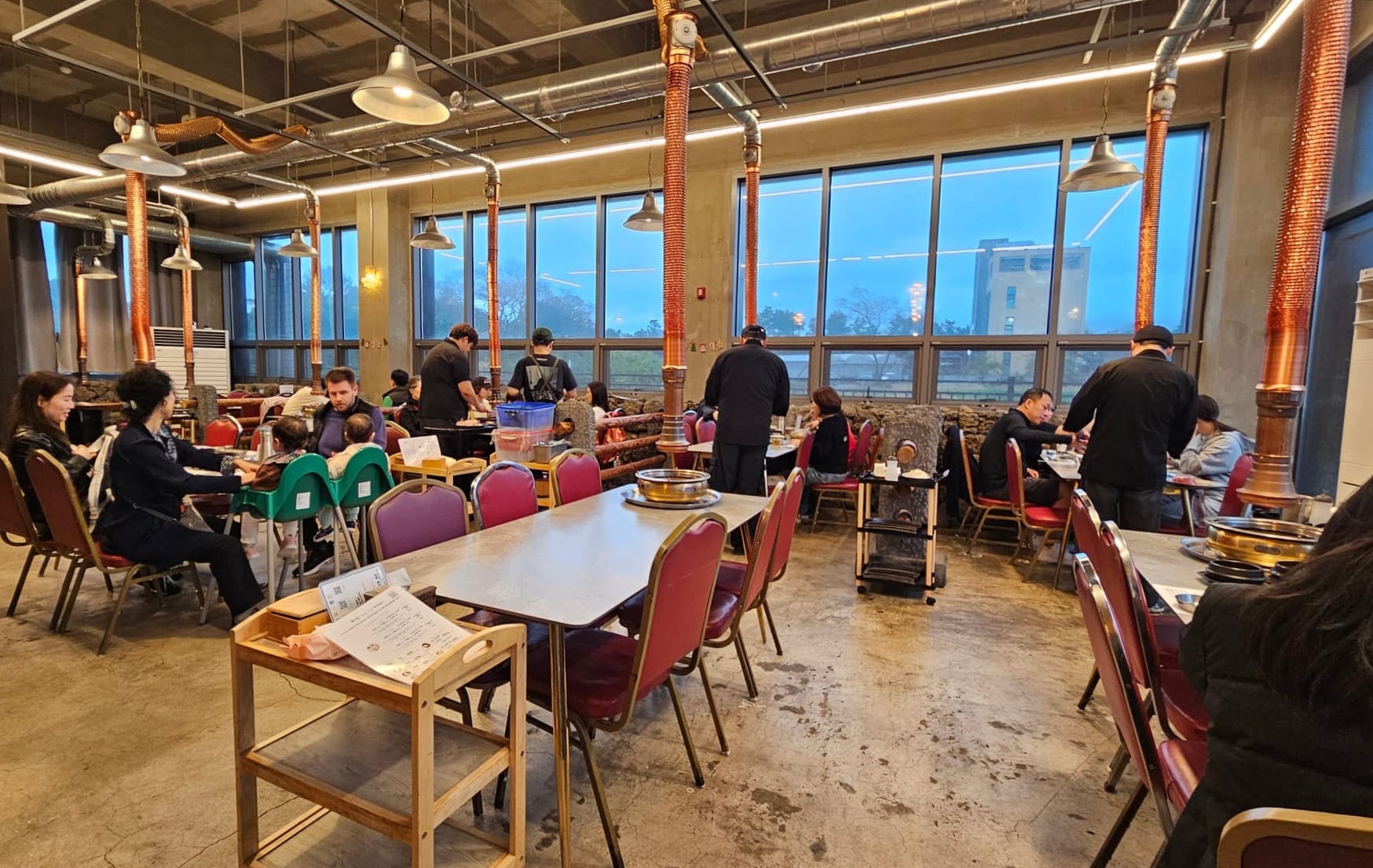
The comprehensive menu focuses entirely on premium black pork, offering specialized cuts like pork cheek and marinated skirt meat. The absolute standouts are the 21-Day Aged Jeju Black Pork Belly and the 14-Day Aged Pork Shoulder, which are reasonably priced around 18,000 to 19,000 KRW. To complement the proteins, the kitchen also offers side dishes like abalone rice soup and garlic rice.
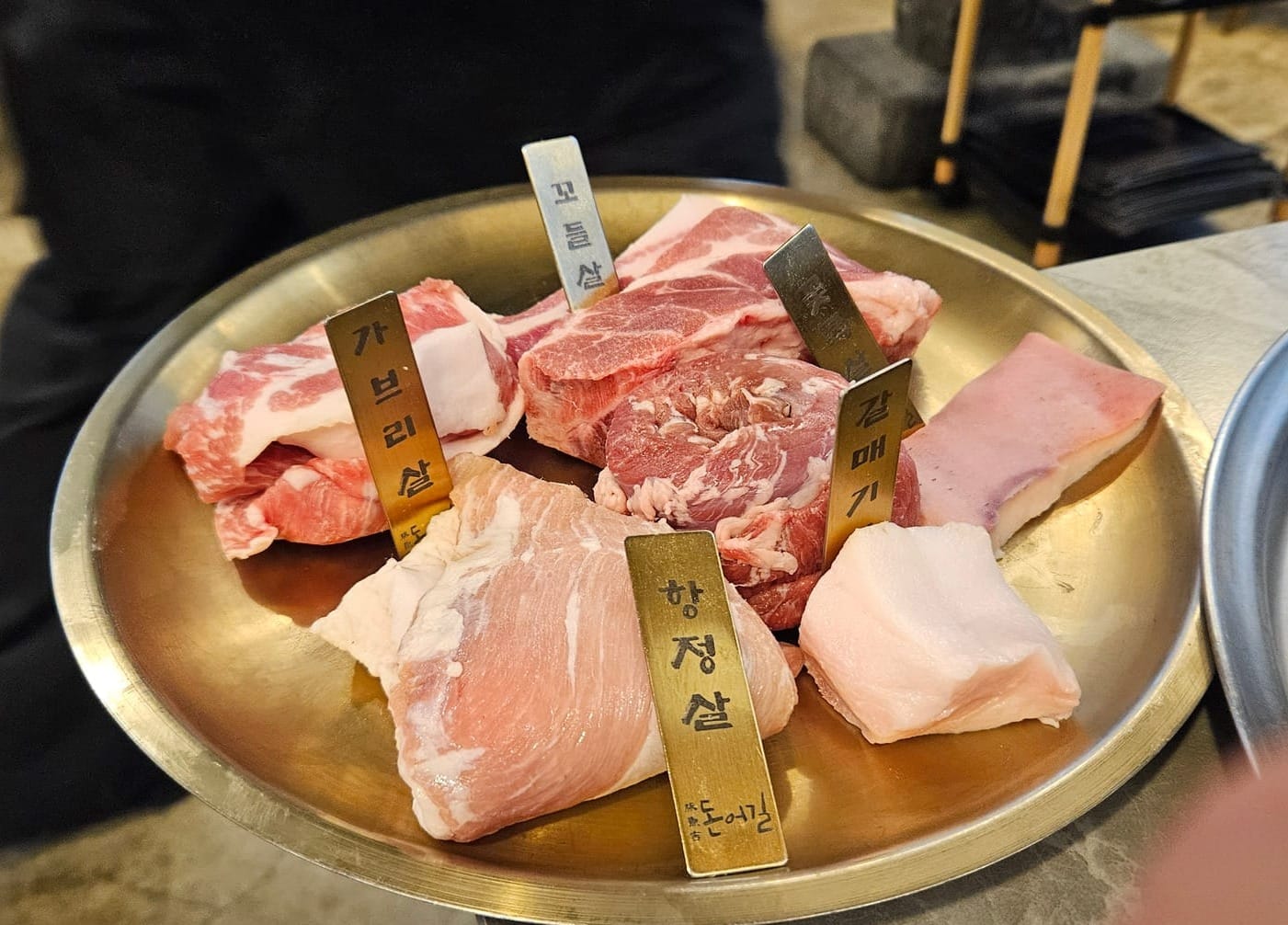
Service is attentive and the staff manages the entire grilling process at your table to ensure the aged meat is cooked to its ideal temperature. The resulting meats were incredibly juicy and tender, serving as a testament to the intrinsic quality of the aging process. Additionally, the simple garlic rice surprised us by being immensely palatable and flavorful.
Dining: Goto Coffeebar
Rating 8.2/10
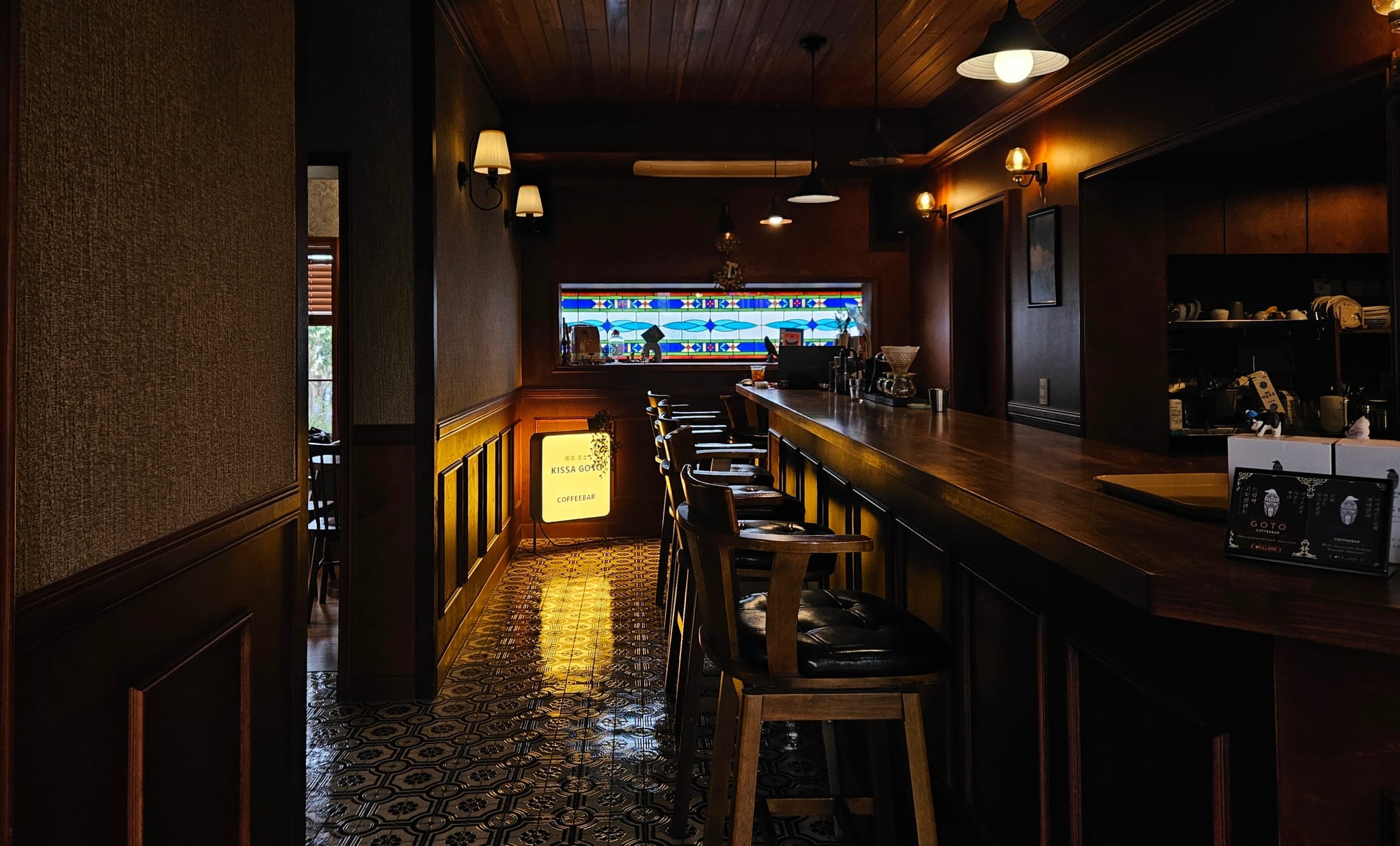
Tucked away in the Gueom-ri neighborhood of Aewol, Goto Coffeebar is housed in a meticulously remodeled traditional home that preserves authentic Jeju charm. Surrounding the cafe is a small outdoor garden featuring a single, prominent quince tree, which contributes to the calm and serene atmosphere.
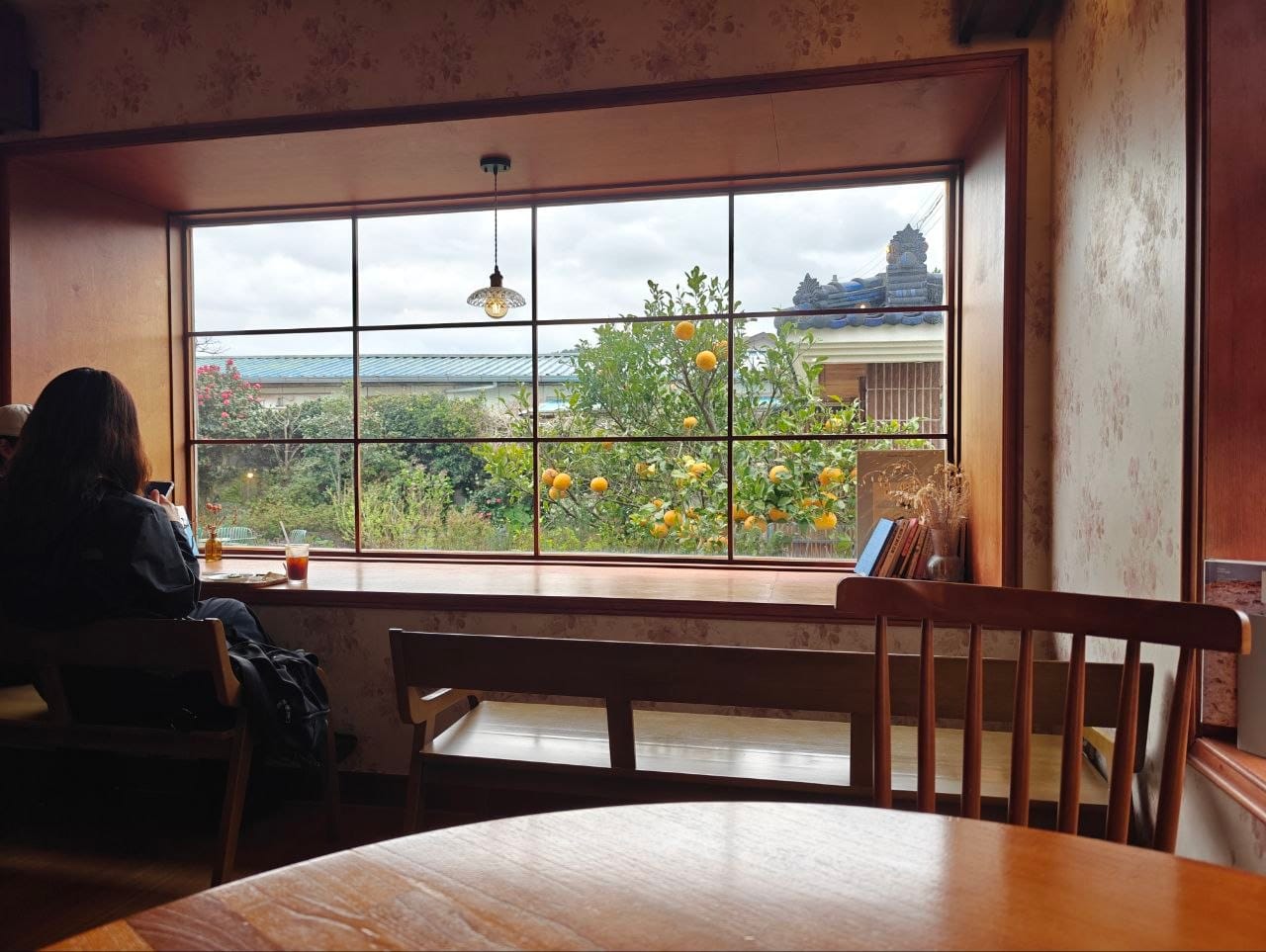
Stepping across the threshold, visitors are greeted by a sophisticated, antique-filled interior anchored by stunning stained glass. Seating options are spread across two separate rooms, each curated with distinct antique props and furniture.
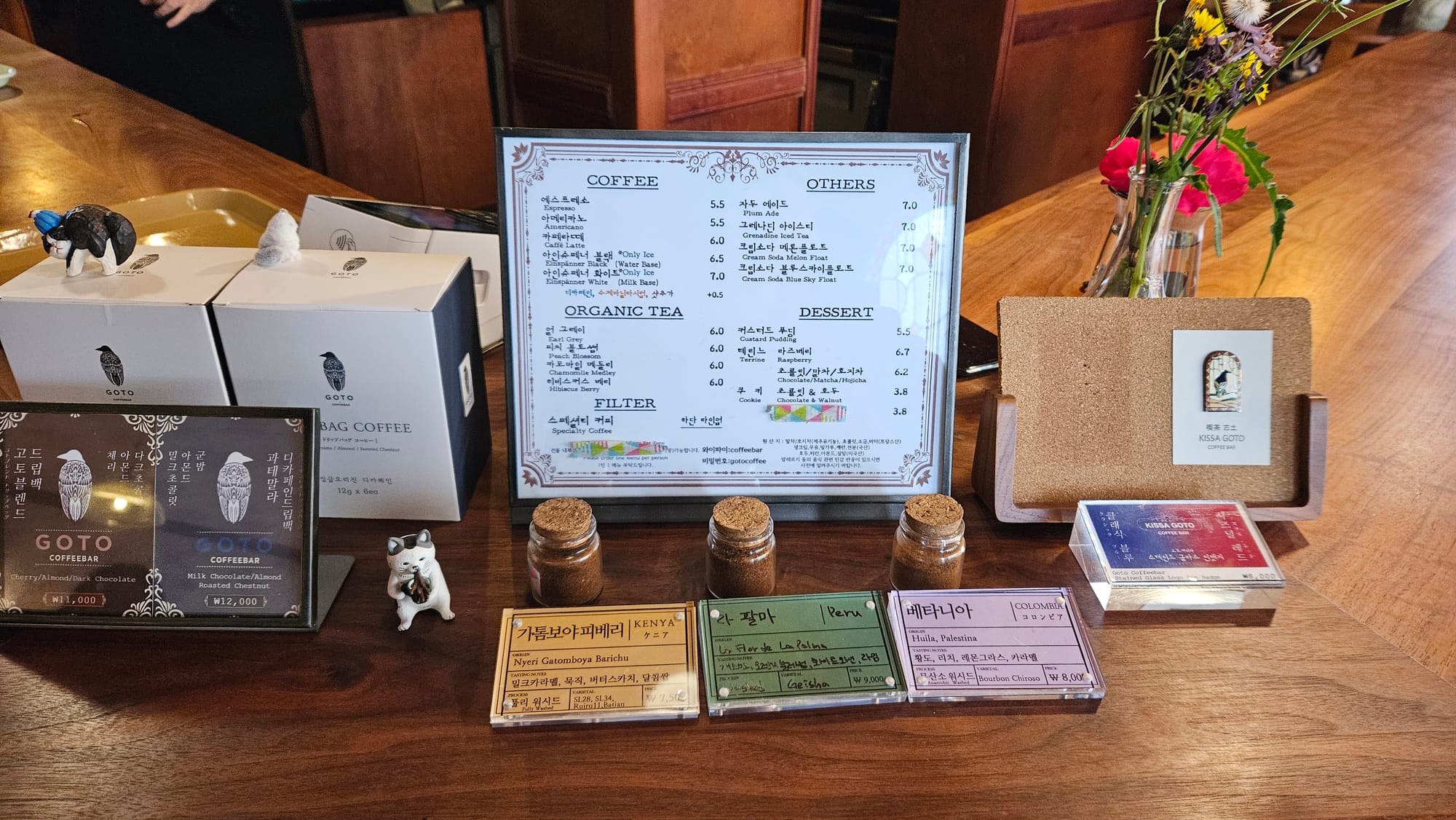
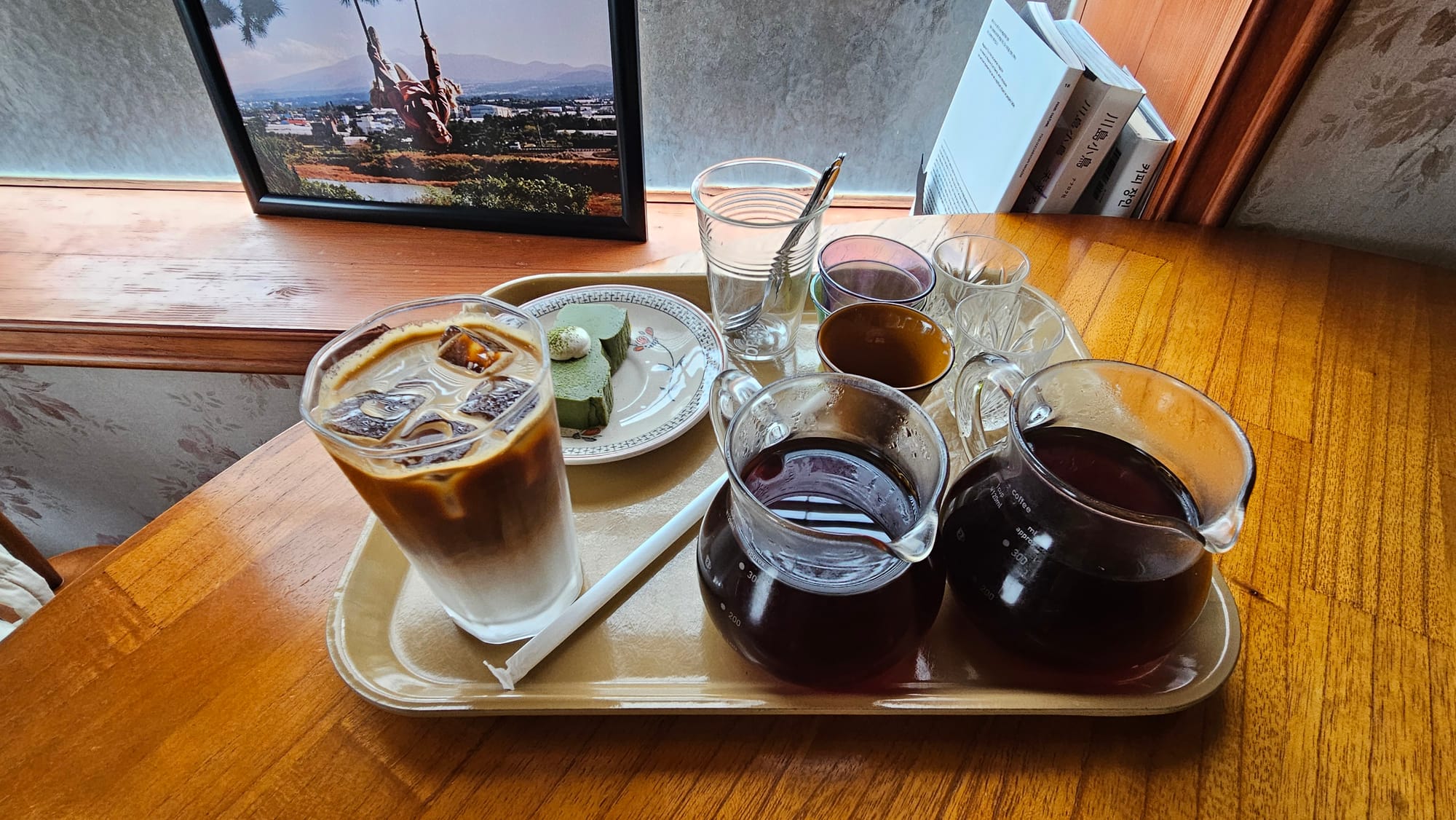
The core of the menu at Goto Coffeebar revolves around artisan hand-drip and filter coffee, with a bean selection that changes regularly to reflect the best available harvests of the season. During our visit, three distinct single-origin beans were available, each skillfully brewed to bring out delicate, nuanced flavor profiles. Apart from their exceptional beverages, unique desserts are a major feature here, including a rich, decadent Matcha Terrine boasting a deep, concentrated flavor.
Dining: Dan So
Rating 8.6/10
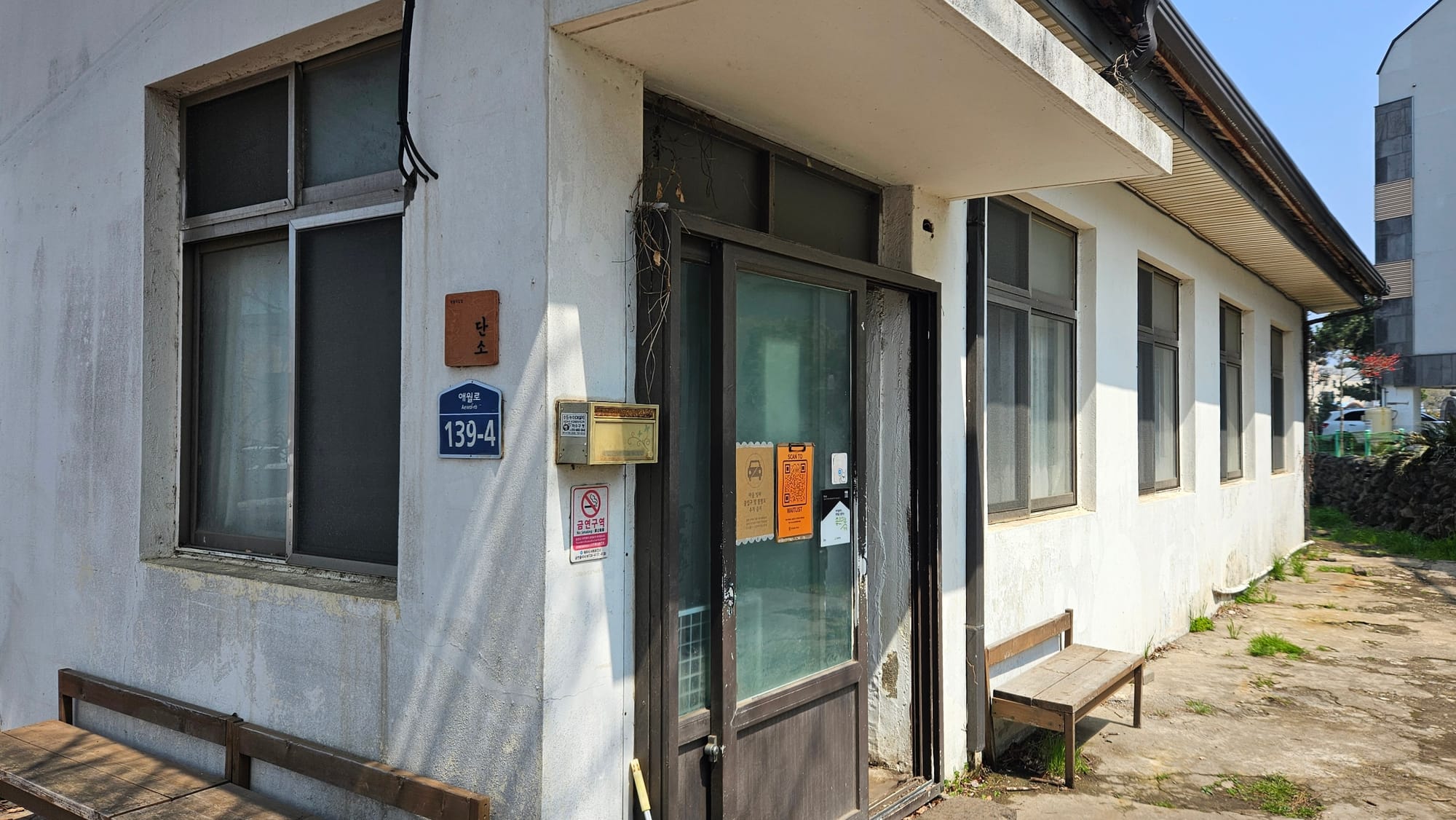
Also situated in a traditional-style building, Dan So is a unique restaurant offering a modern take on the concept of Korean homestyle dining. True to its intimate philosophy, entering the dining room feels like stepping into the familiar warmth of a relative’s home. The restaurant operates on a unique 17,000 KRW "all-you-can-eat" model featuring just one single, daily rotating set meal, providing exceptional value alongside traditional flavors.
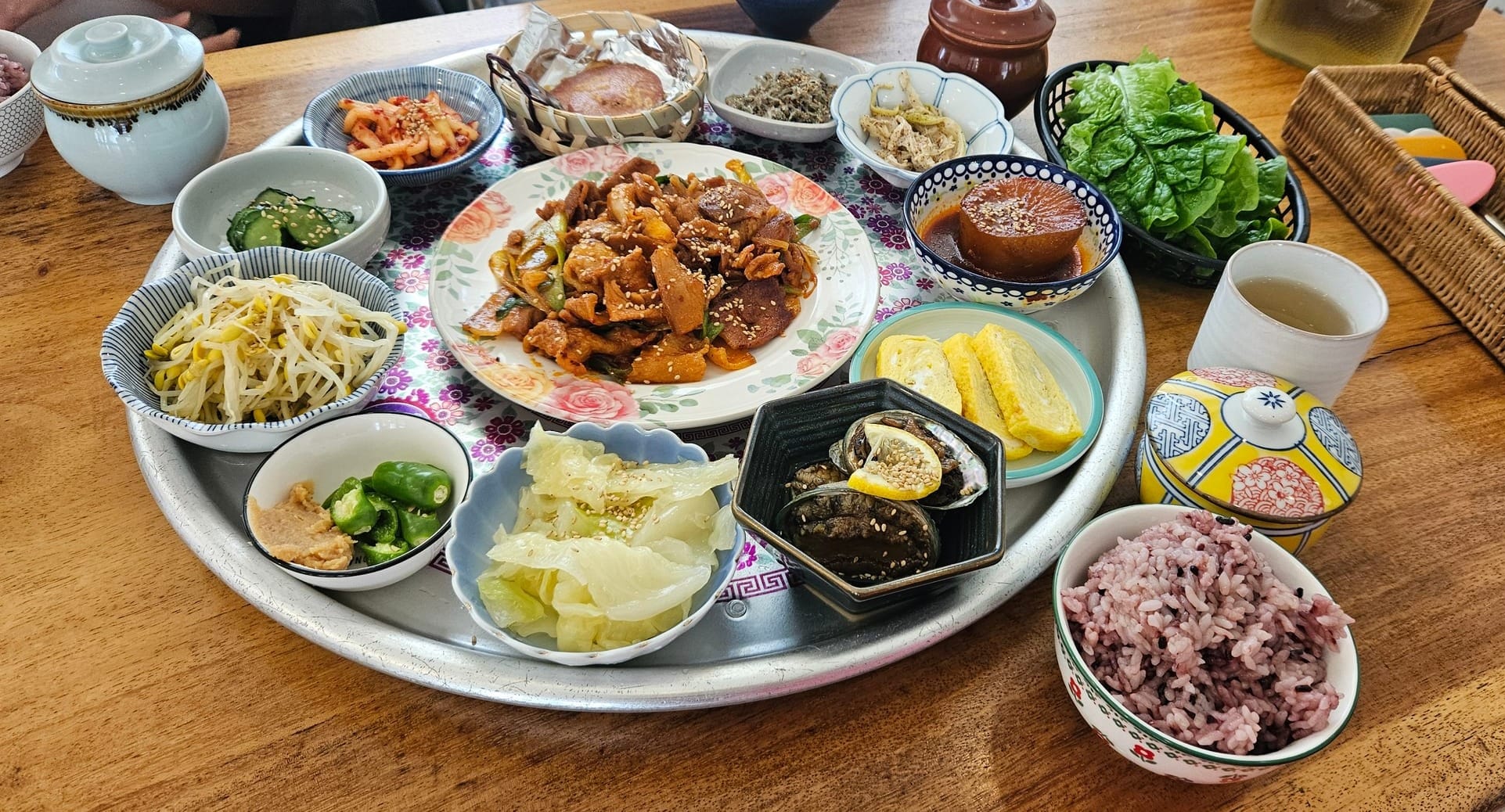
Typically, the set of the day centers around a savory Jeju black pork stir-fry, which was the main highlight during our visit. The accompanying side dishes are seasonal and change daily, ensuring that every meal reflects the freshest ingredients sourced directly from local markets. Apart from the fresh abalone—for which refills are limited to once—refills are unlimited for everything else on the table. The set meal also includes a nutritious purple grain rice that complements the main dishes perfectly.
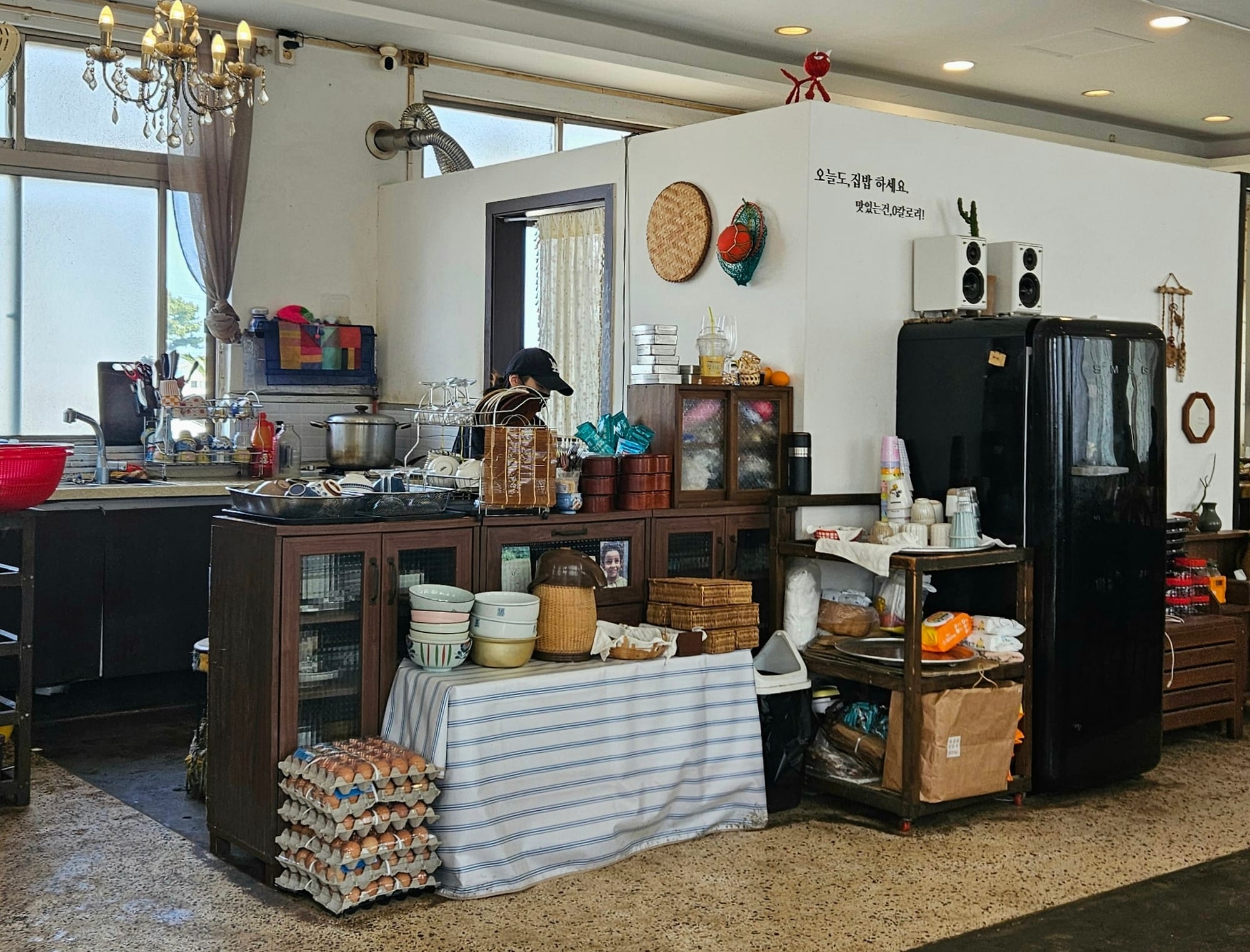
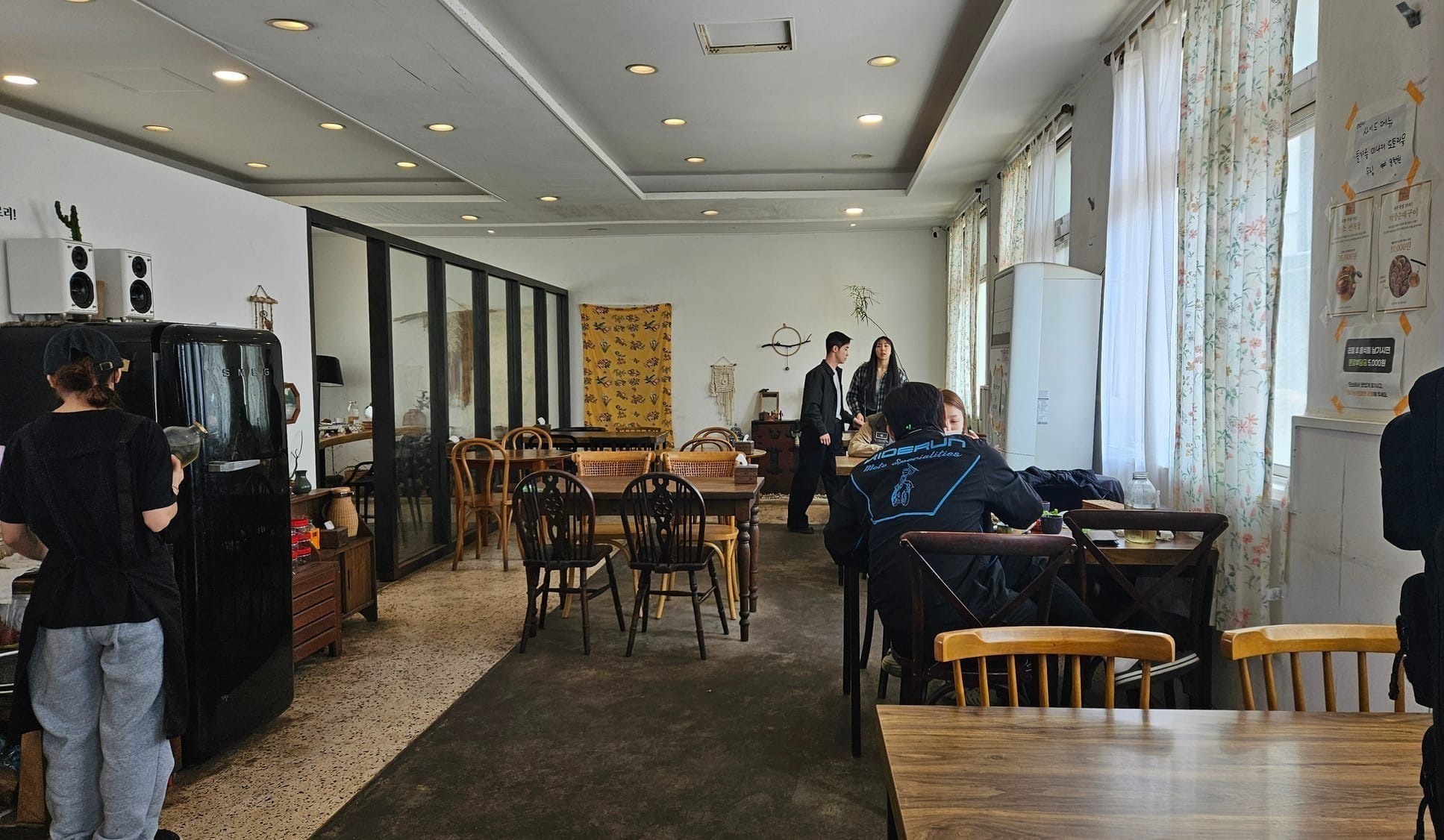
Travelers should note that Dan So operates exclusively during lunch hours from 11:00 AM to 4:00 PM daily. The crowds are predominantly local, and the service staff are more comfortable conversing in Korean, adding a wonderful layer of localized authenticity to the experience. We recommend a visit for an authentic taste of traditional Korean hospitality.
Activity: Cherry blossoms and canola flowers
Rating 8.5/10
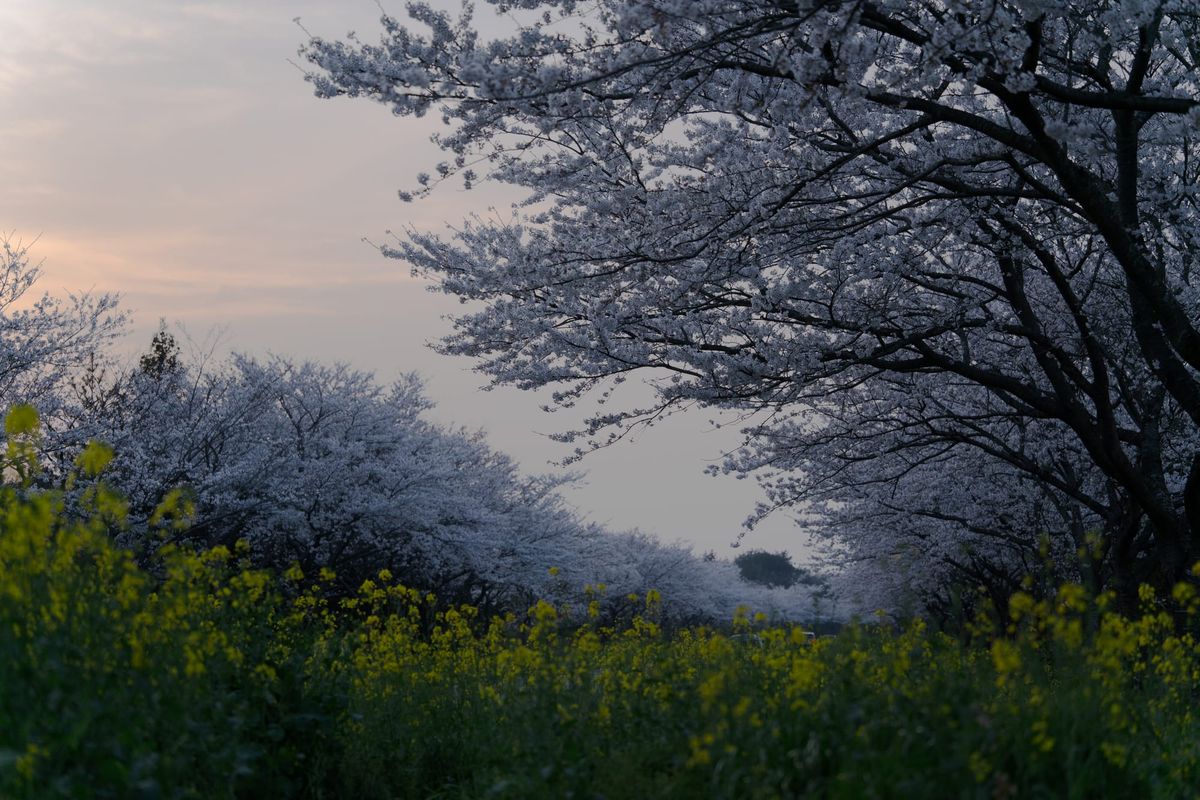
The pursuit of spring cherry blossoms on Jeju Island is fundamentally different from the experience in mainland hubs like Seoul or Busan due to the presence of the indigenous King Cherry Tree. These majestic trees are distinguished by their larger, more robust petals and a noticeably more vibrant pink-white hue. When we arrived in late March, the trees were just beginning their annual bloom.
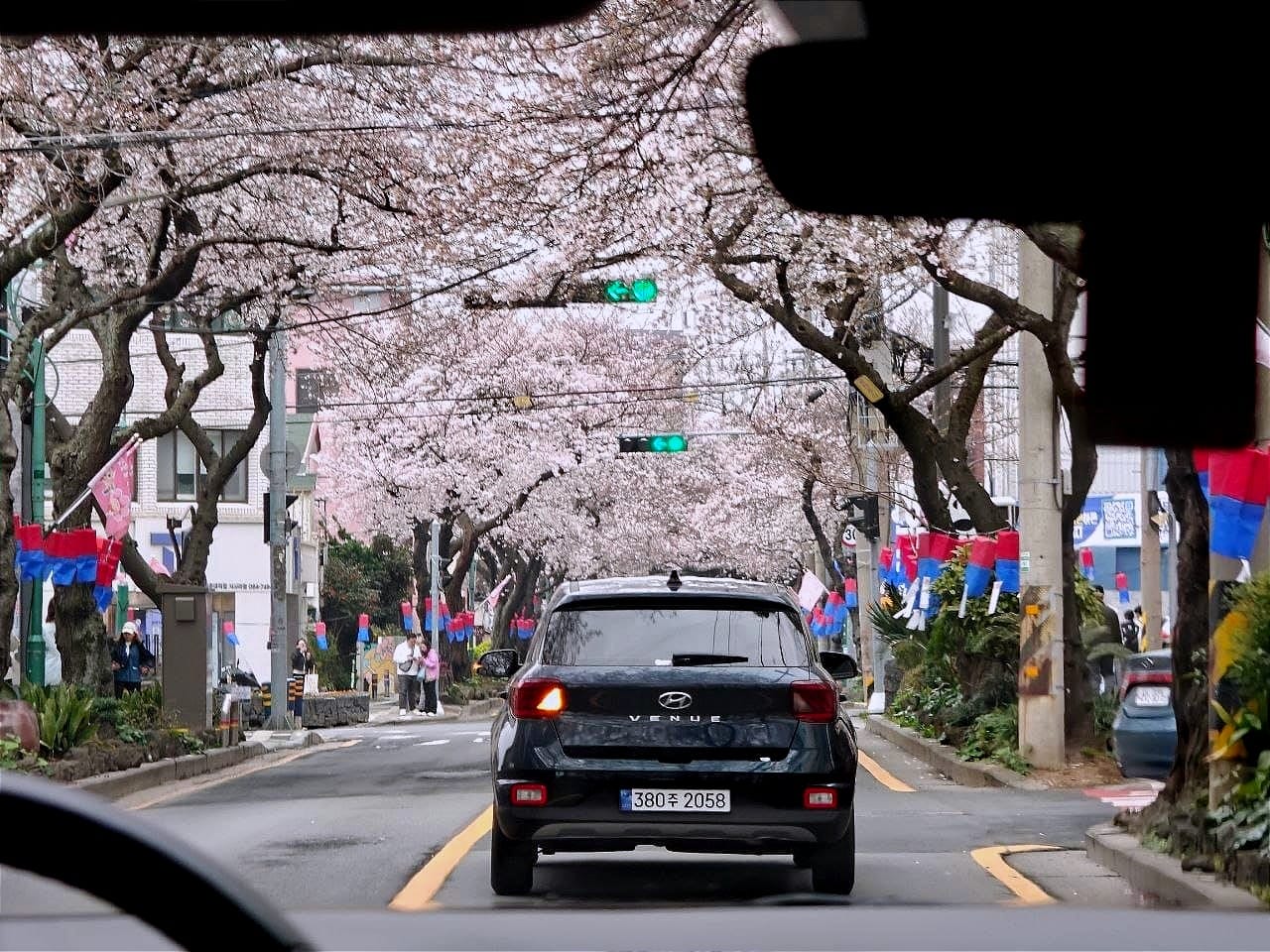
The urban epicenter of this floral phenomenon is Jeonnong-ro, a historic street in the heart of Jeju City that transforms into a 1.2-kilometer canopy of blossoms. Iconic to the road are the traditional red and blue lanterns strung along the branches, adding a brilliant pop of color to photos. We decided to visit early in the morning and were treated to a peaceful, quiet street devoid of large tourist crowds. For those who happen to time their visit with the official Jeju Cherry Blossom Festival, this entire road is closed to vehicle traffic, allowing pedestrians to walk freely under a canopy of 1,700 ancient trees, some of which are over a century old.
Another stunning species in full bloom during the spring season is the yellow Canola flower. Canola is perhaps the most enduring symbol of spring on Jeju Island due to its remarkably long blooming season, stretching from late February through late April. Driving along the island in late March, we encountered many vast fields blanketed with these beautiful yellow blooms. One such field is the Sanbangsan fields, where a massive, dome-shaped volcanic rock provides a staggering contrast to the delicate yellow carpets stretching below. Because the fields surrounding Sanbangsan are privately owned farmland, visitors are charged a modest entry fee of 1,000 KRW for photography privileges.
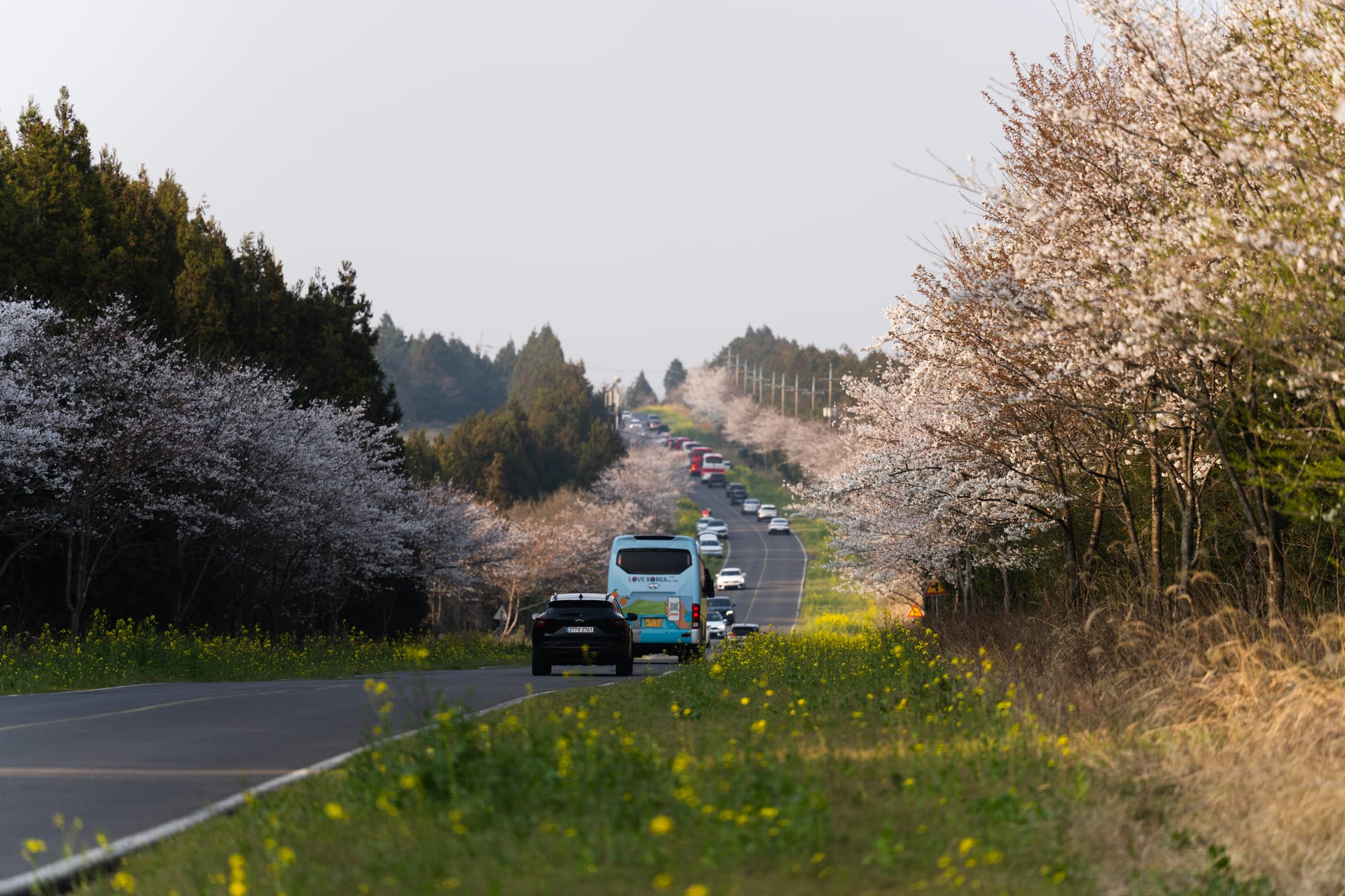
To view both cherry blossoms and canola flowers simultaneously, we highly recommend heading to Noksan-ro in Gasiri village, often cited as one of the "100 Most Beautiful Roads in Korea". Stretching for 10 kilometers, the highway offers a dual-layered floral experience, with pale pink cherry blossoms blooming overhead while bright yellow canola fields line the roadside below. At the far end of the road stand several massive industrial windmills, adding a touch of grandeur to the landscape. This was a true highlight of our itinerary, particularly as we arrived at sunset to view the flowers against a dramatic backdrop of pink and orange hues.
Activity: Seongsan Ilchulbong (Sunrise Peak)
Rating 7.7/10
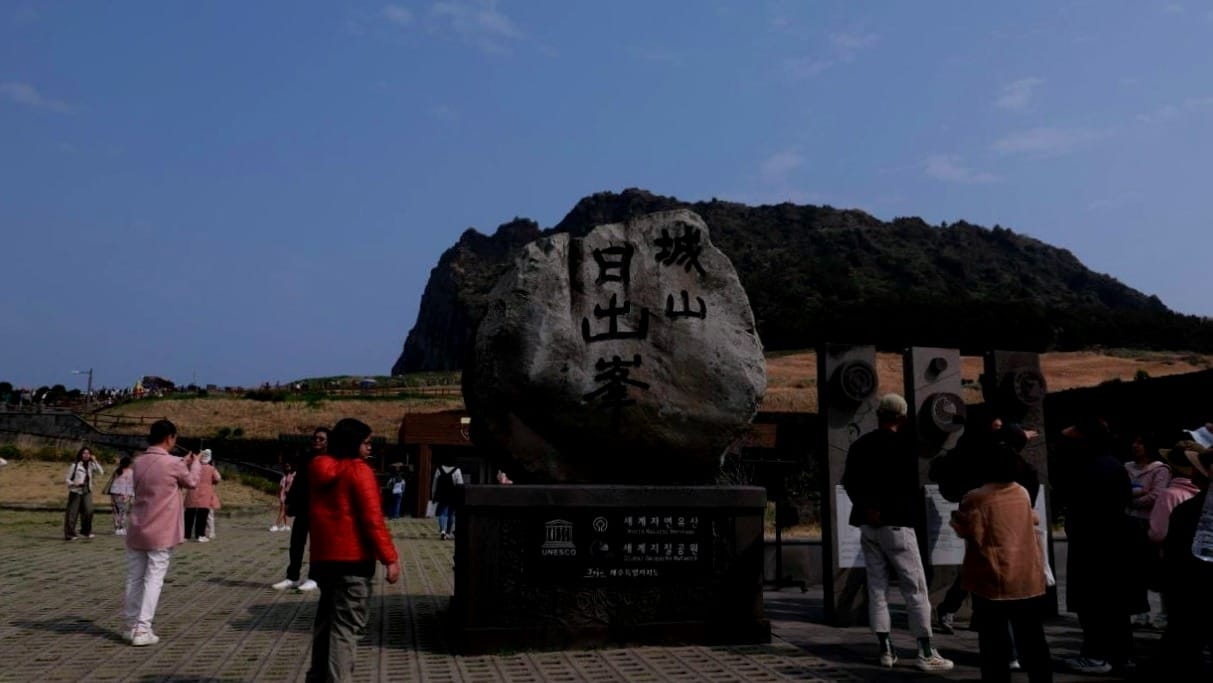
Seongsan Ilchulbong, also known as "Sunrise Peak," is a UNESCO World Natural Heritage site and arguably the most recognizable natural landmark on Jeju Island. And because of this, this attraction is very touristy and unlike the other parts of the island where you will not meet that many other tourists at one spot.
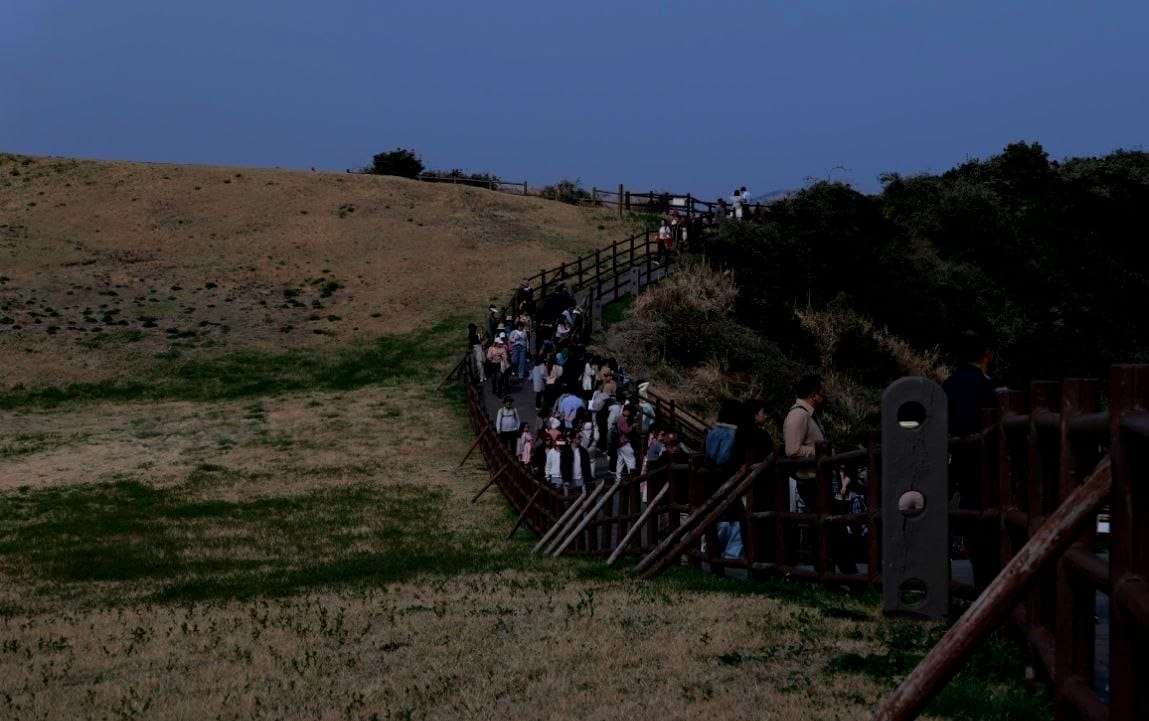
The main ascent to the summit is considered family-friendly, consisting entirely of well-maintained wooden stairs, though it can still prove physically demanding due to the constant steepness. The entrance fee is a modest 5,000 KRW for adults and 2,500 KRW for children. If you prefer a less strenuous experience, there is a separate, dedicated "free path" that offers magnificent views of the surrounding cliffs and ocean without requiring the steep climb to the summit.
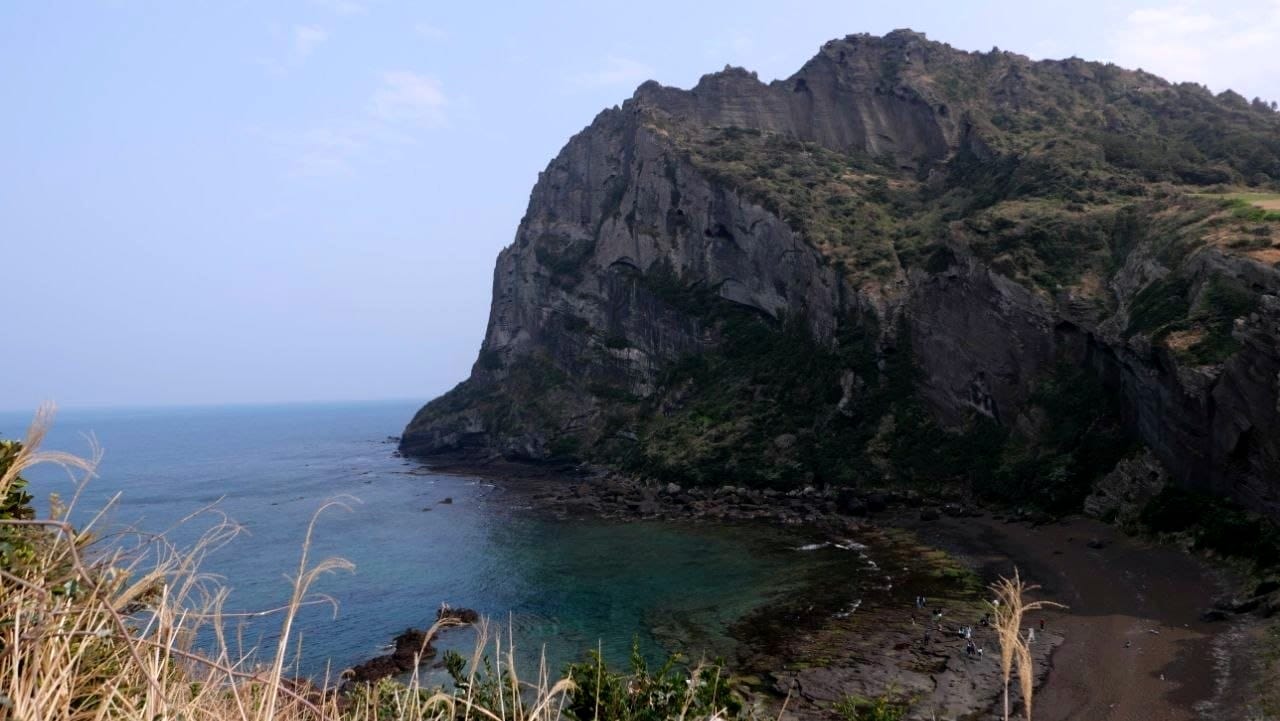
We opted for the free path and were treated to spectacular coastal views. Unfortunately, by the time we arrived, we had just missed the daily haenyeo performance, which features traditional folk songs and live diving demonstrations by Jeju’s legendary female sea divers. These cultural performances take place daily at 1:30 PM and 3:00 PM.
Activity: ARTE Museum
Rating 7.8/10
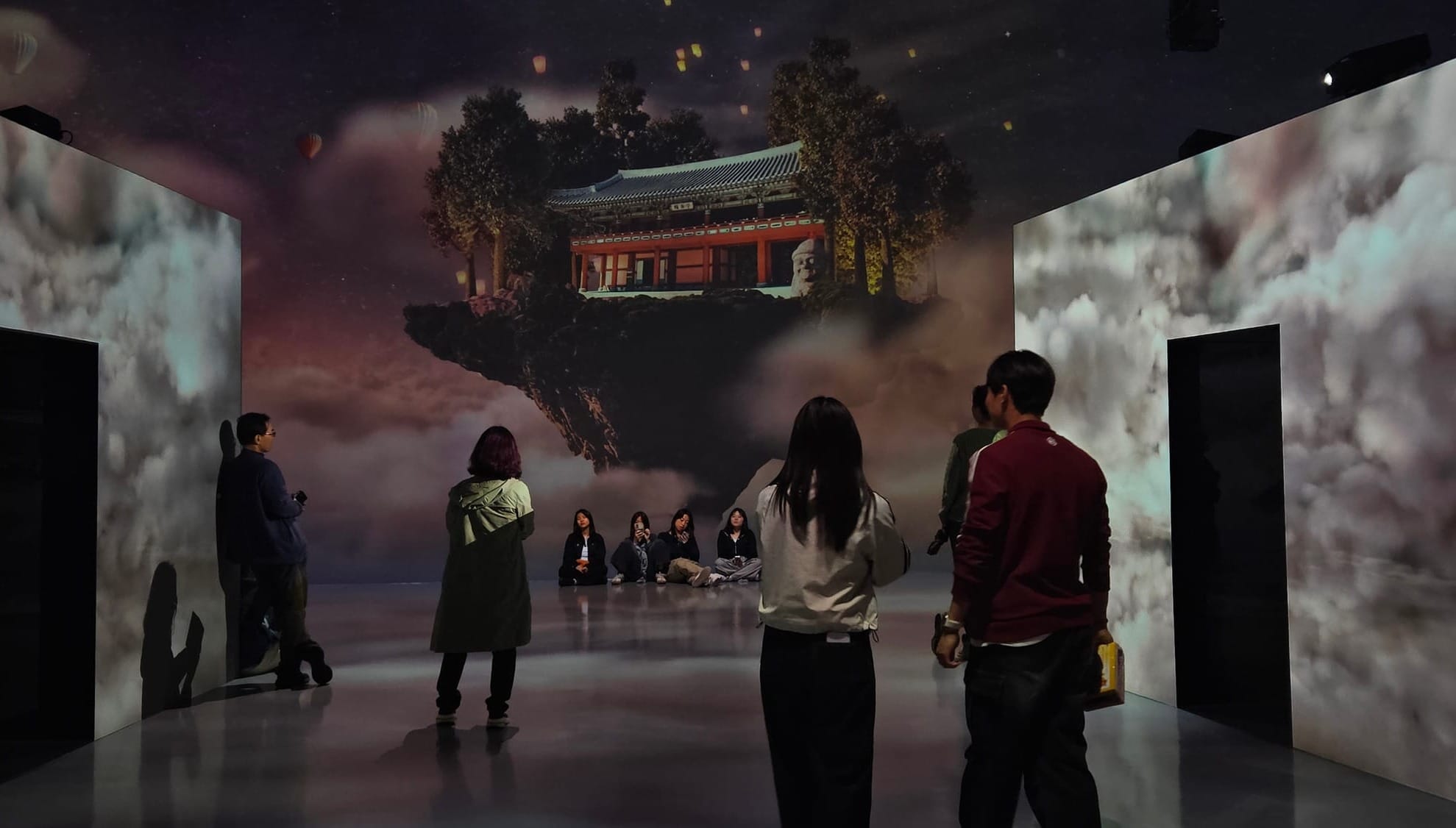
Given that the weather can be highly unpredictable on Jeju Island, we included this attraction as a wet weather plan since many top Jeju activities are outdoors. Established by digital design firm d'strict in late 2020 as their first permanent immersive media art museum, ARTE occupies a former industrial space that once operated as a speaker manufacturing factory.
Driving to the museum is highly convenient, thanks to a dedicated, complimentary parking lot located right outside the main entrance. However, travelers should note that the venue can become quite crowded during rainy days due to the relatively limited number of major indoor activities available on the island.
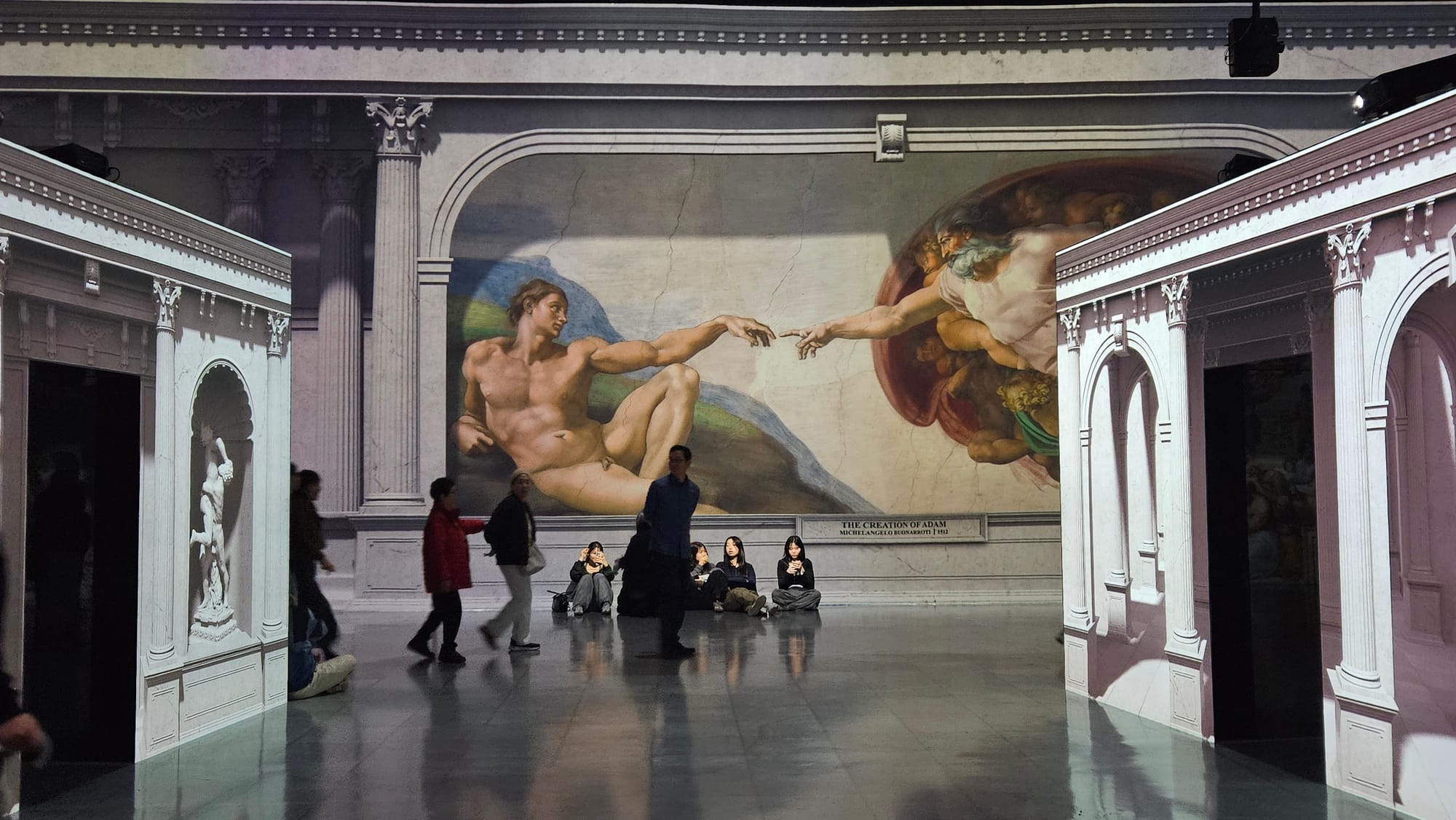
The museum’s overarching creative theme, "Eternal Nature," is interpreted through multiple distinct digital installation rooms. These galleries utilize advanced projection mapping, complex mirror arrays, and custom scents to fully immerse visitors in a digital nature that transcends physical space and time. The highlight of the exhibition is the "Garden," the museum's largest installation room. It presents mesmerizing 20-minute visual cycles that range from Western art history masterpieces to traditional Korean folk art, all synchronized to a powerful soundscape.
Jeju Island remains an exceptionally dynamic destination that bridges pristine natural beauty with contemporary lifestyle spaces. Navigating the island by car is no doubt the most convenient way, unlocking everything from the historic, flower-lined streets of Jeju City to the serene coastal trails of Aewol.
For the seasoned traveler, Jeju’s unique combination of local traditions and sophisticated hospitality makes it well worth an intentional itinerary. For the avid cherry blossom chaser, combining Jeju Island with a follow-on trip to Seoul will increase the chances of catching peak blooms since the latter will only bloom about ten days later.