A first-timer guide to China travel
This guide reviews only the most essential applications for an independent vacation in China, moving from pre-trip planning to on-the-ground execution across accommodations, transit, dining, and daily activities.

China's digital ecosystem can seem daunting at first. However, if navigated well, it promises a seamless and highly efficient experience. Because the country relies heavily on its own network of applications, pre-configuring your smartphone before you arrive is the key to a fuss-free trip.
Having travelled to several Chinese cities in the past years, we noticed that many of the applications are getting more tourist-friendly. At the same time, local transportation options are also becoming increasingly convenient for foreigners, such as the introduction of credit card contactless payments for local metro stations in gateway cities like Beijing and Shanghai.
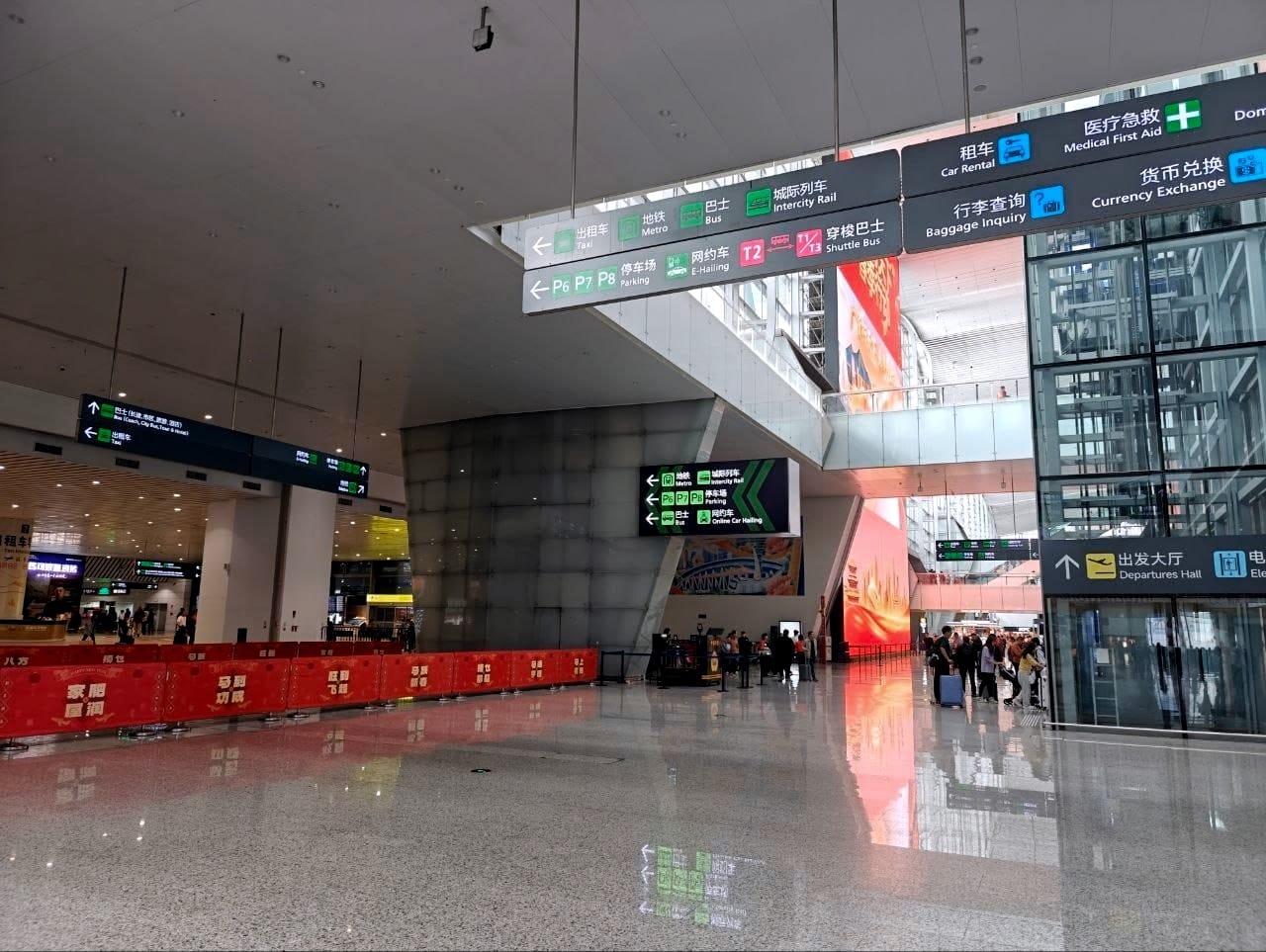
This guide reviews only the most essential applications for an independent vacation in China, moving from pre-trip planning to on-the-ground execution across accommodations, transit, dining, and daily activities. There are many specialised applications and neat tips for more localised use cases; however, those situations will fall outside the coverage of this guide. We tend to write about them in our individual trip reviews whenever relevant.
For a start, a successful trip starts with thorough research. While international platforms like Instagram, YouTube, and TikTok increasingly feature content about China, they often host generalized overviews. To find the most extensive reviews and travel guides written by locals, it could be beneficial to use the platforms they use.
Discovery: Rednote
Rednote (known natively as "Xiaohongshu") serves as a microblog where users post day-to-day life updates alongside comprehensive travel guides and hospitality reviews, making it an ideal companion for planning trips and vetting accommodations.
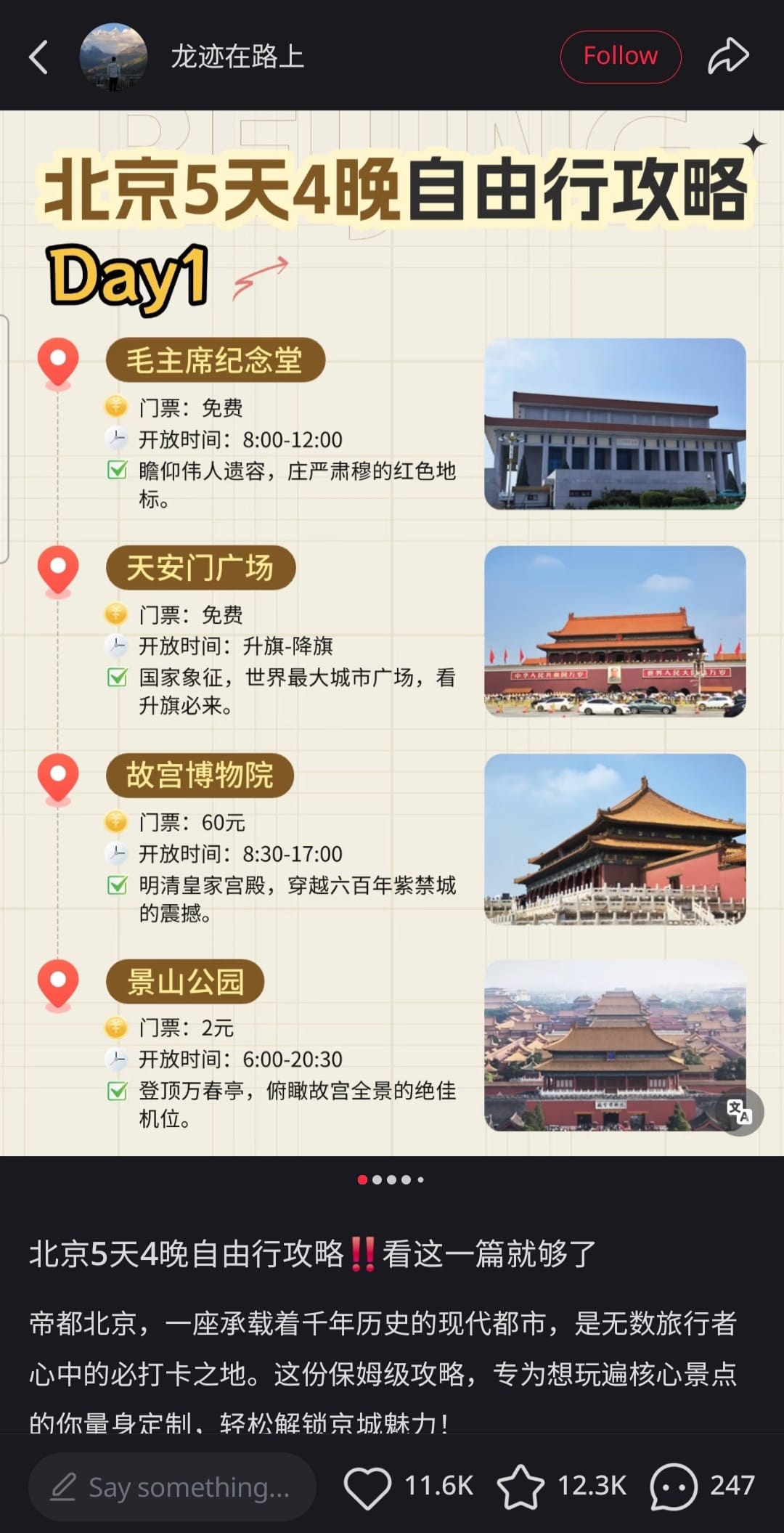
For the digitally savvy traveler, Rednote's interface takes no time to get accustomed to as it features standard functions like following creators, exploring pages and location-based nearby suggestions. To keep your itinerary organized, Rednote allows you to create customized subfolders to collect and save posts related to specific topics, functioning similarly to saved collections on Instagram or boards on Pinterest.
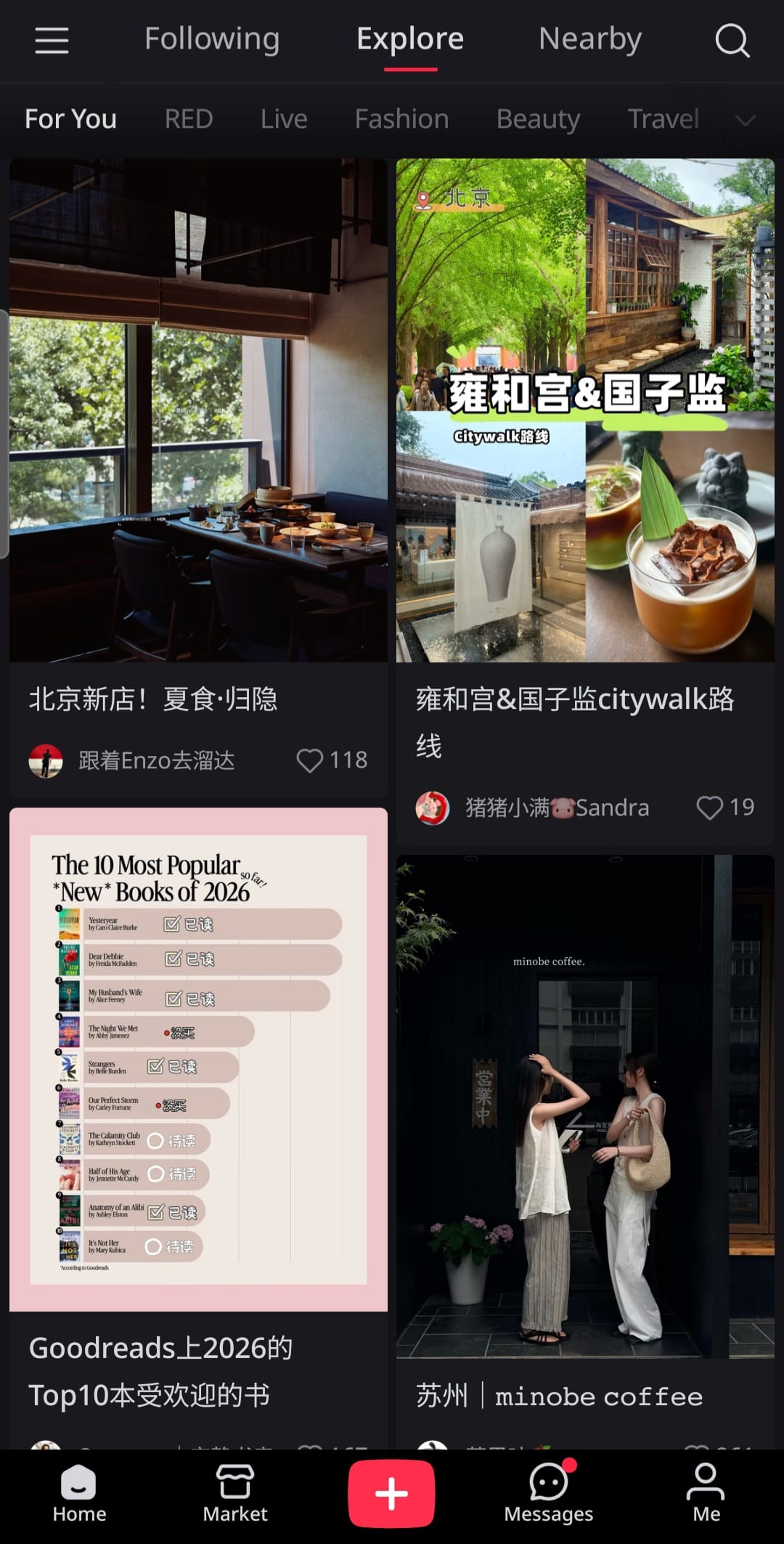
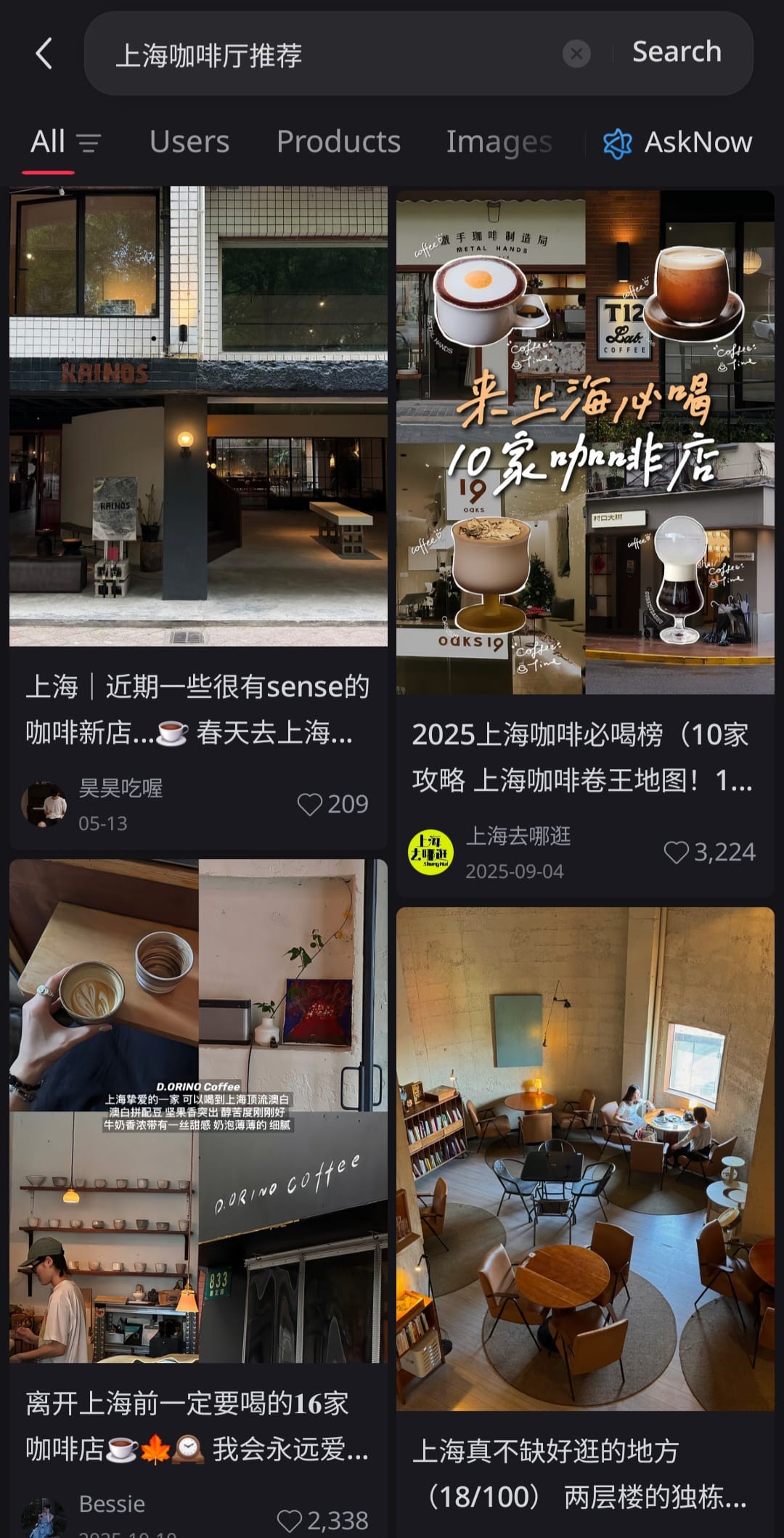
The app also features a search function to source content related to specific travel topics. Rednote is best for topical reviews such as ‘Best Cafes in Shanghai' and travel itinerary suggestions such as ‘5D4N in Beijing’ with detailed explanations on ticket prices, best time to visit and how to get there. Do note that most content posted is in Chinese. While the visuals are easy to browse, searching the platform in Chinese garners the most effective results.
SuperApp: WeChat
WeChat is the most useful application to have on hand during your trip. Think of it as a master application that hosts an arsenal of secondary applications, known as Mini Programs, directly inside its ecosystem. Without a local mobile line, accessing the local versions of standalone apps necessary for daily services can be challenging. WeChat's Mini Programs can help to overcome this problem.
More importantly, WeChat hosts an e-wallet to facilitate digital payments, which is essential as China is pretty much going completely cashless. Do set up and activate the digital wallet within WeChat before departing for China, as identity verification and linking up a foreign-issued credit card can take up to a few working days.
To access the wallet, follow this path: Go to the Me page, enter the Services section, and tap on Wallet at the top of the page.
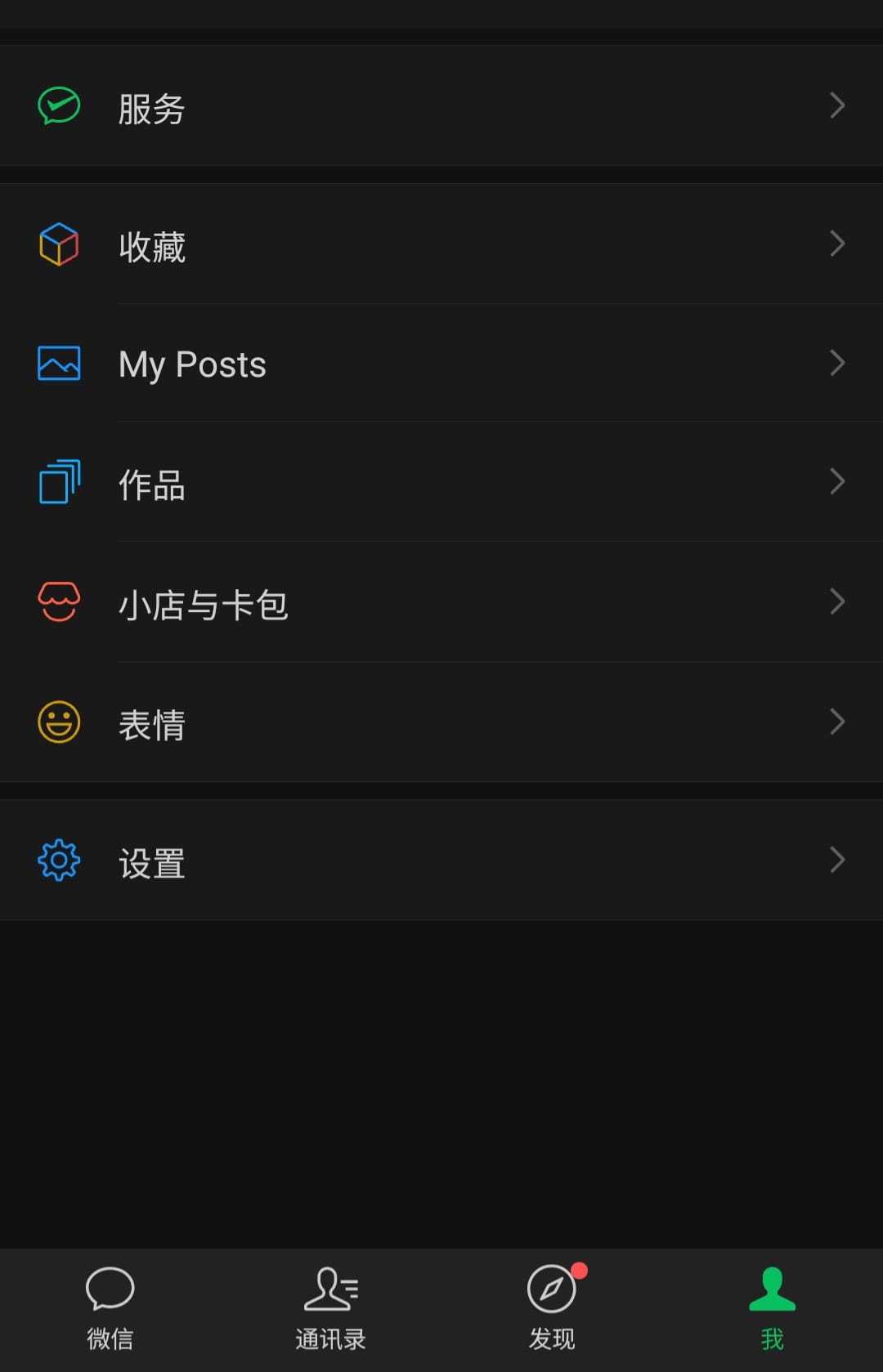
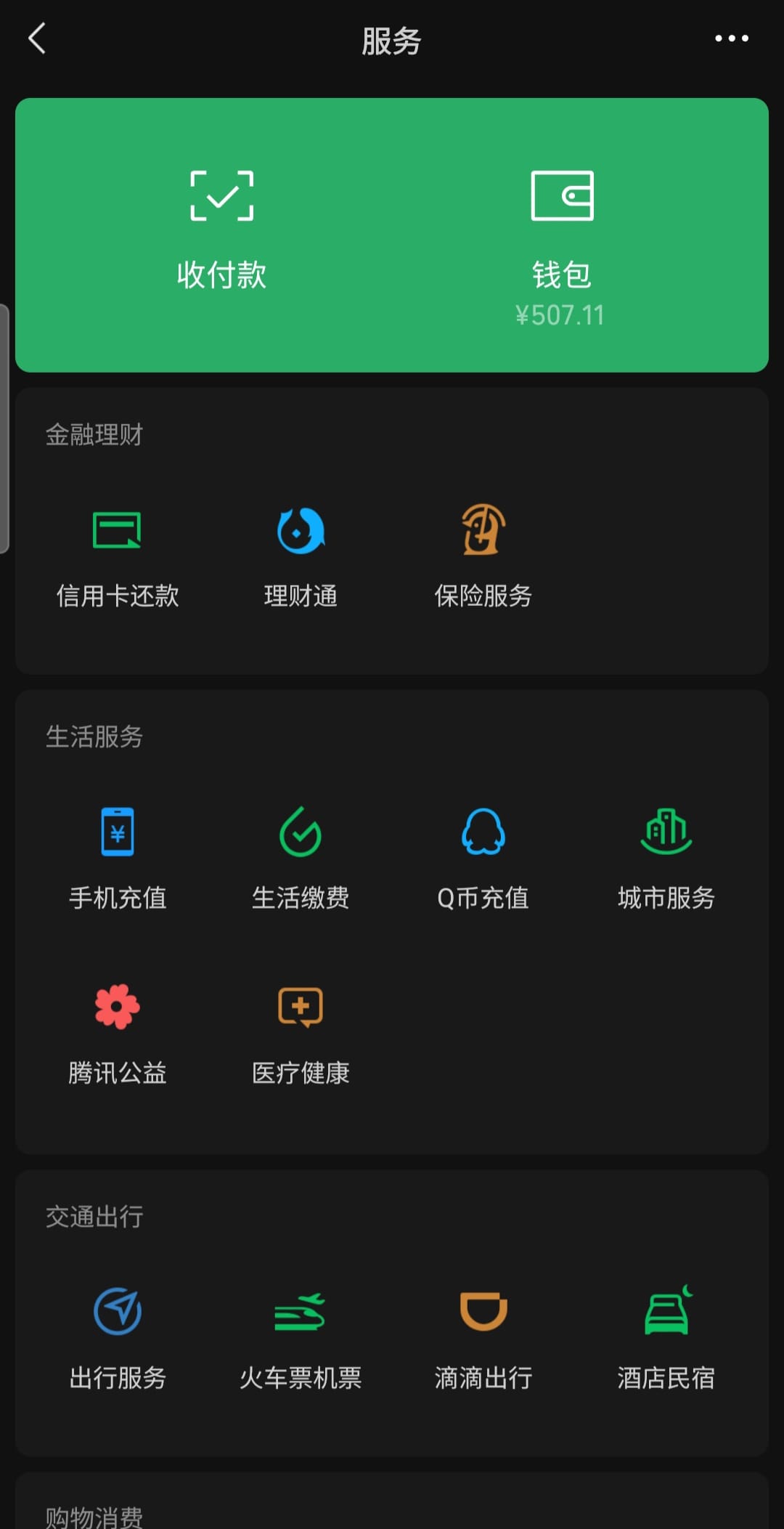
First-time users will be prompted to verify their identity before the wallet functions. Have a clear image of your passport or identification document on hand, and follow the simple instructions on the page. Upon successful submission, you will receive a confirmation notification within WeChat.
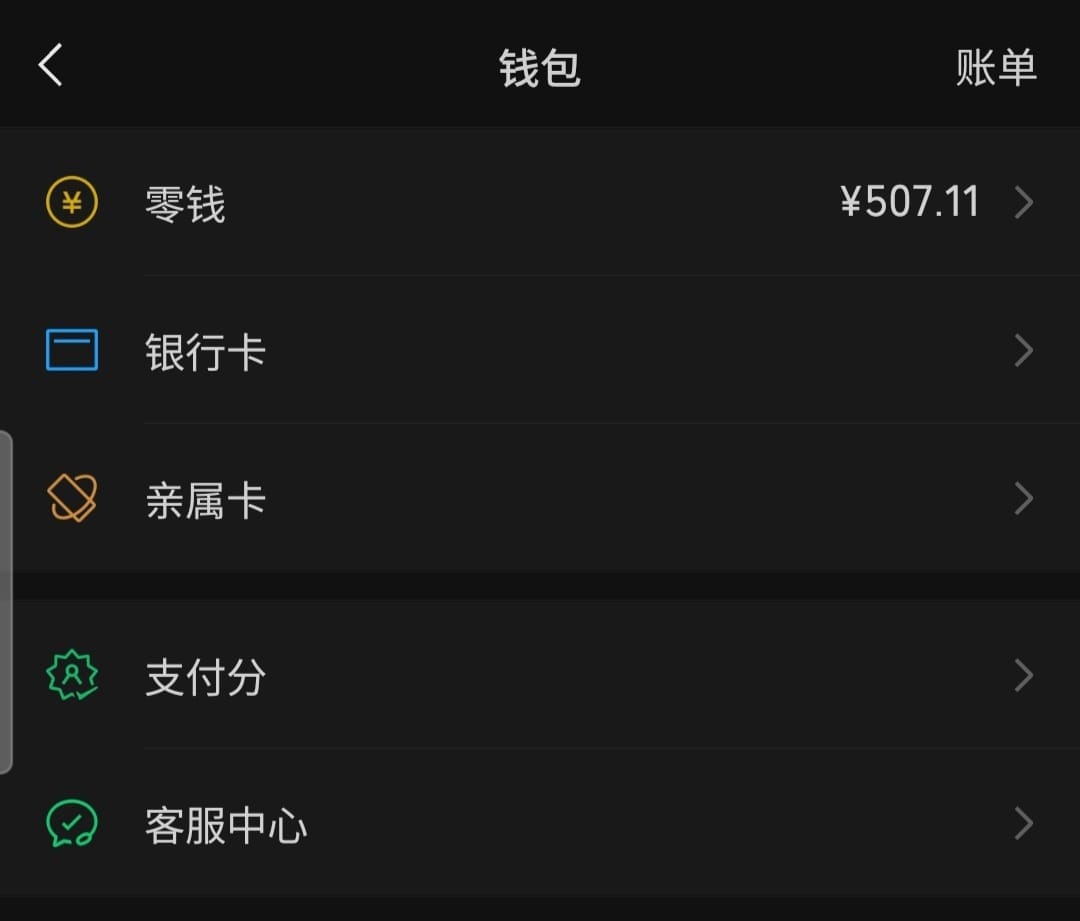
You can make payments either by maintaining a stored balance or by linking a card. Without a local bank account, you cannot top up the wallet directly to maintain a balance, though you can receive peer-to-peer transfers from others to use as a balance. Therefore, the most common way for foreigners to make payments is by linking an international credit card. Follow the instructions on the wallet page to link your Visa or Mastercard. Again, do this prior to arrival to ensure payments work immediately.
There are two ways to pay: you can either scan the merchant's QR code, or the merchant scans your QR code. Usually the store assistant or cashier will ask or inform tourists which method is preferred. Both options are accessible from the main page of WeChat by tapping the "+" icon in the top-right corner of the app.
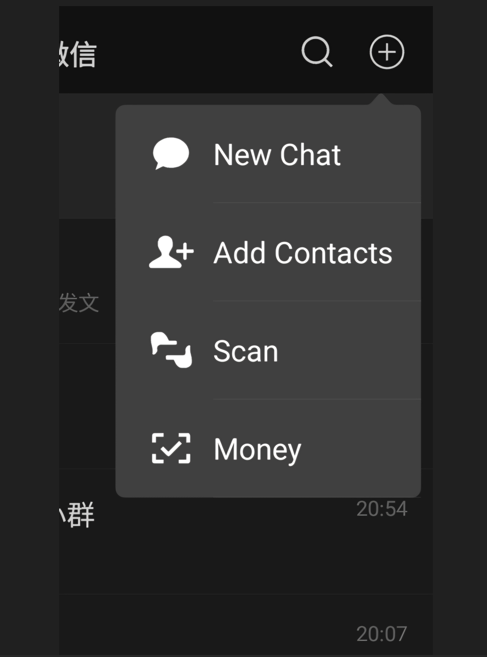
'Scan' activates your phone's camera to read the merchant's QR code, while 'Money' displays your personal QR code for the other party to scan, which refreshes periodically for security purposes.
Depending on your settings, you may need to key in the 6-digit PIN you created during setup before a payment goes through.

WeChat also comes in handy for scanning on-site QR codes in China. Many restaurants require consumers to scan QR codes to view their menu, place orders, and make payment. Using the regular camera function on your phone to scan the QR code will not work. To access QR codes in China, you must do it through WeChat. The steps are exactly the same as when making payment: simply tap the "+" icon on the top-right corner of the WeChat main page and scan.
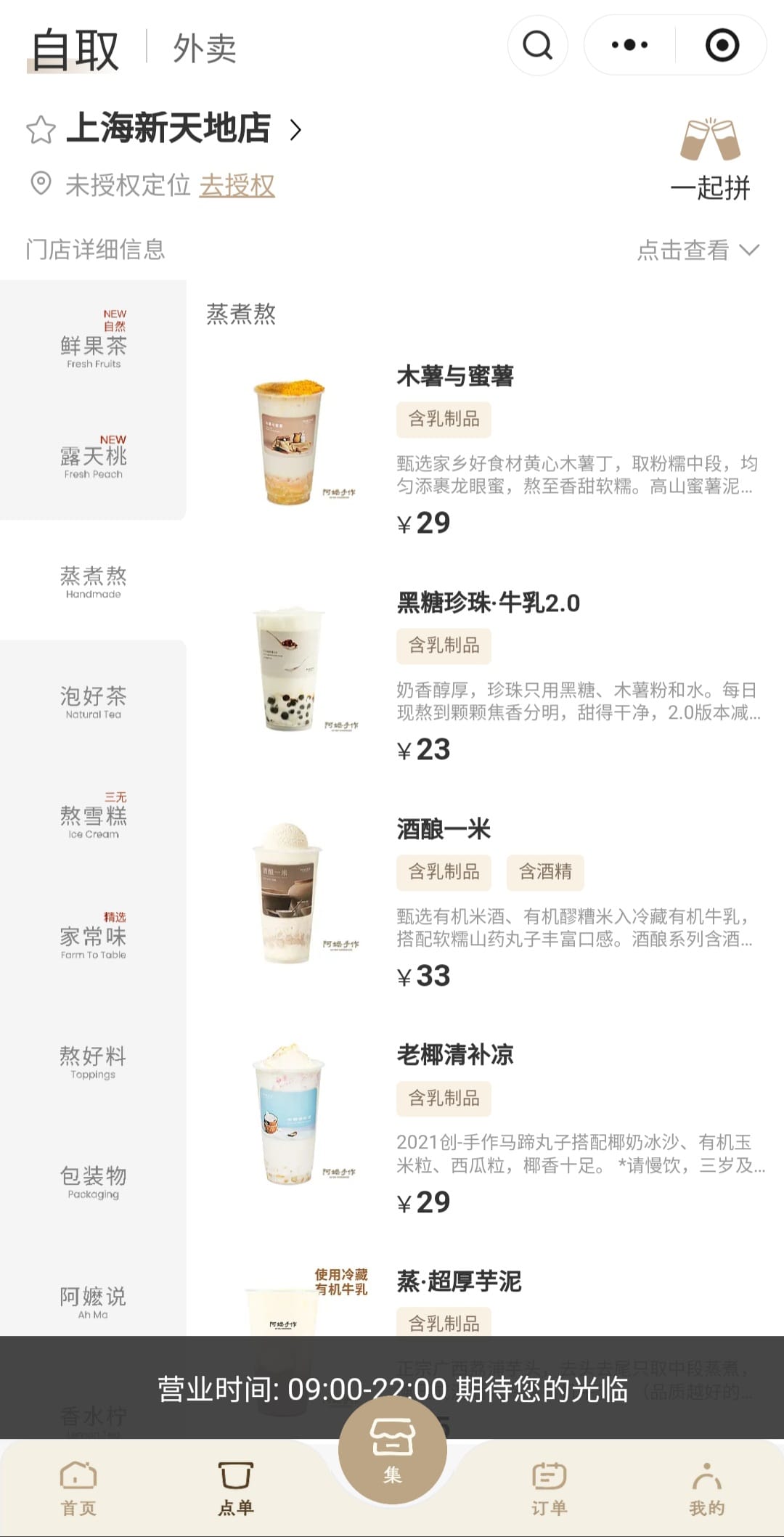
Beyond live ordering, WeChat Mini Programs are particularly useful for placing orders remotely for pickup later, since most local food menus and ordering systems are hosted directly within the app. Simply search the merchant via WeChat like other Mini Programs, remotely place orders at your desired location and pick it up when you get there later. This is an exceptional time-saving strategy that we highly recommend for viral food chains where walk-up lines can easily take up to 2–3 hours on weekends.
Transport: DiDi Ride-Hailing
DiDi is a ride-hailing service and will likely be the first application you use upon arrival to travel from the airport to your hotel. To overcome the barrier of not having a domestic phone number, use the DiDi Mini Program inside WeChat.

Depending on the chosen car type, some drivers may ask for the last four digits of your mobile number for verification when boarding. Payment is completed after the ride. Do note to go back into the Mini Program to confirm payment through your linked WeChat e-wallet. Otherwise, you will be unable to make the next booking unless the previous ride payment was settled.
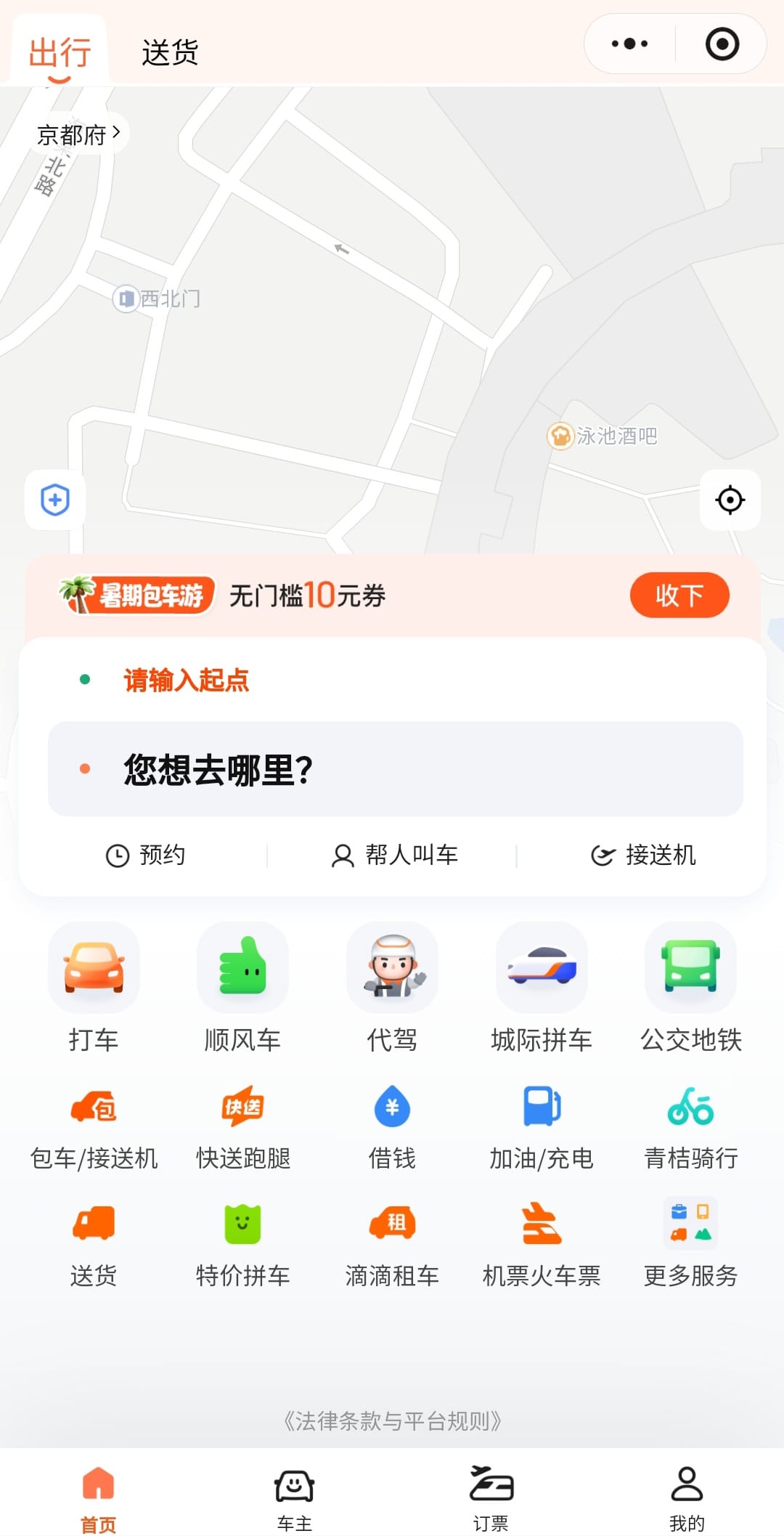
Since hailing a ride is comparatively affordable in China, many foreigners are likely to be willing to choose a premium ride rather than a standard ride. One clear benefit to a premium ride is that the vehicle is generally more well-maintained and includes complimentary bottles of water. Premium ride drivers mostly smoke outside their vehicles too, so there will not be smoke smell in the vehicle for those who mind.
Crowd-sourced reviews: Dianping
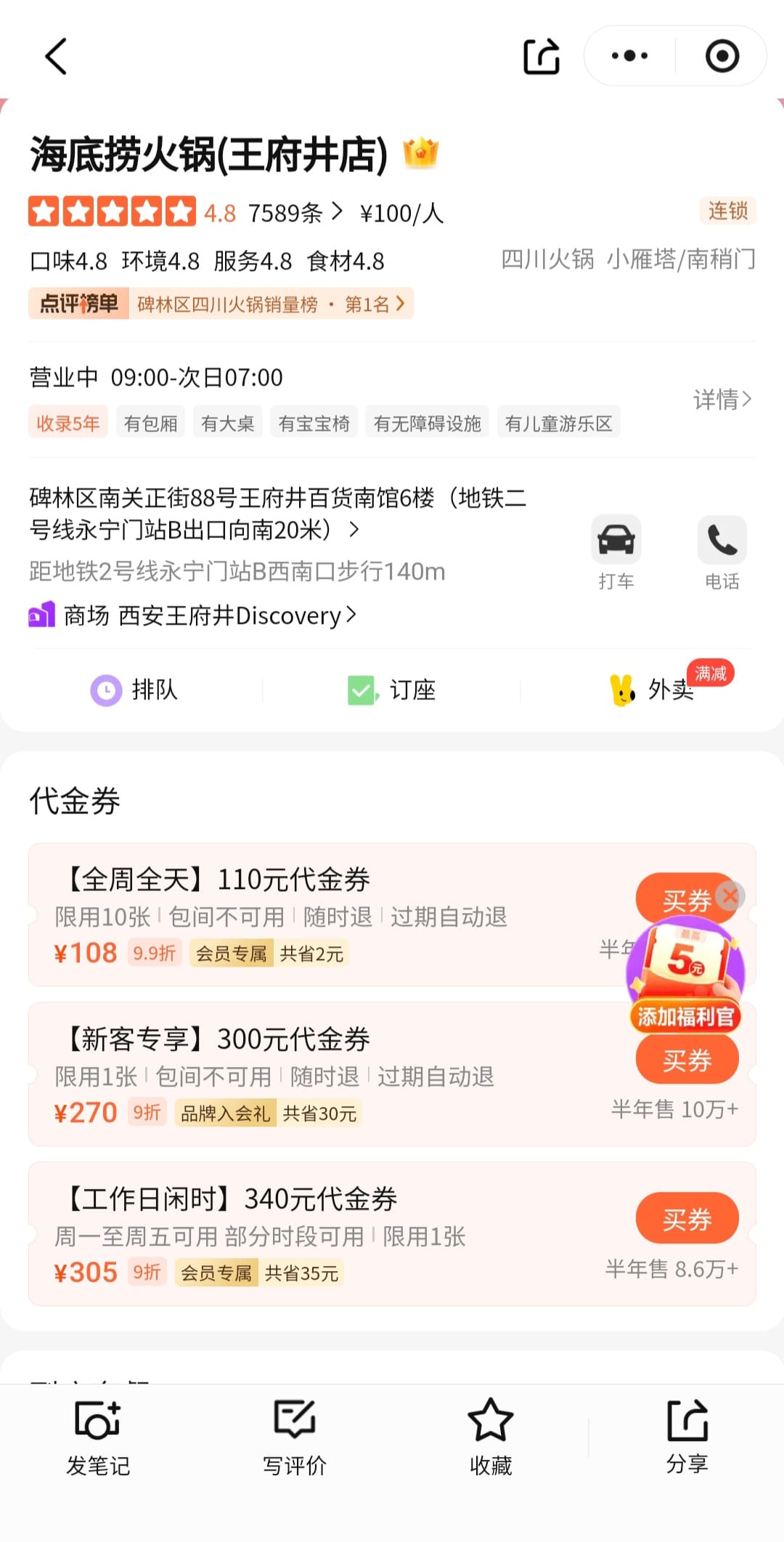
While Rednote is good for travel guides and broad reviews, Dianping is the definitive platform for dedicated reviews of restaurants, hotels, wellness services, and entertainment venues. Similarly, you can access the Dianping Mini Program via WeChat by searching "dianping" or "点评".

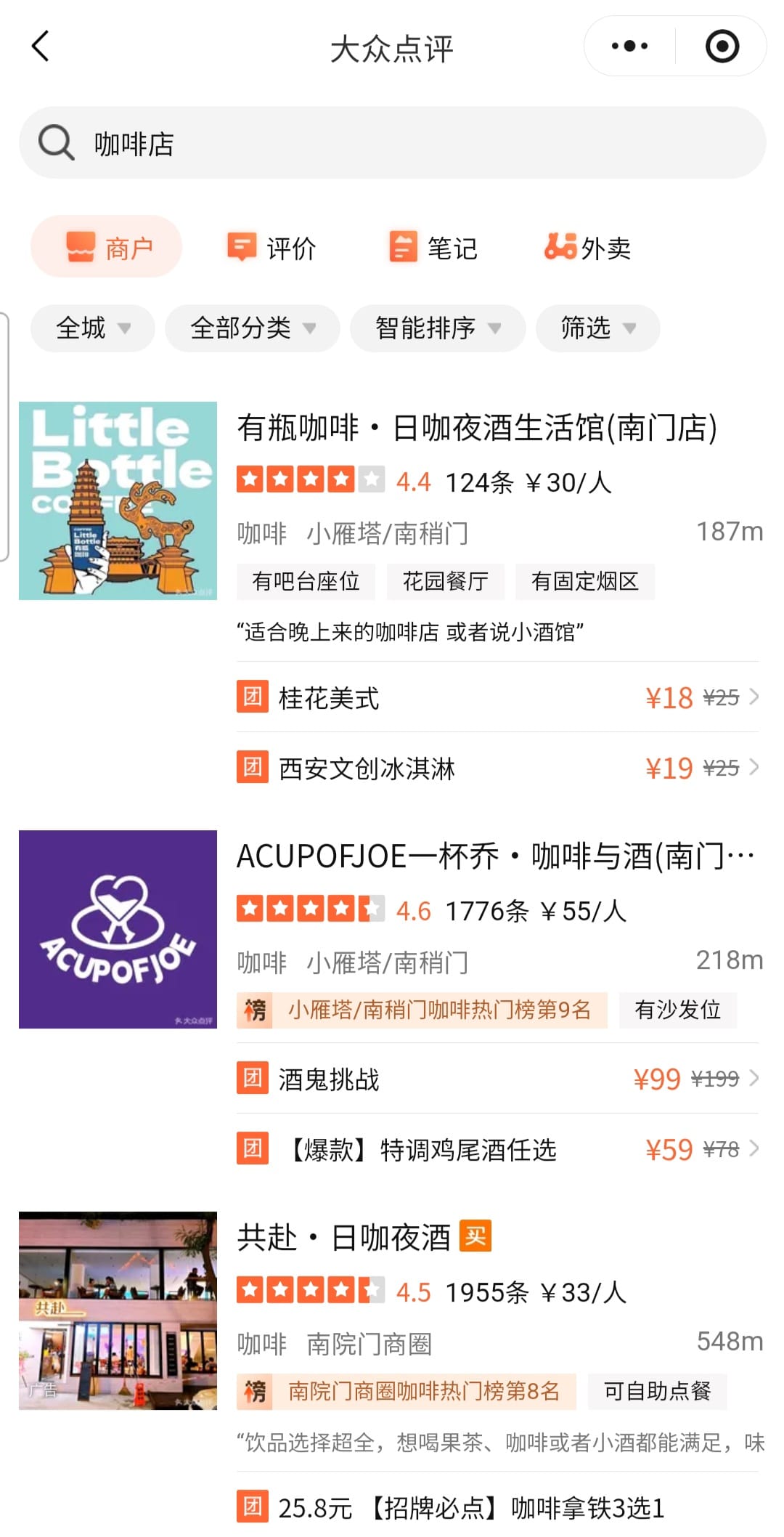
The app works effectively in two ways. First is through proximity search and second is through category search. The app generates a massive list of results. Each establishment's profile details basic information: opening hours, addresses, an aggregated rating out of 5 stars, and user reviews with text and visuals.
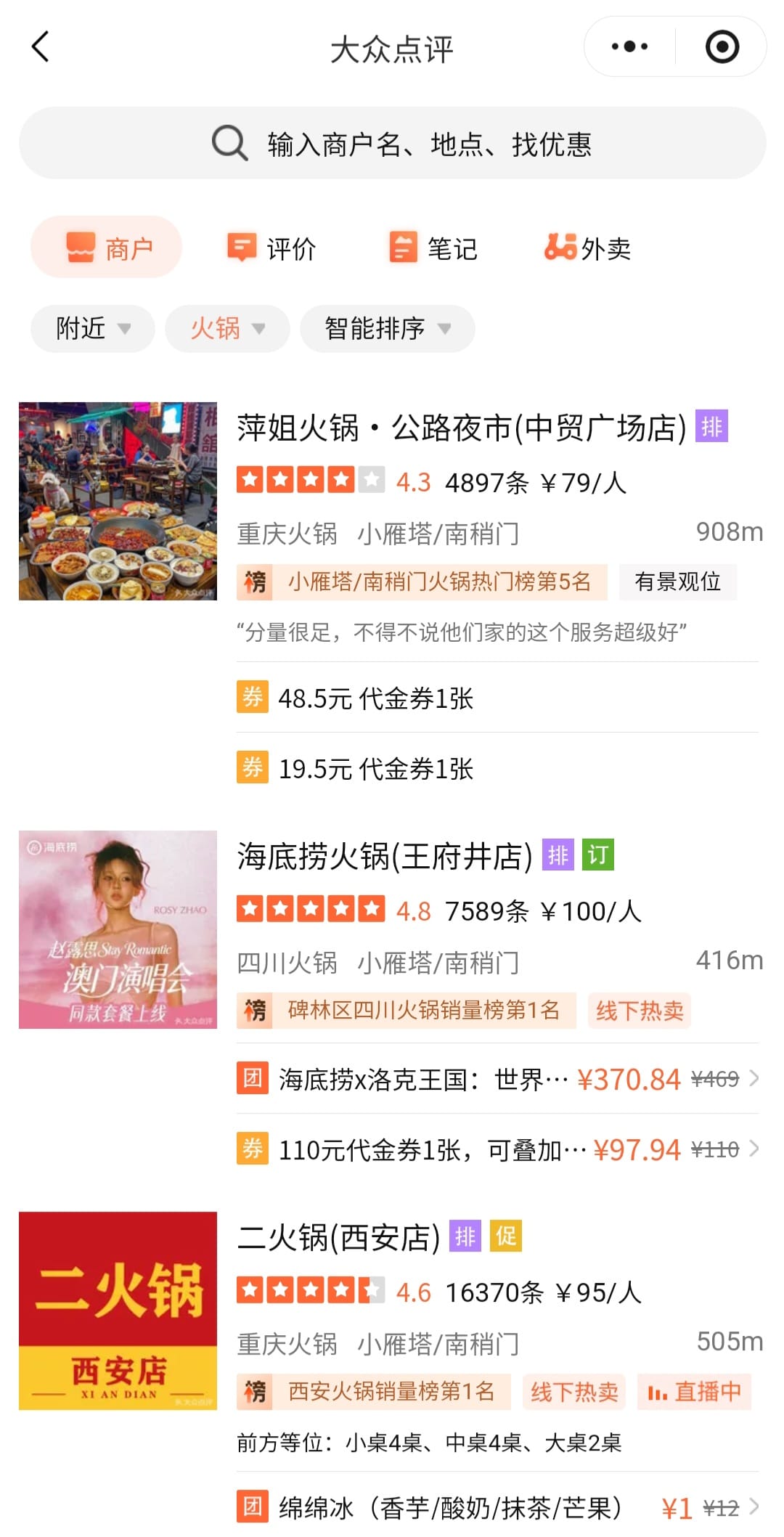
Depending on the merchant, listings may feature value-add options. As it is under another larger company called Meituan, you can directly buy set-meal vouchers, secure direct price discounts, or claim complimentary items to redeem for your visit. On top of that, some merchants provide the option to make advanced reservations or join a virtual queue prior, helping you optimize your trip and avoid long waits.
Dining: Meituan
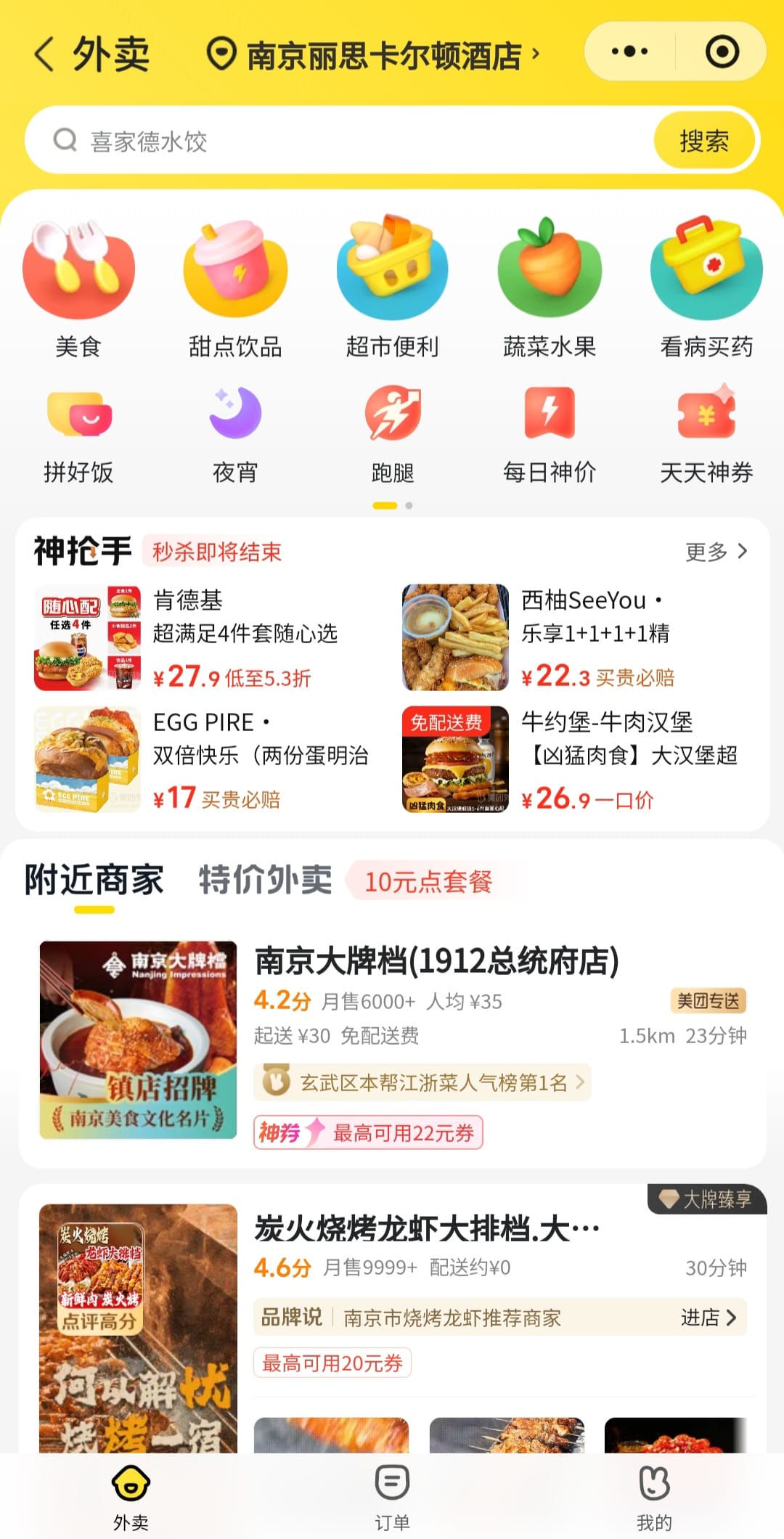
For maximum flexibility when dining, Meituan provides a world-class on-demand delivery service. Supported by a highly sophisticated logistical network, Meituan can deliver meals, groceries, and convenience items to just about anywhere you are in the city. Whether you are resting at your hotel, relaxing in a public park, or stationed at a specific urban coordinate, the delivery location can be highly-specific and hyper-localised.

However, we do caution against ordering and receiving a delivery order at a crowded tourist attraction as language barrier and unfamiliarity with nuanced directions may make it challenging to meet up with the delivery rider.
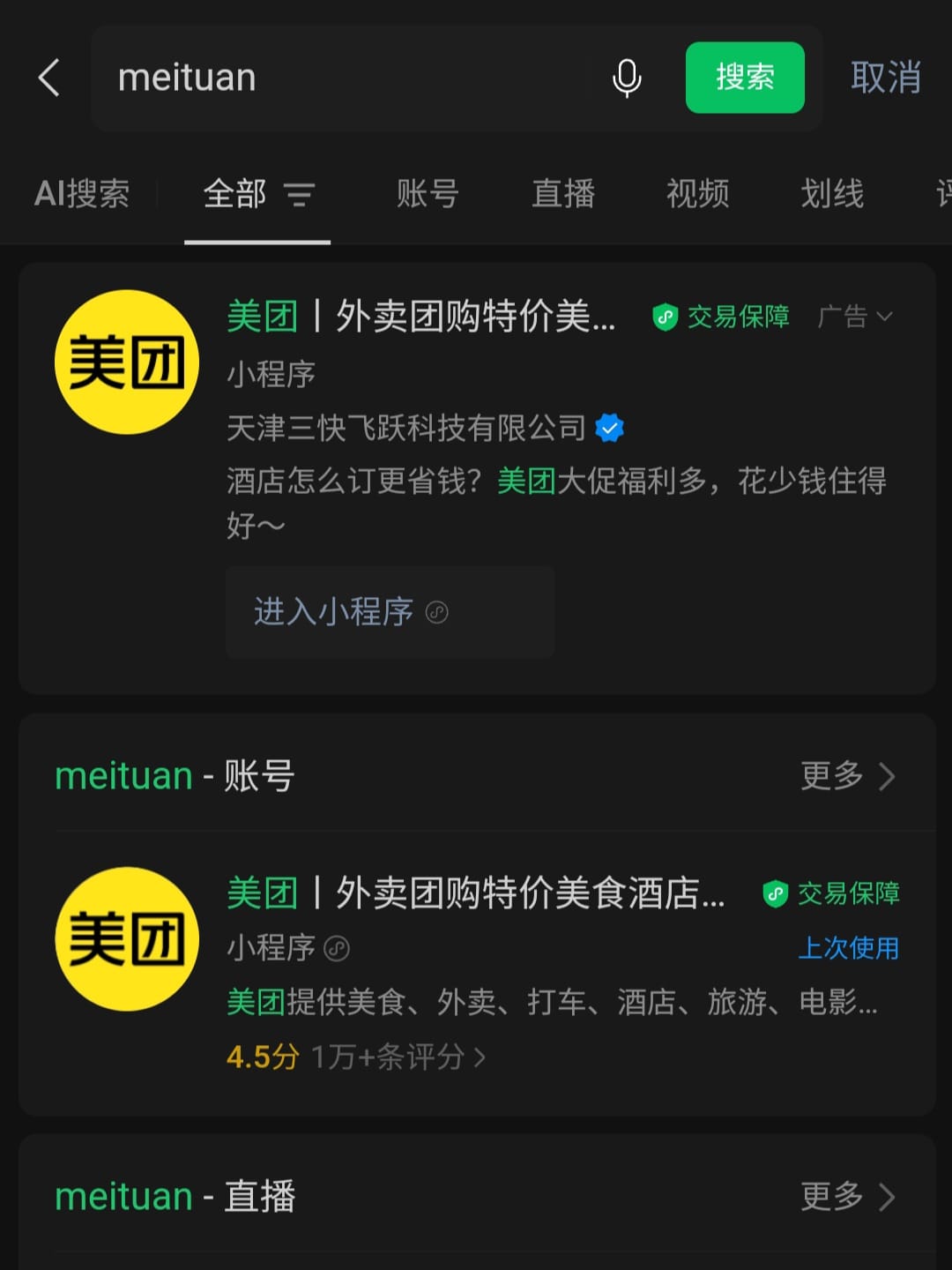
You can access the Meituan Mini Program by searching "meituan" or "美团" in WeChat without downloading a separate application. To utilize Meituan properly, it is highly recommended to have a local phone number. Therefore, on top of having a global roaming eSIM, it may be worthwhile to purchase a local SIM card to obtain a local mobile number if you expect yourself to be using Meituan frequently throughout the trip.
To place an order, first indicate your current delivery location. Available merchants in the vicinity will then be listed. The minimum spend required per merchant is very low and easily attainable; most of the time, you only need to order a single item to hit it. This makes ordering from a variety of merchants fuss-free. Payments are made via your WeChat e-wallet, and you can track the status of the order within the Mini Program subsequently.
If you indicate your specific room number in the delivery address, many modern tech-forward hotels in China will route the courier's delivery through an autonomous robot butler. When your meal arrives, the robot navigates the elevators, travels down your hallway, and places an automated phone call to your room to alert you to collect your order at your doorstep. This is another interesting experience to have for your trip in China.
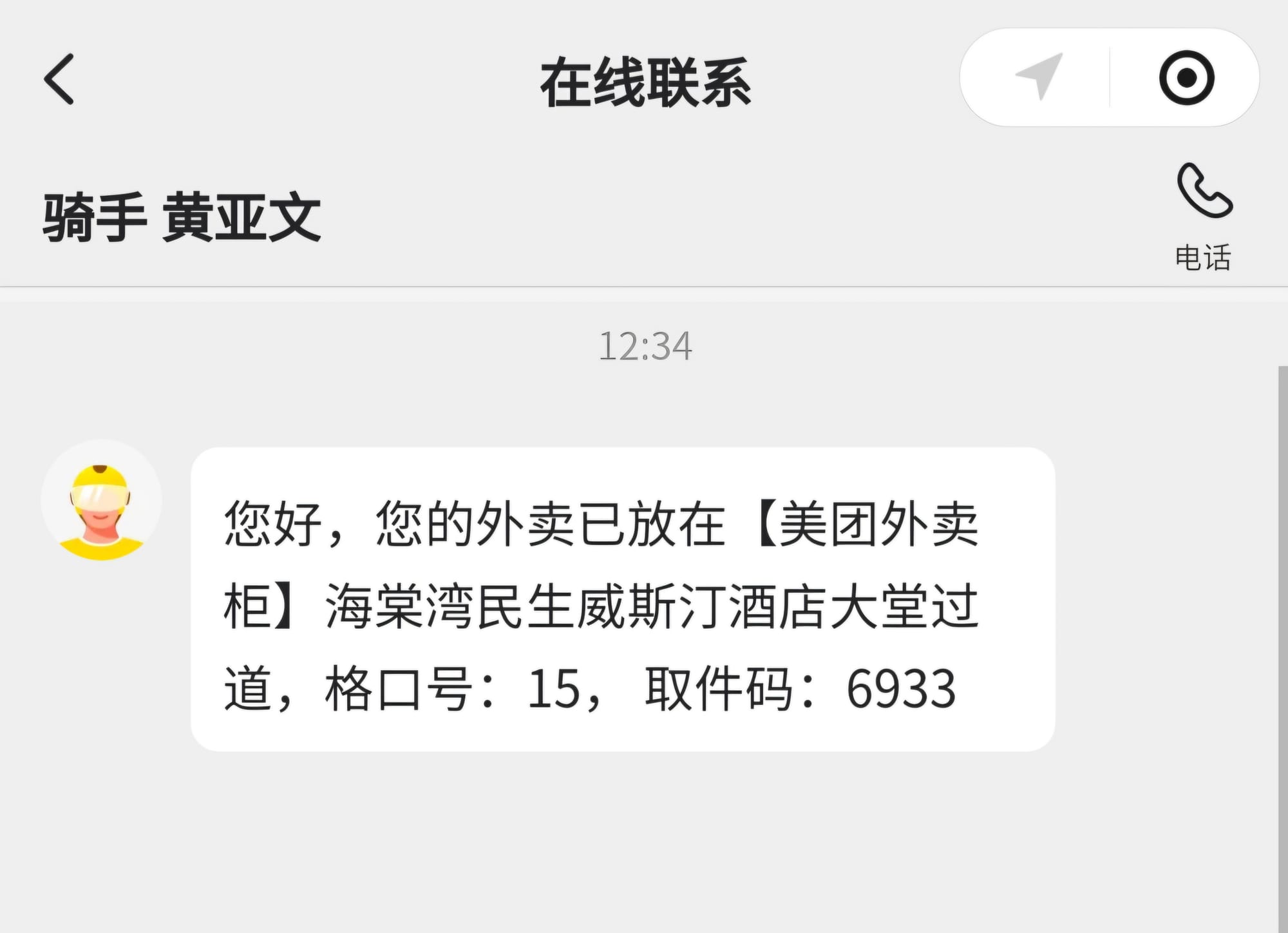
Alternatively, if you are having items delivered and are not available to pick up the order personally, use the electronic drop-off lockers installed in just about every compound in China. Simply indicate the most convenient locker bank as your delivery address. When the delivery is complete, you will receive a notification within Meituan providing the locker number your order is stored in. Head to the designated locker, scan the QR code, and key in the given code (or your phone number) to unlock.

Beyond meals, Meituan also excels at on-demand convenience items. If you are caught out in an unexpected rainstorm, you can order an umbrella delivered directly to your current street corner or landmark in as little as 15 minutes, depending on your location and the time of day.
Navigation: Amap
To navigate within China seamlessly, you can leverage Amap (known natively as "Gaode Ditu"). You can download Amap via Google Play Store or Apple Store, or leverage the Mini Program via WeChat by searching "Amap" or "高德". Amap works exactly like Google Maps but features vastly superior local data. Even traffic light signs on road junctions can be real-time due to the deep integration with the city's data.
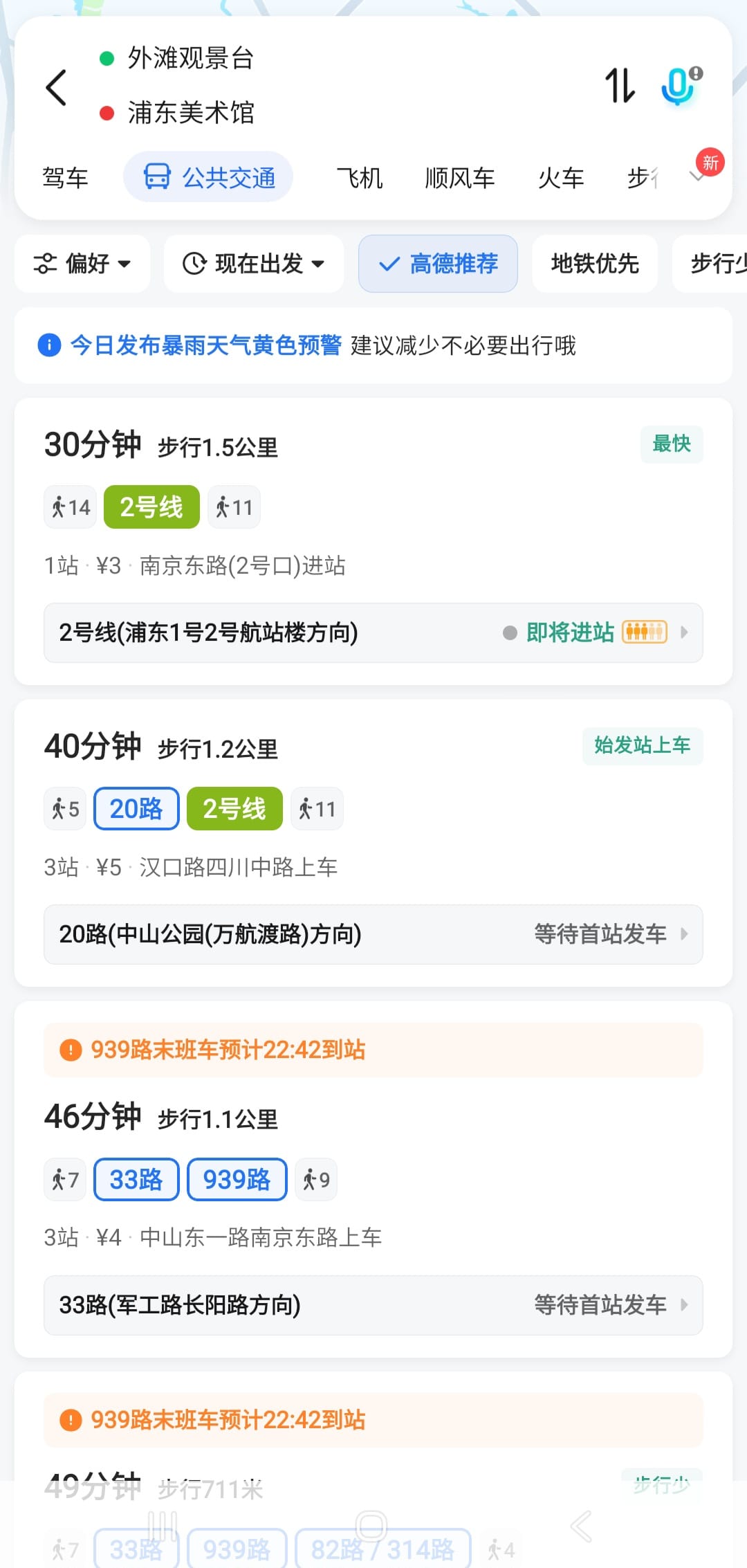
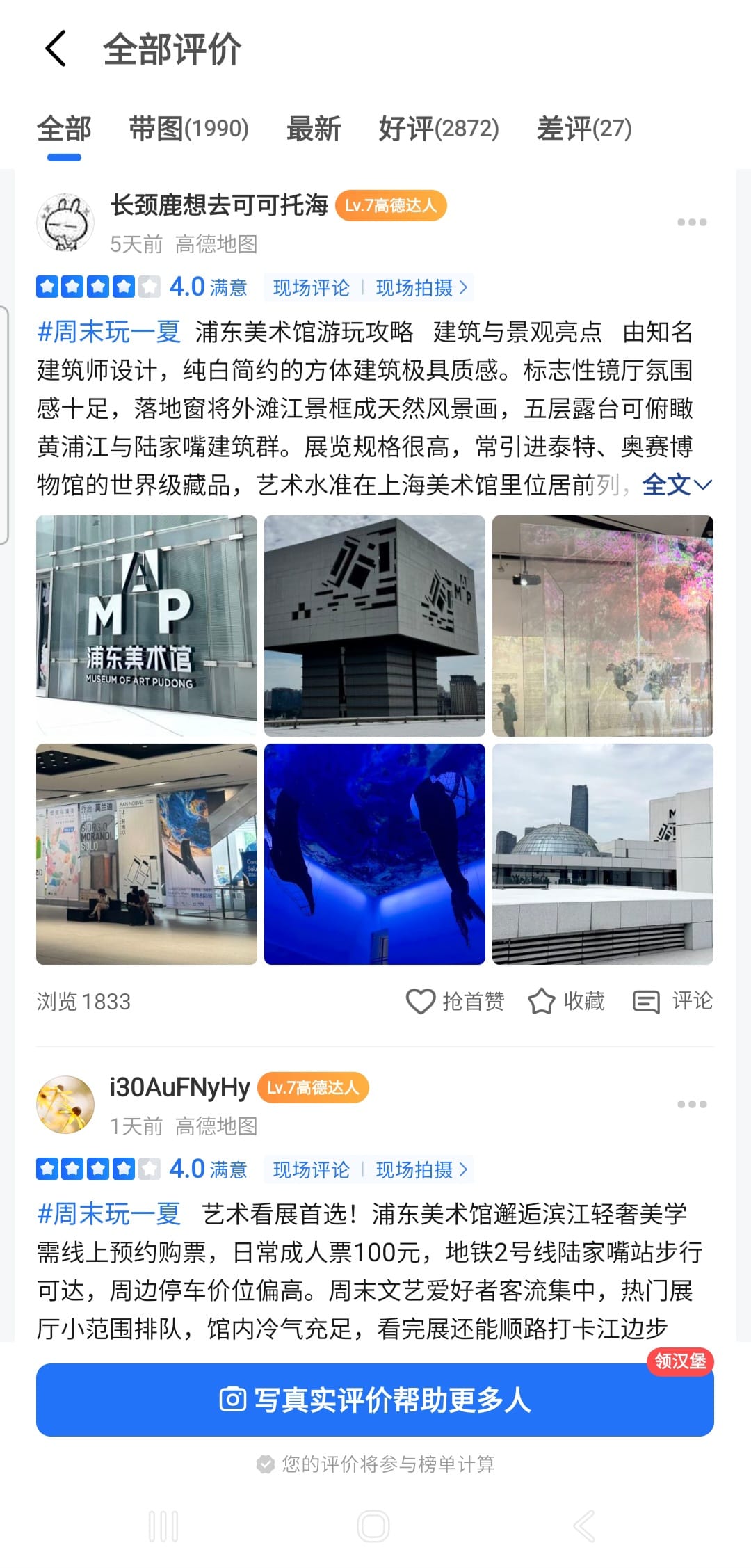
Users can search how to get to places via different modes like driving, walking, and public transport, including specific exits to take at respective subway stations. In addition, Amap aggregates information related to the location, such as opening hours, entry ticket purchase options, and user reviews scored out of 5 stars, with some including real-life photos and videos. To keep a collection of places to visit, you can pin and save locations into individual folders for easy future reference.
Mentioned above are what we consider the core essential apps to make a trip to China a smoother experience. While it can be complicated at first, we find that we can get a good hang of it after using for a few times. After the initial learning curve, it is fascinating and rewarding for tourists to be able to engage in the highly-efficient Chinese consumer services like a local. If China is on your travel radar, here are some of the cities we have reviewed:
Guangzhou: One above the rest in the capital of food
Chengdu: Do not miss the day trip gems outside the city
Nanjing: Gateway to the rich history of China
Shanghai: A winter season for cosy cafes and some Christmas magic