Trip review of Xi'an: A city with deep imperial heritage
Xi'an offers a unique scenery and landscape, bridging its monumental imperial heritage with modern urban infrastructure. Lintong District is not to be missed for its cultural assets.
This trip was completed in June 2026.
Xi'an, historically known as Chang'an ("Eternal Peace"), is one of China's oldest cities, playing a paramount role in global history as the eastern starting point of the ancient Silk Road. Emperor Qin Shi Huang’s world-famous Terracotta Army can also be found there. Today, Xi'an stands as the modern capital of Shaanxi Province, bridging its monumental imperial heritage with modern urban infrastructure.
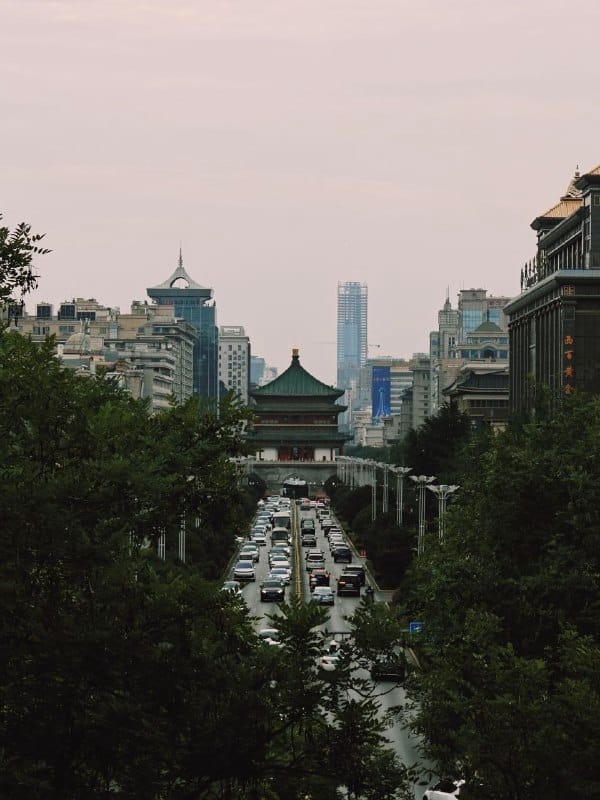
Navigating Xi'an is straightforward, defined by a clear distinction between inner-city public transit and outer-district transfers. Within the central city, the Xi'an Metro system is clean, fast, and extremely convenient. We found that Line 2 serves as the primary line for tourists, directly connecting key sights like the Bell Tower at Zhonglou Station and the Ancient City Wall at Yongningmen Station.
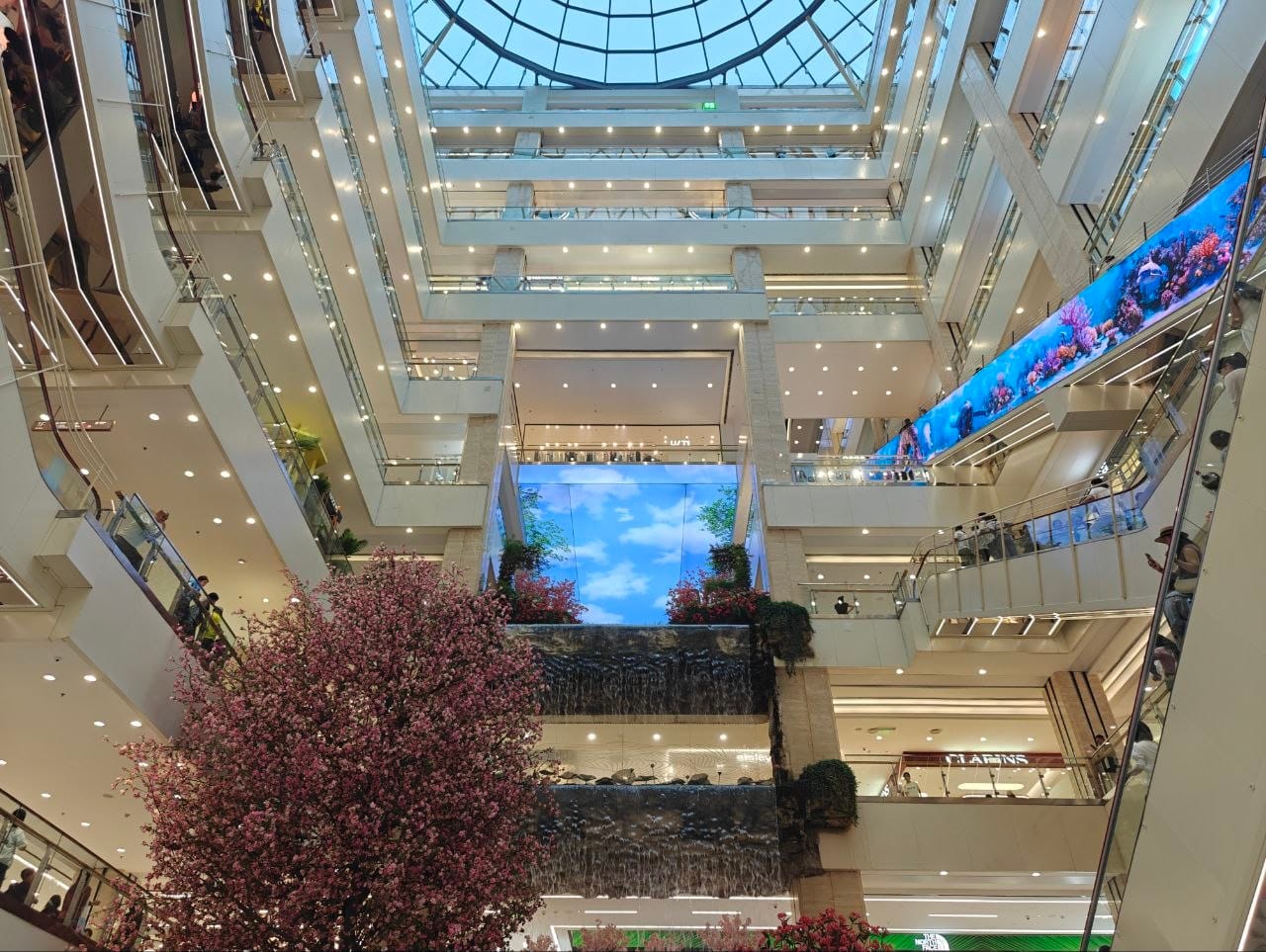
For excursions outside the urban core, such as traveling to the Lintong District (serves as the central hub for major Qin and Tang Dynasty historical sites) for the Terracotta Warriors, DiDi ride hailing service is likely the most efficient choice. However, in our case, we decided to stay a night in Lintong District because that will allow us to beat the crowd at Terracotta Warriors in the early morning.
Accommodation: Angsana Xi'an Lintong
Rating 7.8/10
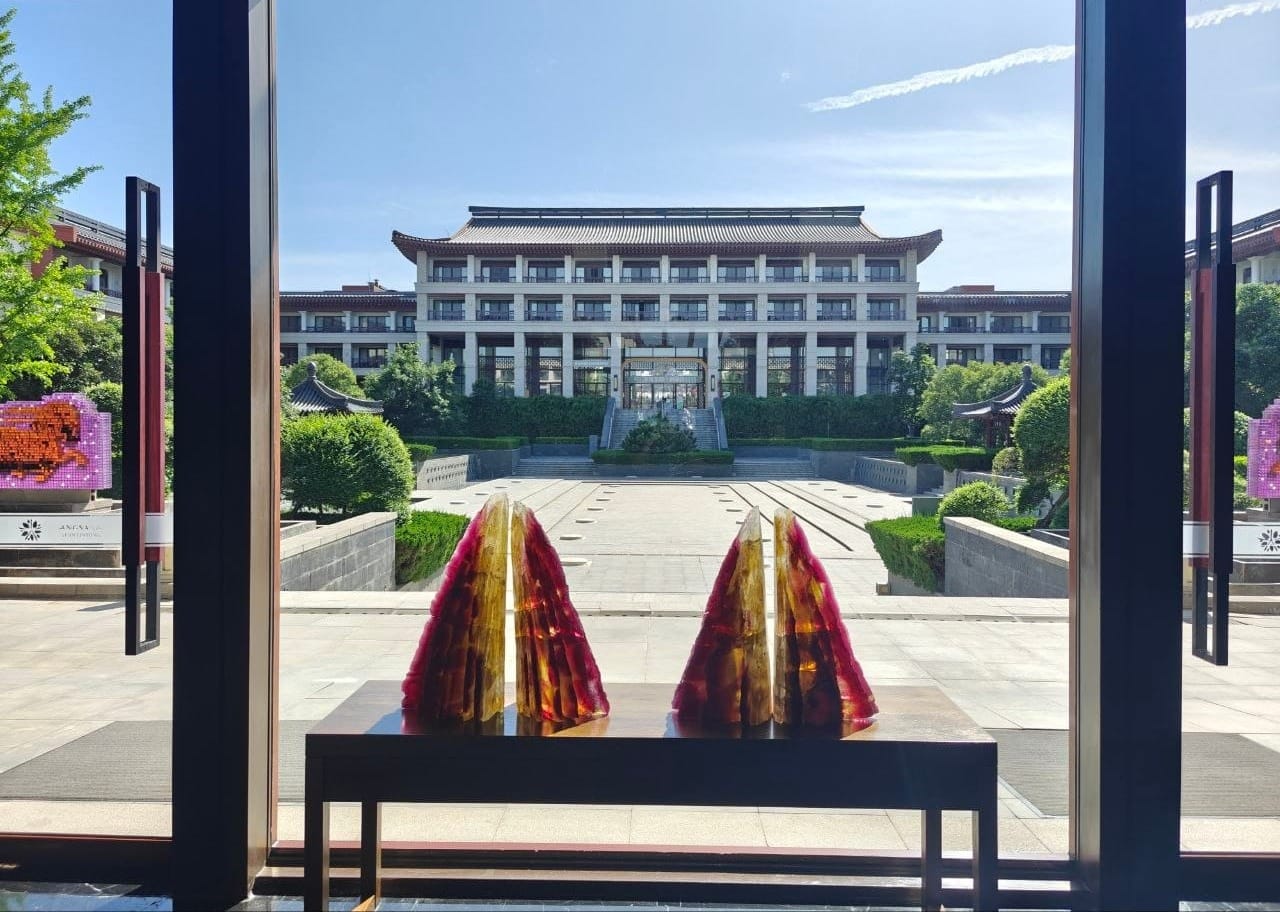
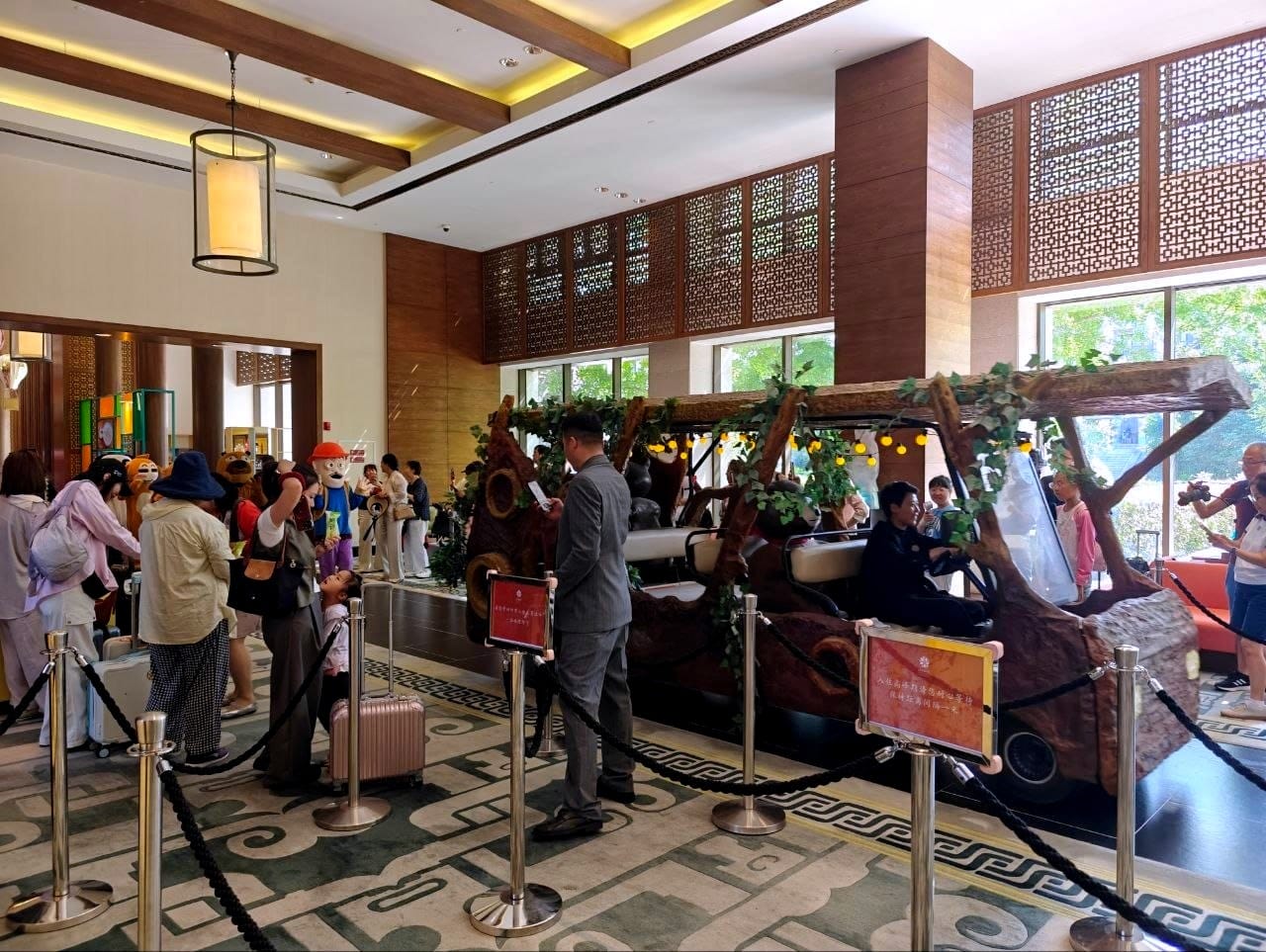
Nestled at the foot of Mount Lishan, the resort draws its primary identity from its geothermal waters, which share the exact historical source once frequented by Yang Guifei, the celebrated Imperial Consort of the Tang Dynasty. During our visit, we observed that this hotel is very popular among families, with many kids-friendly activities and performances.
As mentioned earlier, we selected Angsana Xi'an Lintong for one leg of our trip due to its proximity to prominent cultural landmarks. Situated outside the congested city center, we could easily reach the Terracotta Warriors early in the morning to bypass peak crowds coming in large tour buses. Additionally, its proximity to Huaqing Palace allowed us to return promptly to our hotel after the night performance of The Song of Everlasting Sorrow (while visitors staying in the city is likely to only reach back to their hotels after midnight).
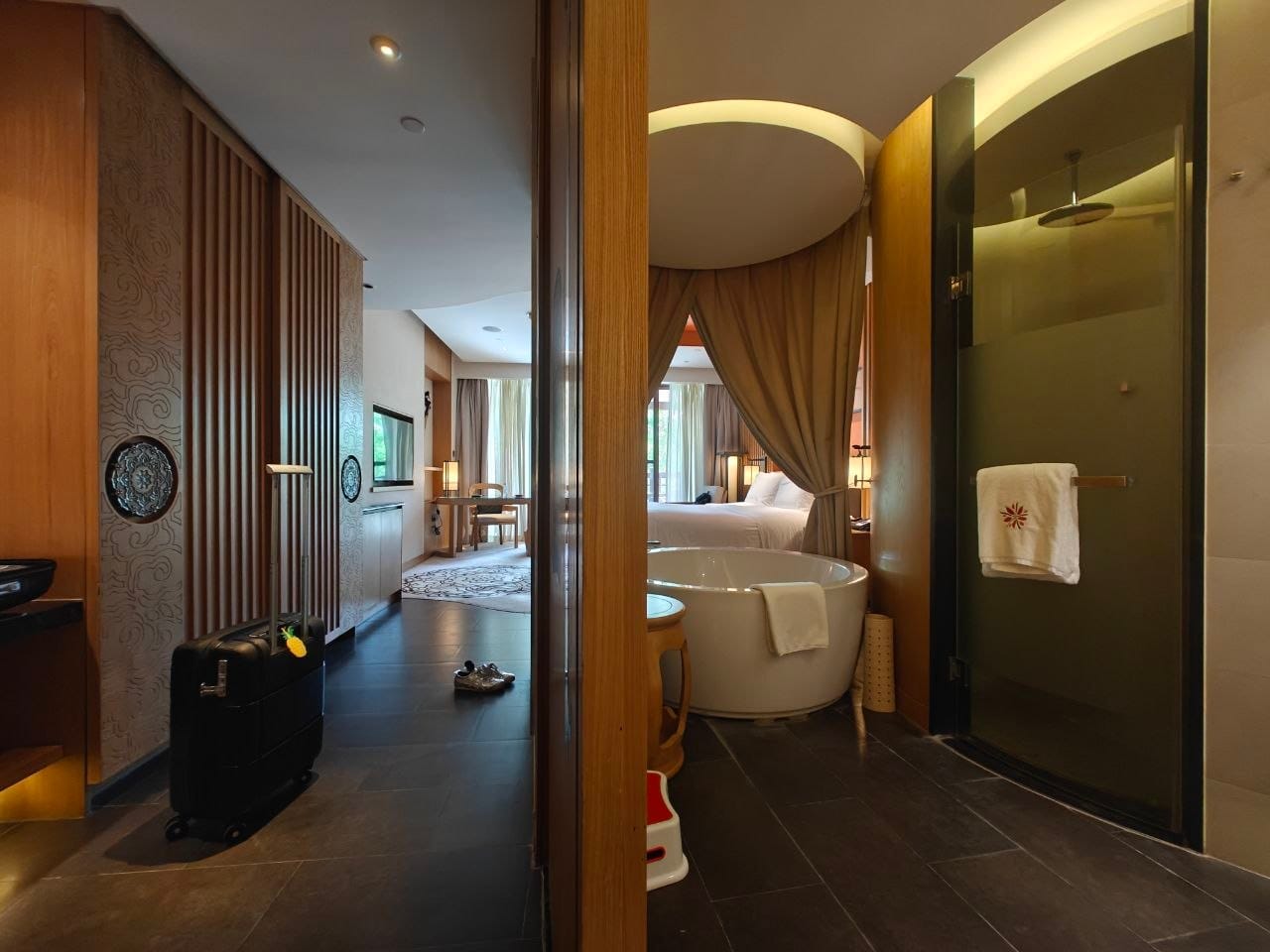
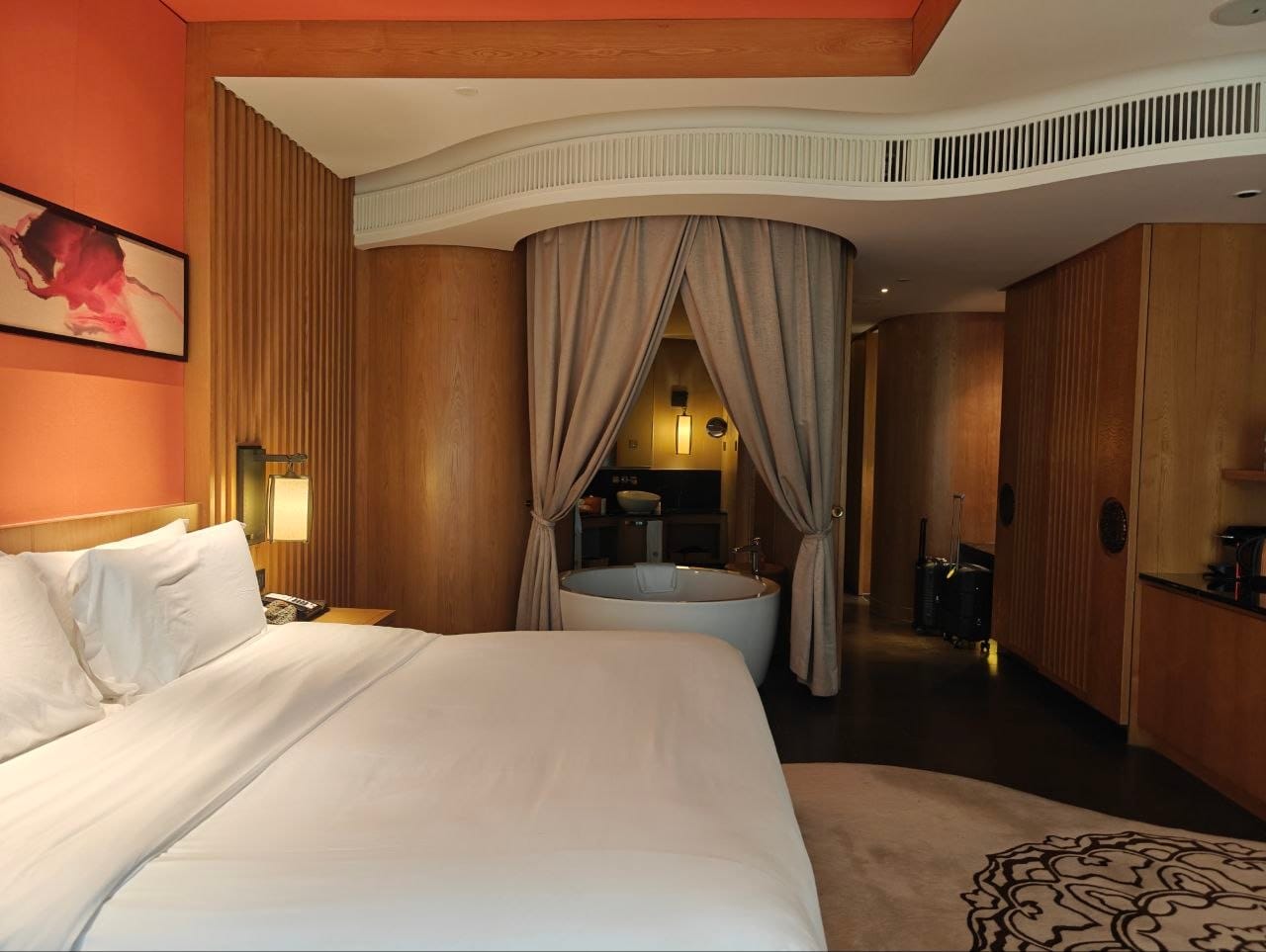
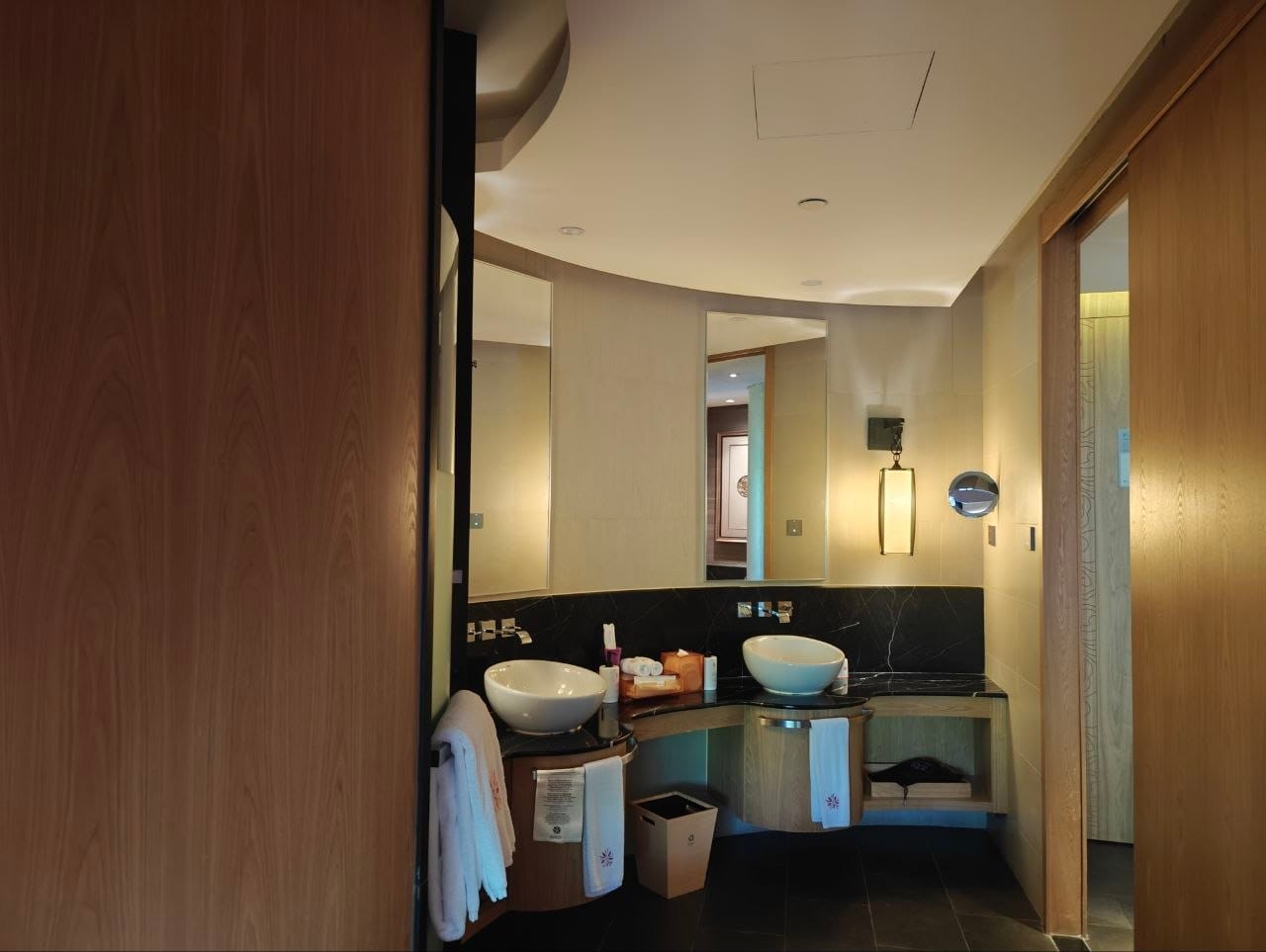
Besides the strategic location, the hotel itself boasts spacious guestrooms in pretty well-maintained conditions. It is an open layout with subtle Chinese decorative accents. Room rates are around 1,000RMB/night.
While the daily breakfast buffet offers a fairly standard international spread, it thoughtfully includes local Shaanxi specialties such as roujiamo (marinated meat buns) and steamed red date glutinous cakes. Overall, Angsana Xi'an Lintong stands out as a well-rounded leisure destination for efficient sightseeing and relaxing hot spring baths.
Accommodation: The Ritz-Carlton, Xi'an
Rating 8.6/10
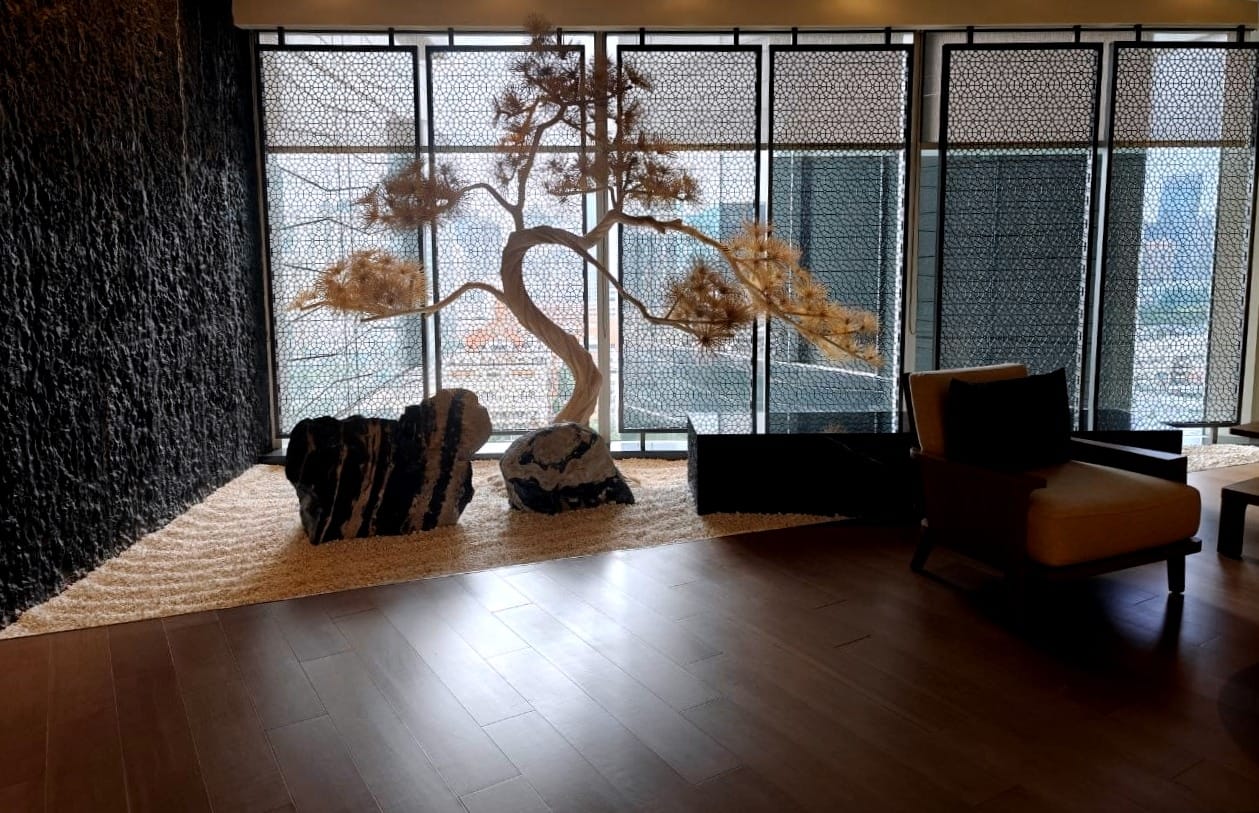
This was our city hotel for the second leg of this Xi'an trip. Situated in the bustling Gaoxin High-Tech Development Zone, The Ritz-Carlton, Xi'an occupies a prime central location with swift connections to landmarks like the Bell Tower and the Ancient City Wall via metro or taxi. Moreover, its elevated positioning in the business district gifts guests with expansive views overlooking the city skyline. Upon arrival, we were greeted with warm hospitality, and check-in was efficient and hassle-free.
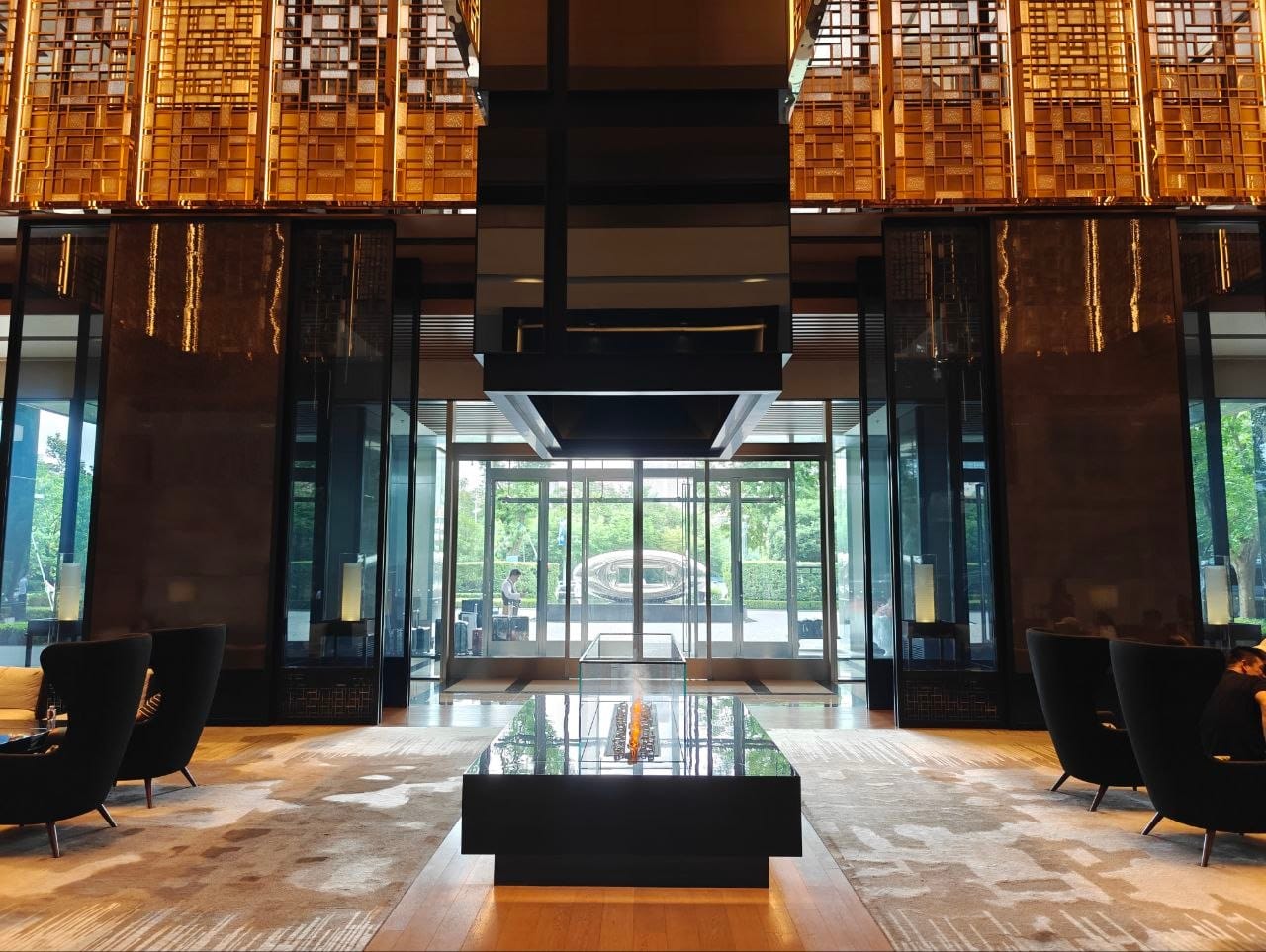
Inside, the interior design effortlessly pairs sleek contemporary architecture with subtle traditional motifs, such as custom wood lattices and silk paneling. Room rates are around 1,850RMB/night.
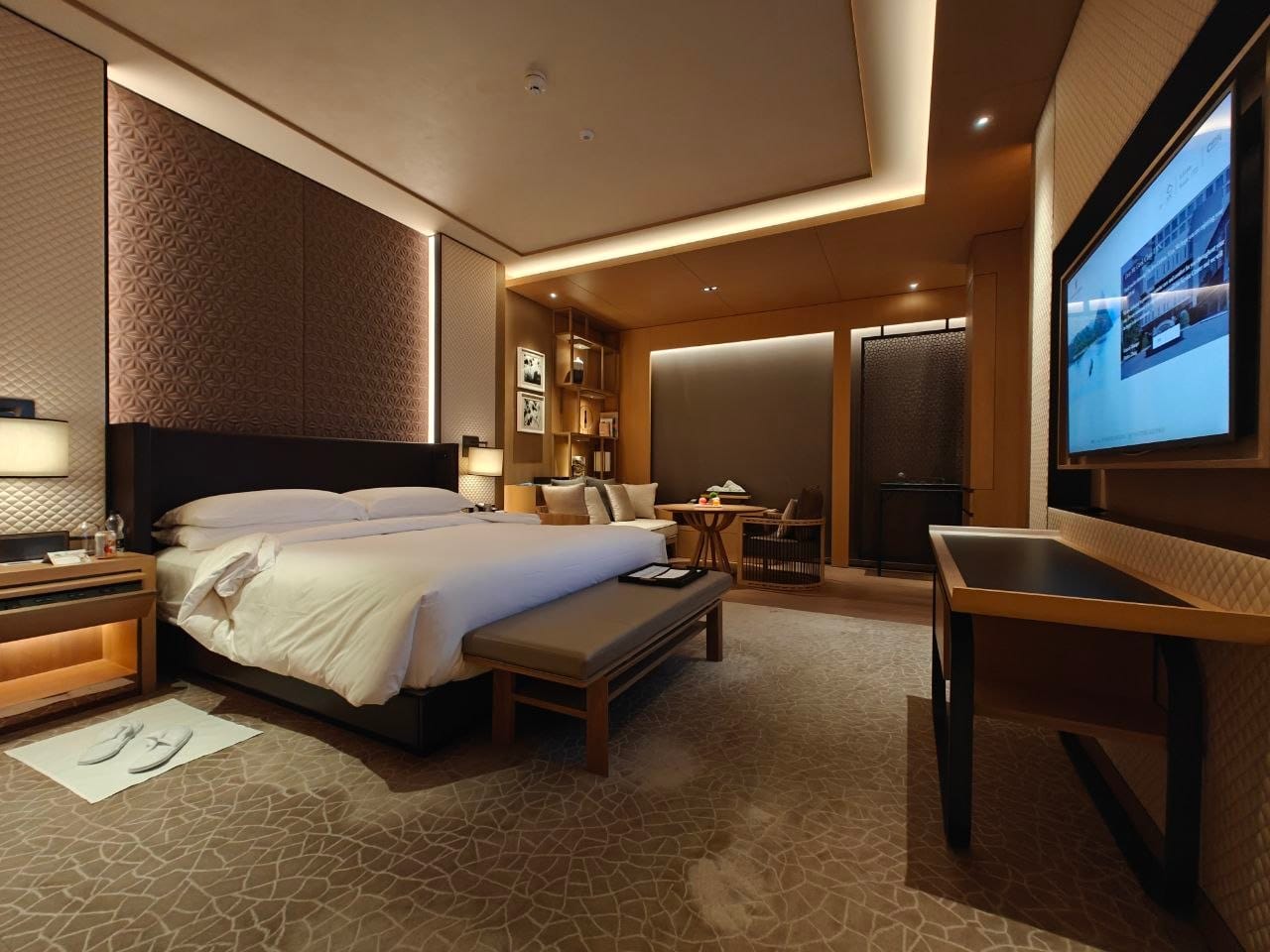
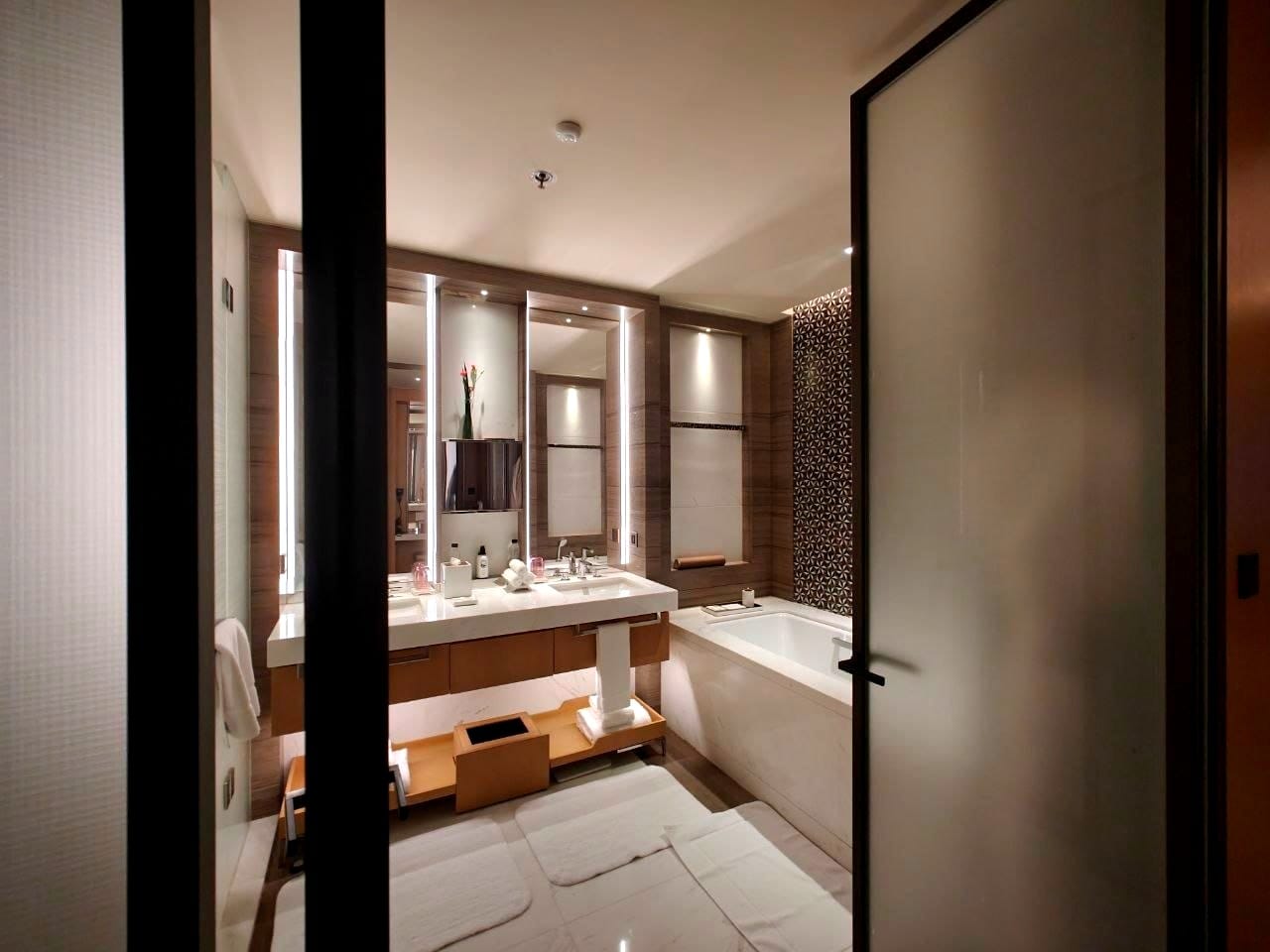
The hotel’s amenity profile is extensive, featuring wellness facilities, an indoor swimming pool, and a spa center. There were also occasional performances featuring Chinese traditional instruments at the lobby in the evening during our time there.
Dining venues are equally impressive, headlined by three specialty restaurants and a chic rooftop lounge bar, FLAIR. The entire property is exceptionally well-maintained, displaying pristine cleanliness and precise housekeeping throughout its guestrooms and public spaces.
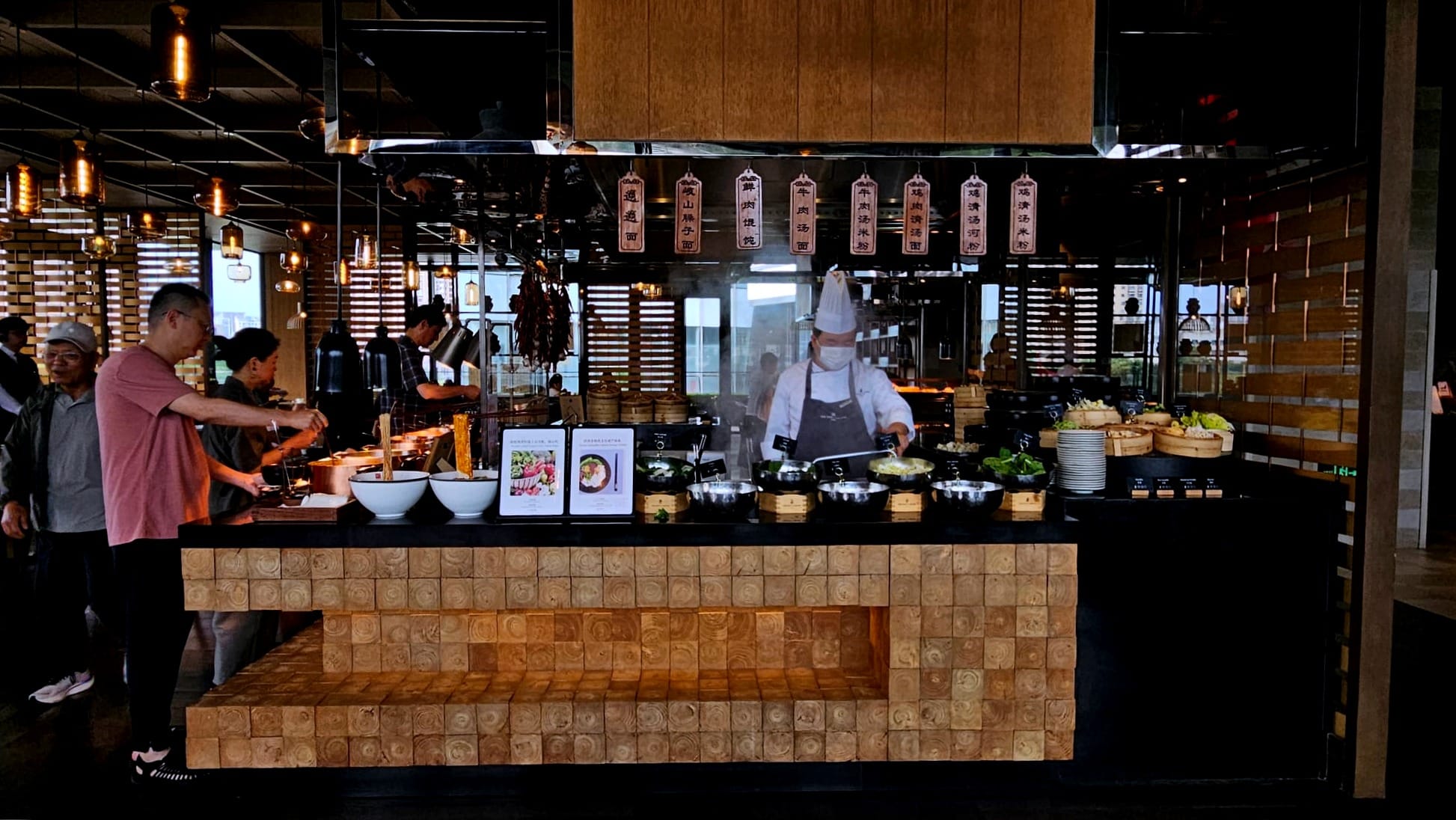
The extensive breakfast buffet did not disappoint. In addition to a wide array of international dishes, live cooking stations serve freshly prepared local specialties, including hand-pulled biangbiang noodles and authentic roujiamo. We find the breakfast service to be quite refined and attentive. Staff were proactive without being intrusive, which was something we appreciated.
Dining: Oops Coffee
Rating 8.0/10
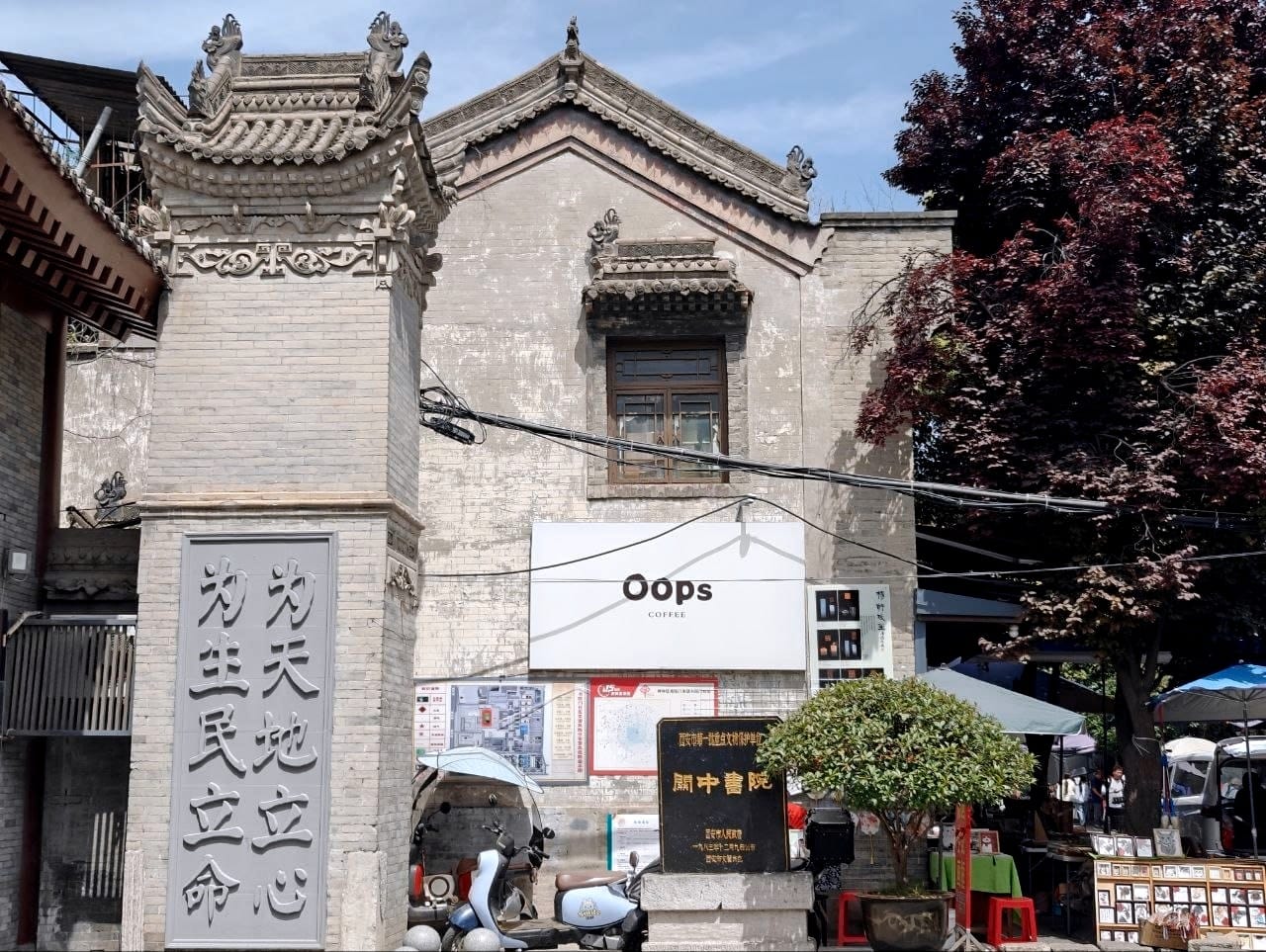
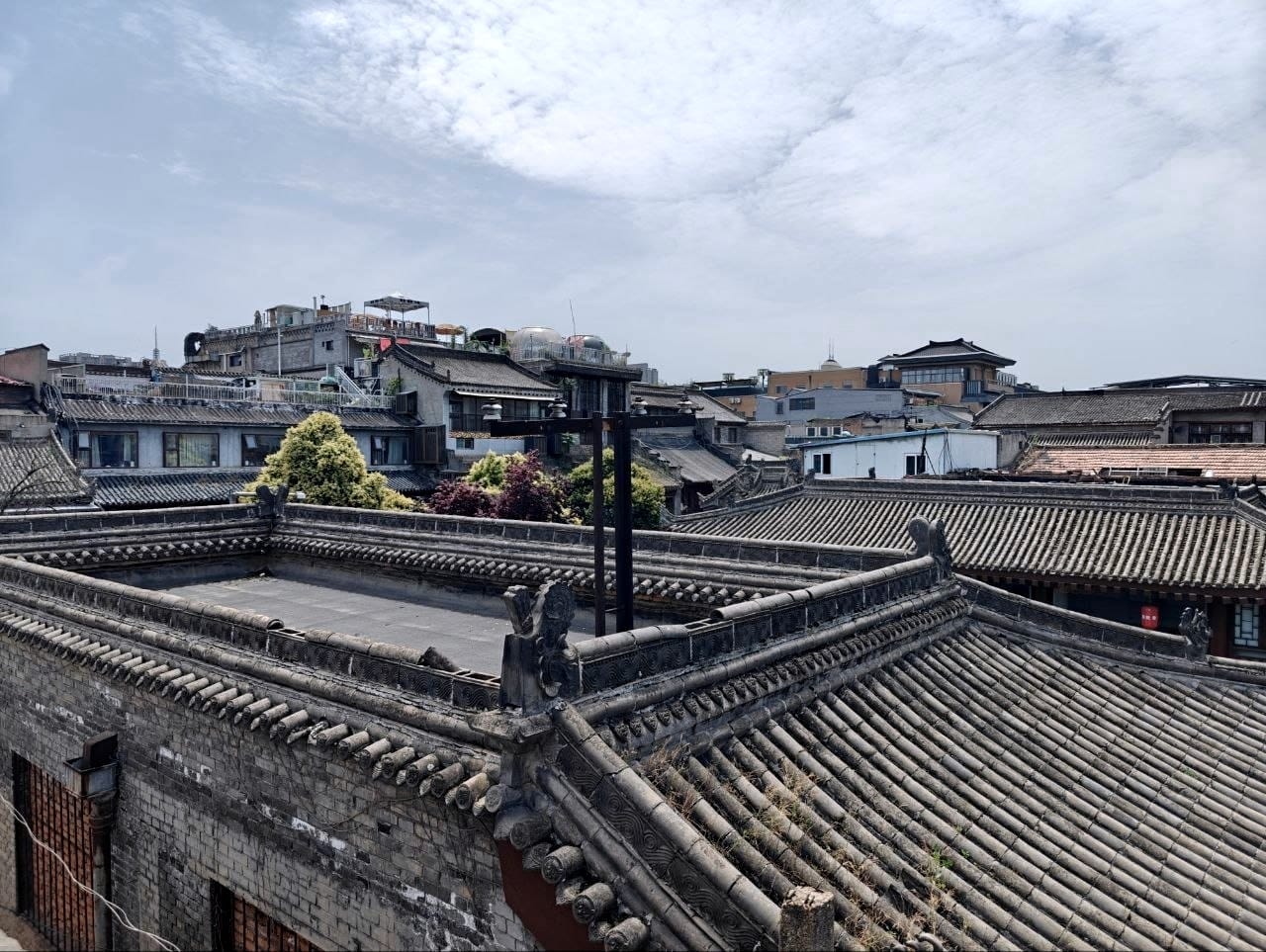
Tucked away in a tranquil alleyway just off the historic Shuyuanmen craft street near Yongning Gate, Oops Coffee is a specialty coffee shop housed within a renovated traditional Chinese courtyard house. The cafe contrasts ancient wooden architecture with modern, minimalist aesthetics, making it a peaceful retreat away from busy street traffic.
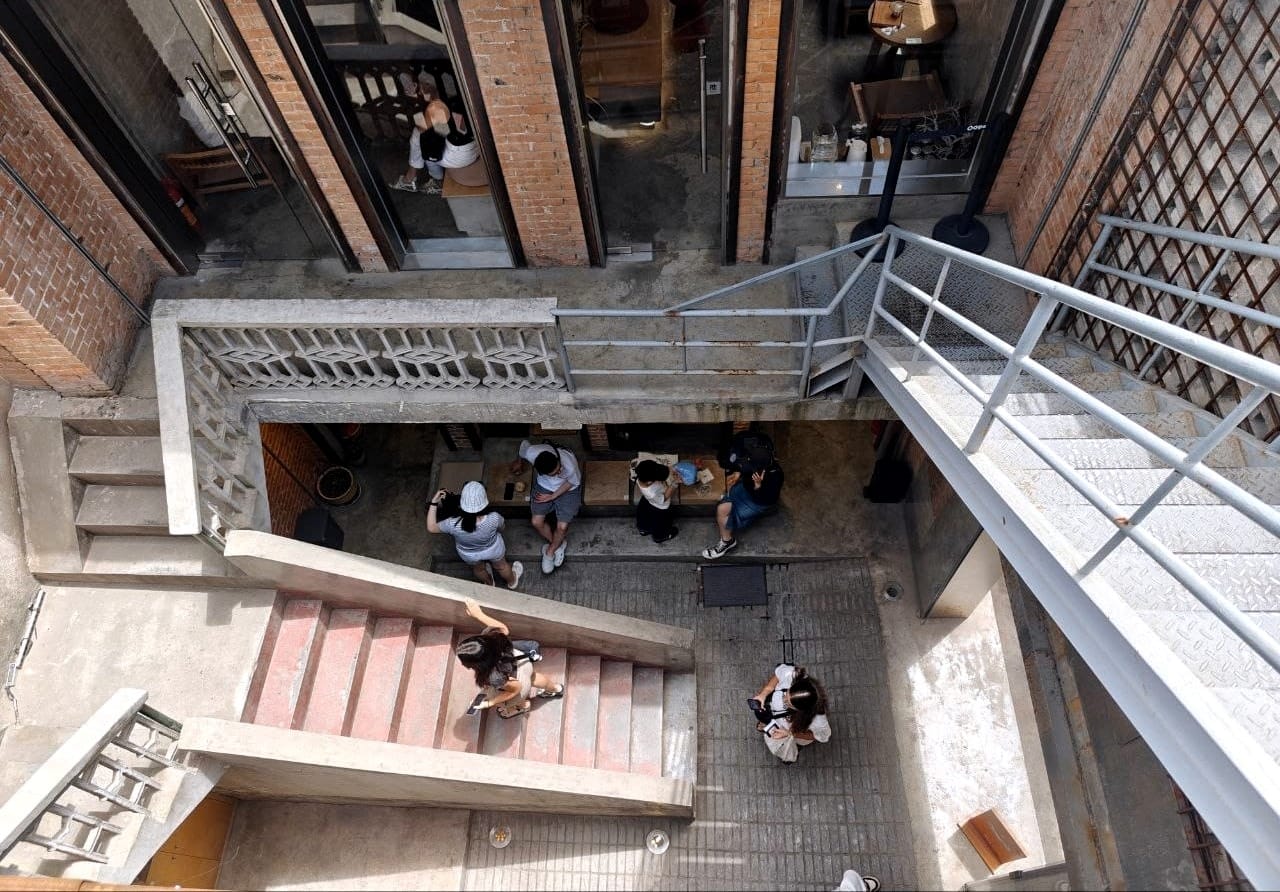
Seating spans three stories, including an outdoor terrace, an indoor area by large wooden windows, and a cozy mezzanine area, each providing different views.
The baristas at Oops Coffee were warm and friendly, passionately explaining the origin of the beans and current seasonal specials. The cafe offers specialty pour-overs, creative espresso concoctions, and seasonal signature drinks at reasonable price points ranging from 25 RMB to 45 RMB per beverage.
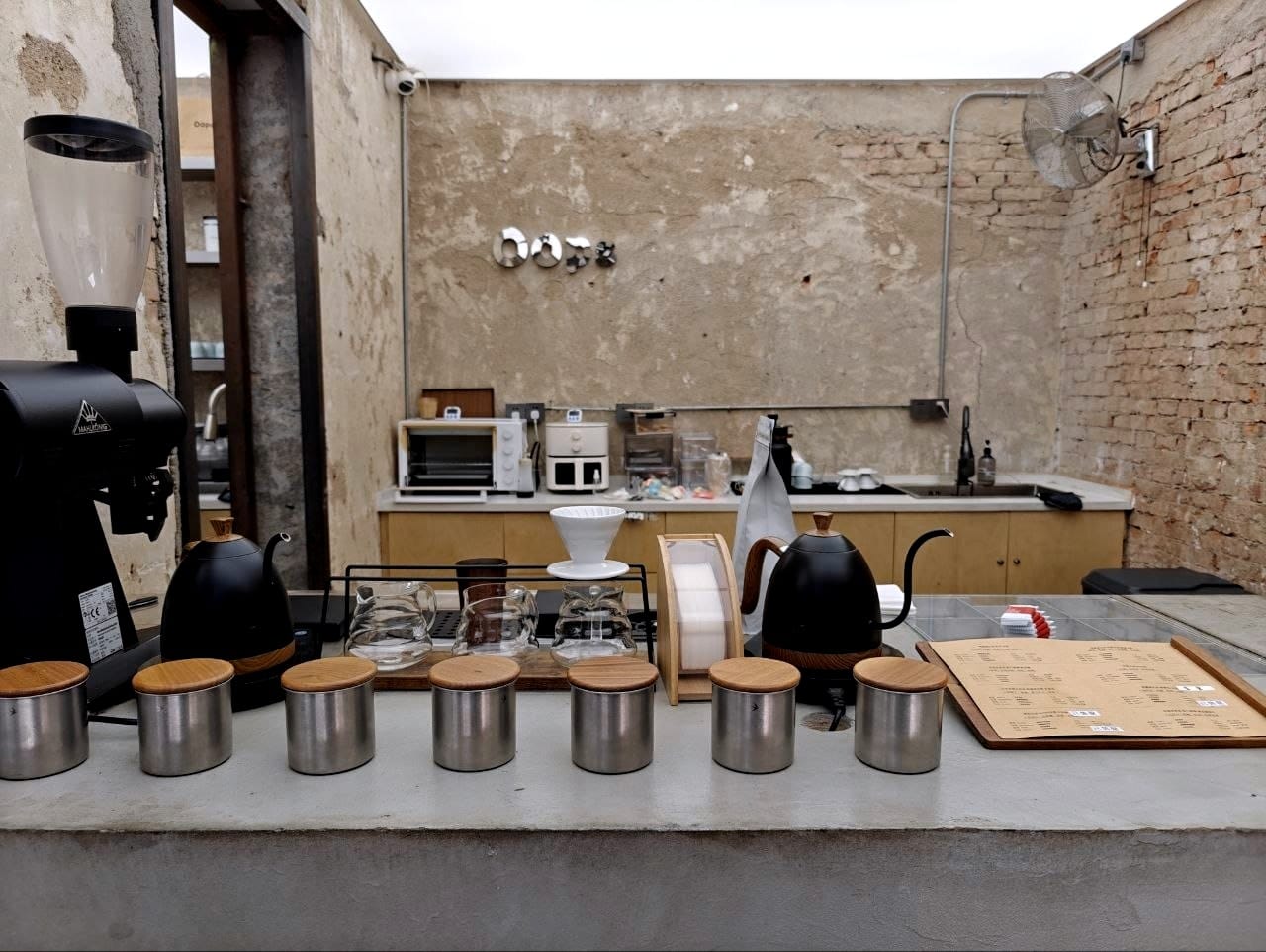
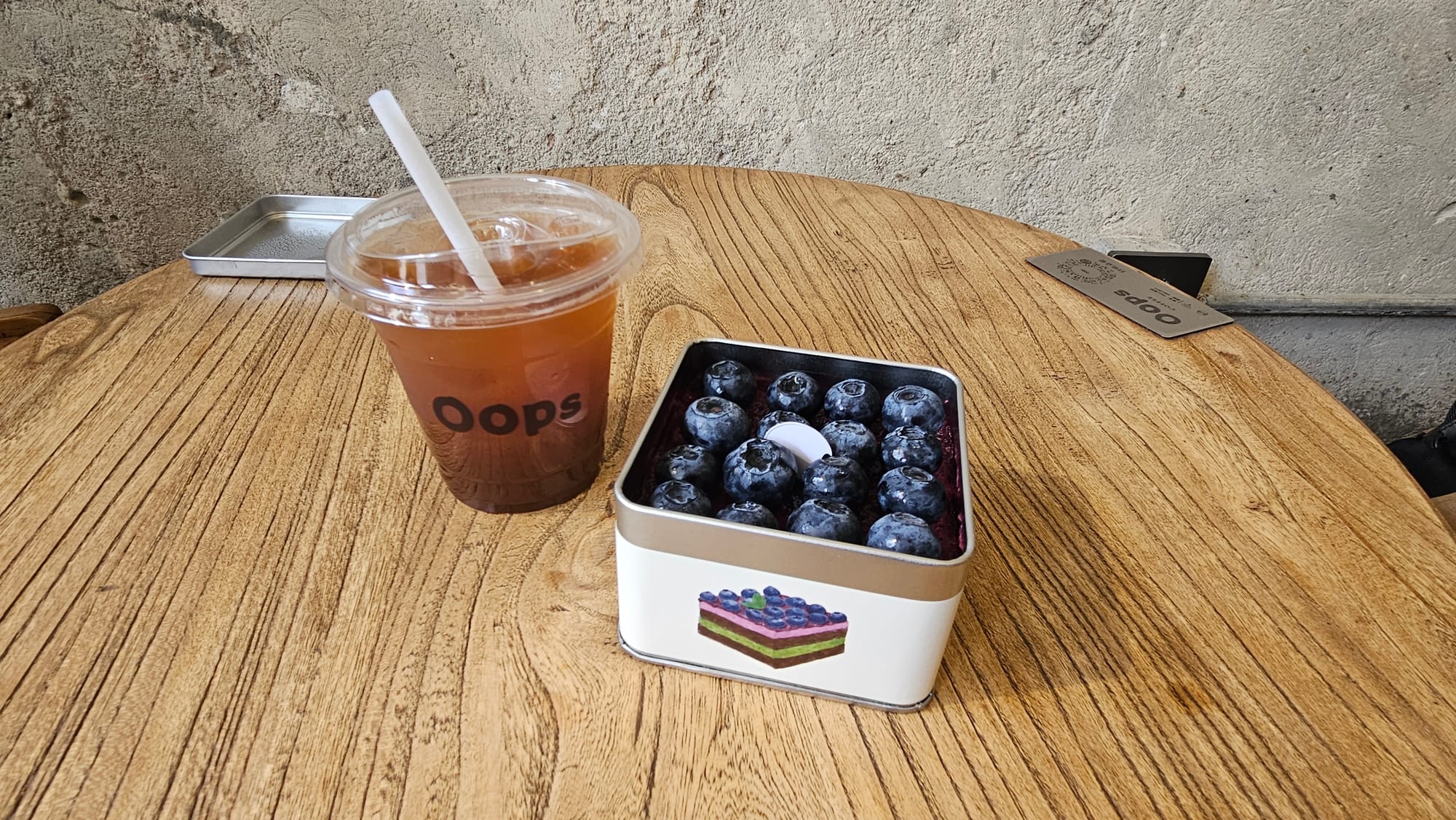
For our visit, we had two pour-overs and a matcha blueberry bento cake that were all executed well. We noted that Oops Coffee also offered a signature flight concept, allowing guests to sample one single-origin coffee bean prepared three ways: as a pour-over, an espresso, and a milk beverage. Located just a short five-minute walk from the South Gate of the city wall, it is an ideal rest stop for travelers after exploring the fortifications.
Dining: In & Out Yunnan Restaurant (SKP Mall)
Rating 7.9/10
In & Out is a well-regarded Yunnan restaurant that can be found in many Chinese cities. With a flavour profile centered around fresh herbs and spices, the restaurant offers a refreshing contrast to the heavy, wheat-based, and bold savory profile typical of traditional Shaanxi cuisine.
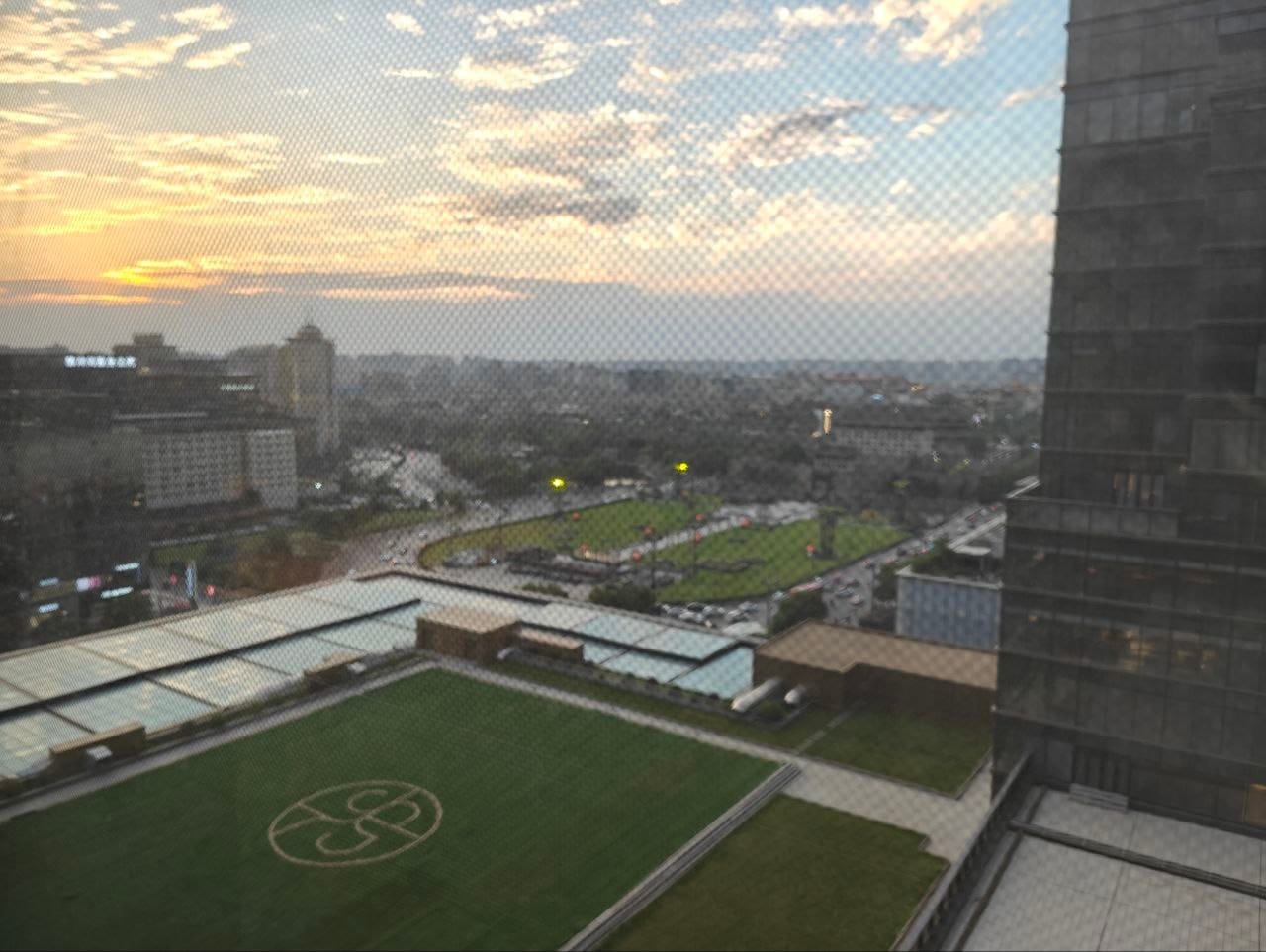
The dining space is thoughtfully designed with natural wood, lush greenery, soft ambient lighting, and understated ethnic textiles. This calm atmosphere is complemented by attentive, polite service from staff dressed in traditional attire. The view from the restaurant is a big positive, as it faces one of the more famous main gates of the Xi'an City Wall (Yongning Gate) and the vantage point is enhanced by the large window panels.
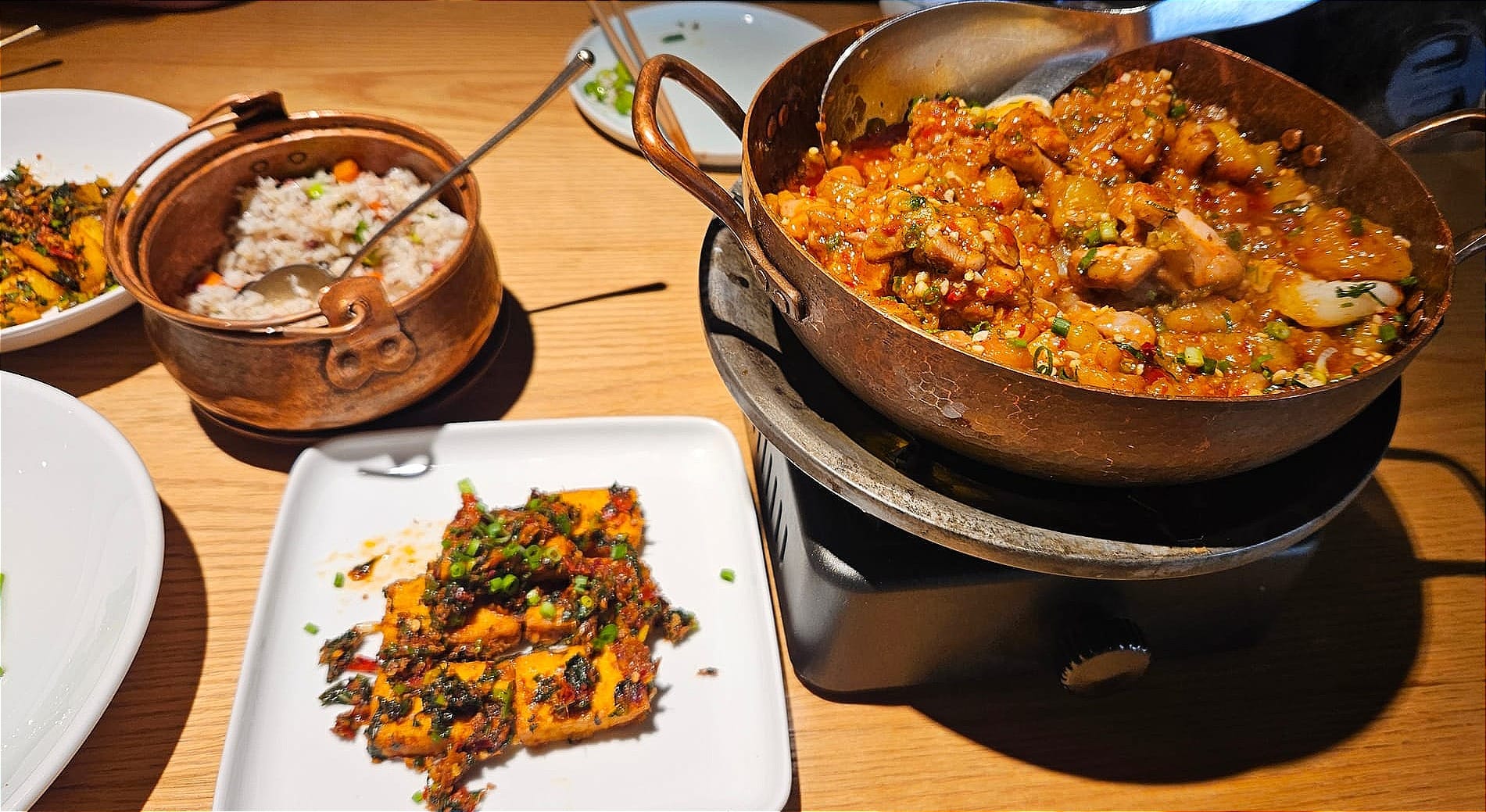
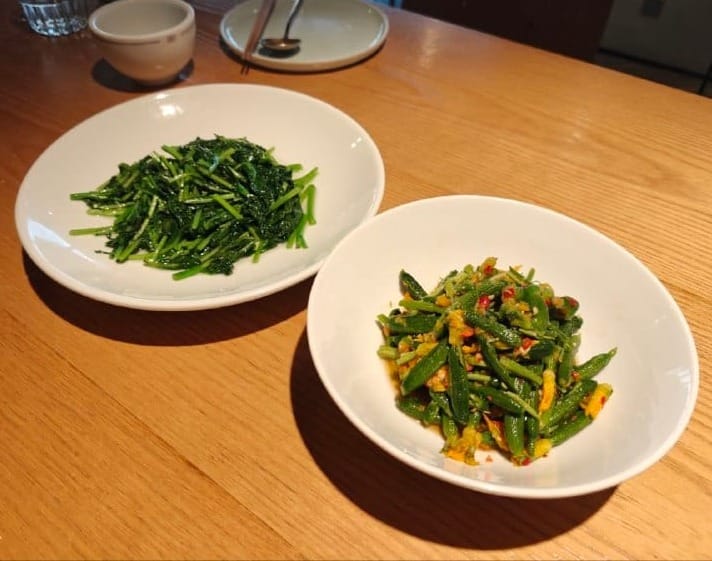
Among its signature offerings, most memorable is the Braised Chicken in Bronze Pot (Tongguo Ji), a flavorful and heartier regional specialty featuring tender chicken simmered with potatoes and savory spices inside a classic metal vessel. A simple but flavourful item is the Spicy Seasoned Sliced Potatoes (Lajiang Tugou Pian), featuring thinly cut potato slices tossed with chili oil, ground wild herbs, and regional peppercorns. Because of its light, punchy profile, it served as an excellent contrast to the richer braised pots and aromatic soups.
Dining: FLAIR Rooftop Bar
Rating 8.1/10
Perched on the 27th floor of The Ritz-Carlton, Xi'an, FLAIR serves as an intimate rooftop retreat in the city. The space balances an inviting interior lounge with an expansive open-air terrace, offering sweeping views of the surrounding skyline. As this is not the first Flair we have visited in China, we find that the outdoor terrace seating here are generously spacious and yet offer more privacy.
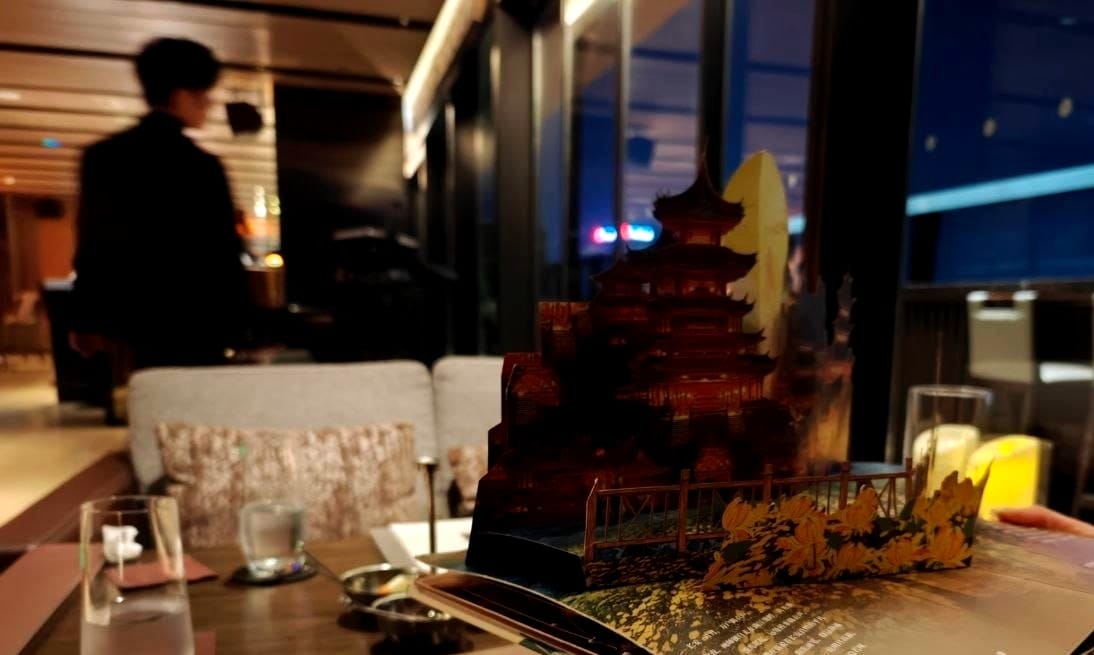
The absolute highlight of an evening here is their intricately crafted cocktail menu, which is designed like an art piece with cutouts and detailed illustrations. Rather than standard lounge drinks, the mixology team infuses local ingredients into signature creations, highlighting flavors like sweet lychee, fragrant osmanthus, and local spices. Every drink tells a story, and can be delightfully paired alongside a menu of Southeast Asian small plates and sushi.
To enjoy the best possible evening at FLAIR, we recommend making reservations prior, especially if you are keen to secure prime seating along the perimeter glass railings. Pairing a signature lychee cocktail with their small plates created a memorable finish to a full day of sightseeing across historic Xi'an.
Activity: Emperor Qinshihuang's Mausoleum Site Museum (Terracotta Warriors)
Rating 8.2/10
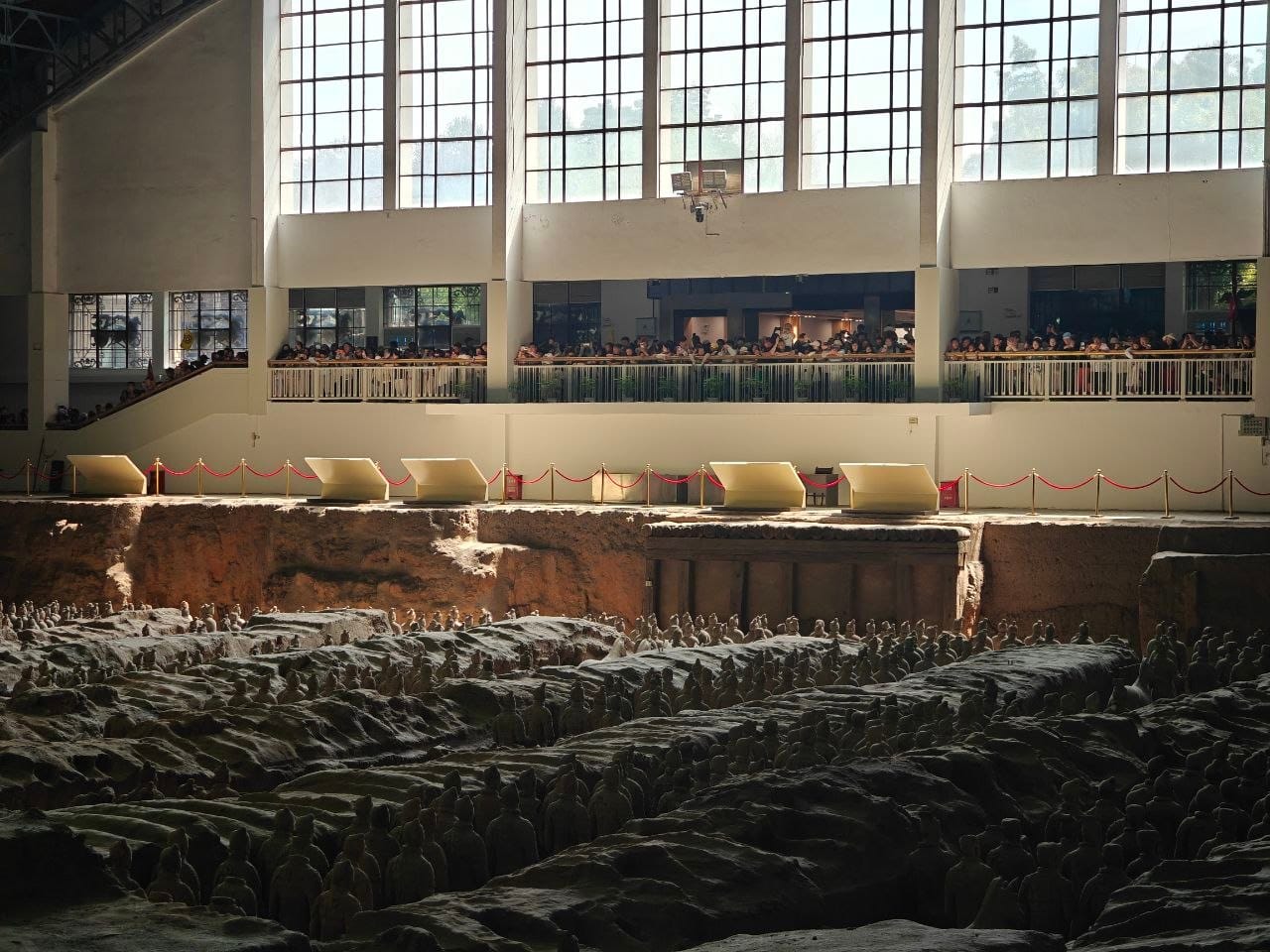
The Terracotta Warriors site today stands as one of the most significant archaeological discoveries of the 20th century. This tourist site is usually the main reason for tourists coming to Xi'an, and we can understand why after visiting it ourselves. The artefacts are outstanding and the pits themselves are something we cannot see anywhere else. That said, we think the overcrowding issue can be rather hard to resolve, partly affecting our experience at the site.
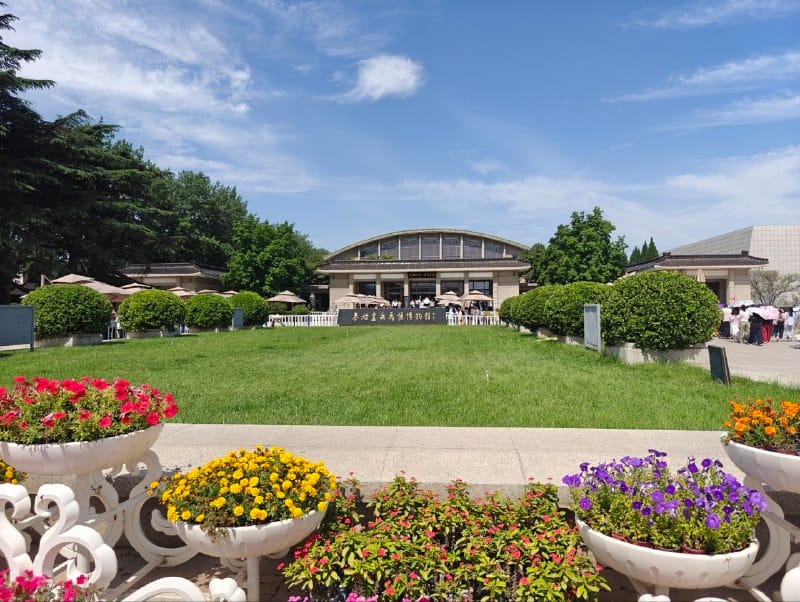
Operating hours typically run from 8:30am to 6:30pm during peak summer months, offering entry to three excavation pits, the on-site indoor museum, and the accompanying Lishan Garden park, where the actual mausoleum is located. If tickets are booked online through a platform like Klook or Trip.com, most of the tours may require participants to physically register and collect the audio equipment. Factor in additional time before your intended entry time as there are many tour operators with their respective offices/booths outside the official entrance and it may be challenging to locate the right one.
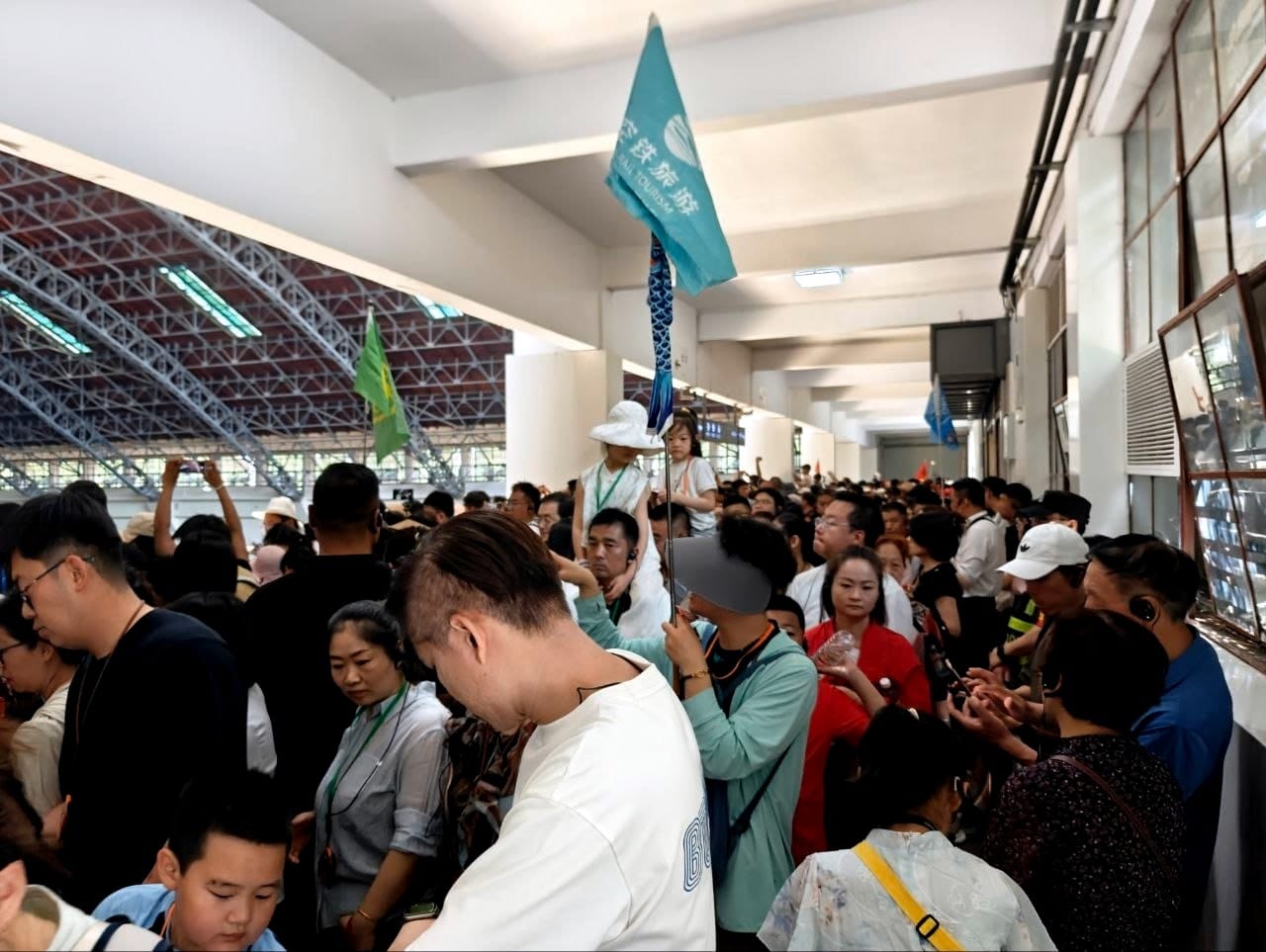
While we recommend an audio tour with a guide, the downside of a guided tour is that there is no flexibility of exploring on your own. The sequence of the tour will be exactly together with the crowds. More independent visitors can consider doing a self-guided tour without a guide, as the entire compound is straightforward and easy to navigate around. That also means that you can switch up the order of visiting the various pits, only entering the most crowded Pit 1 when crowds are visibly lesser.
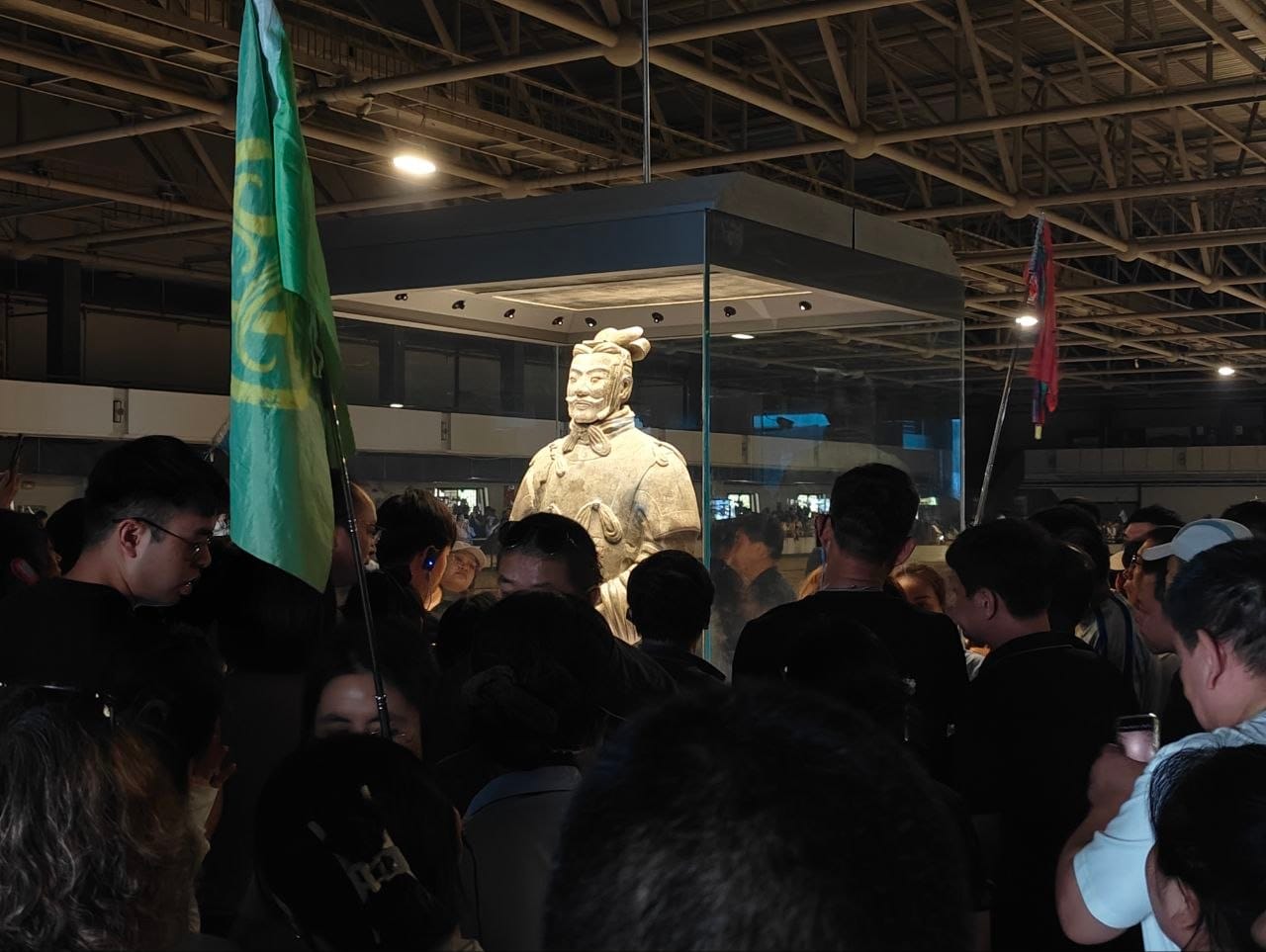
Different monuments can be found in each of the excavation pits, providing clues to the immense planning behind the mausoleum's construction. Pit 1 serves as the colossal main highlight, housing over 2,000 standing warriors, infantrymen, and horse-drawn chariots organized in a formidable battle array. Pit 2 offers a deeper look into military tactics with specialized units such as kneeling archers and cavalry officers, while Pit 3 acts as the strategic command center containing high-ranking commanders.
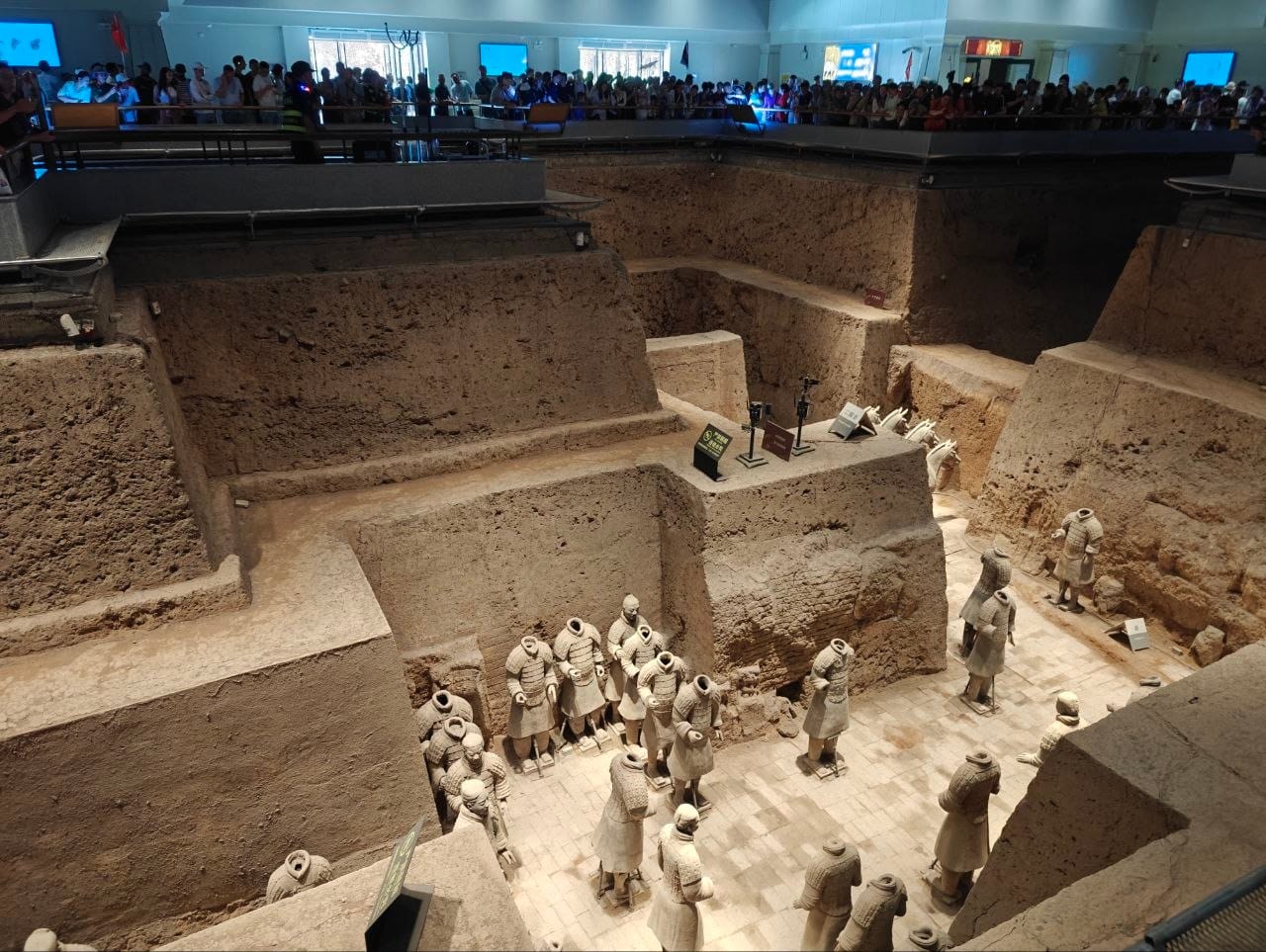
We were told by our guide that there are practically no off-peak periods. Although we arrived just an hour past opening, the place was already busy with tour buses, long lines entering the compound, and packed excavation pits. Nonetheless, it is definitely worth visiting to witness this significant slice of Chinese history.
Activity: The Song of Everlasting Sorrow
Rating: 8.5/10
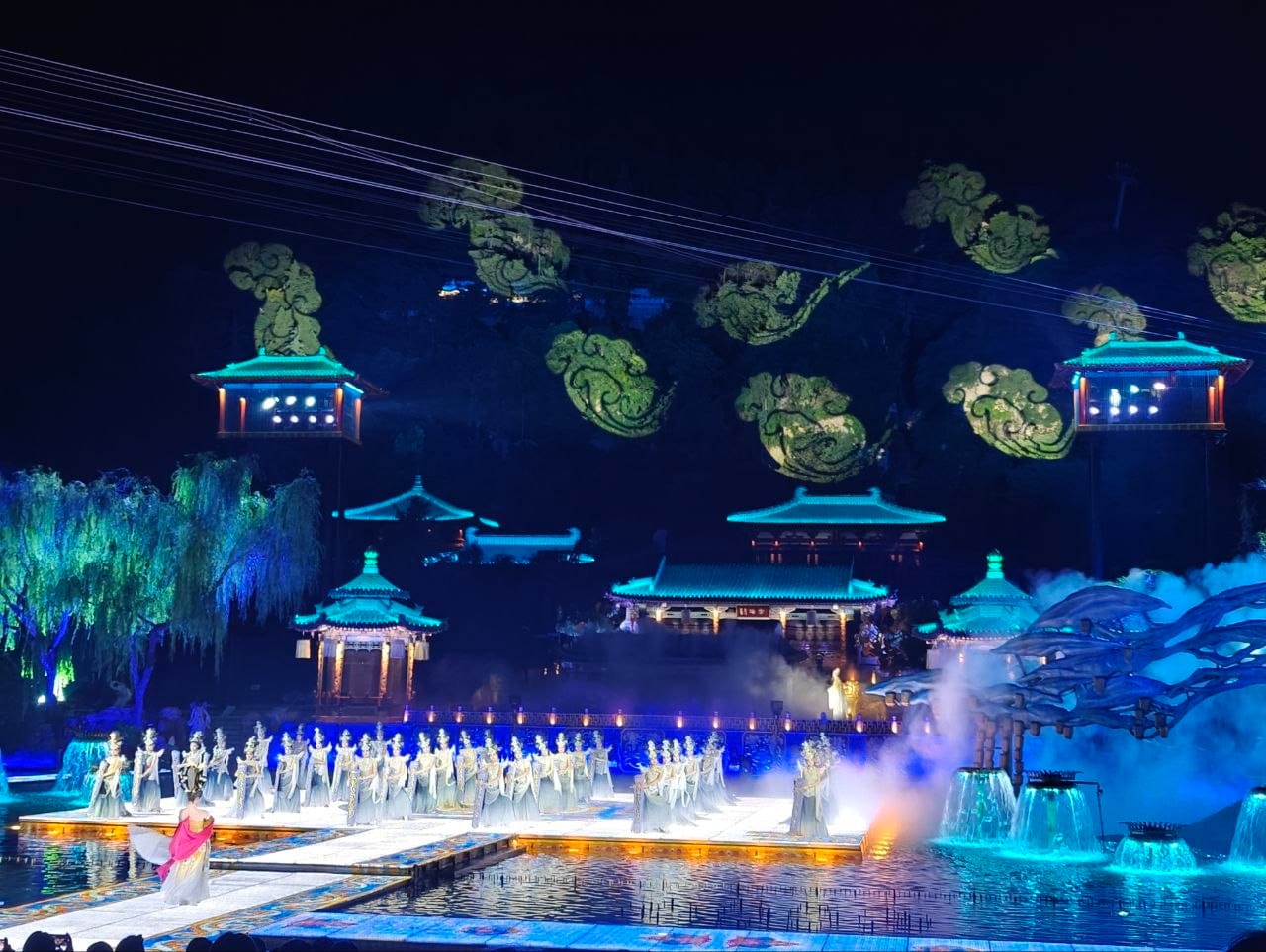
This turned out to be a surprise highlight of our trip, rivaling that of the Terracotta Warriors. Staged outdoors against the backdrop of Mount Li at the historical Huaqing Palace, The Song of Everlasting Sorrow is a large-scale historical dance drama. This performance seamlessly blends local Tang Dynasty history with theatrical technology, bringing to life the classic poem by Bai Juyi and illustrating the tragic imperial love story of Emperor Xuanzong and his consort Yang Guifei right on the waters of the imperial hot springs.
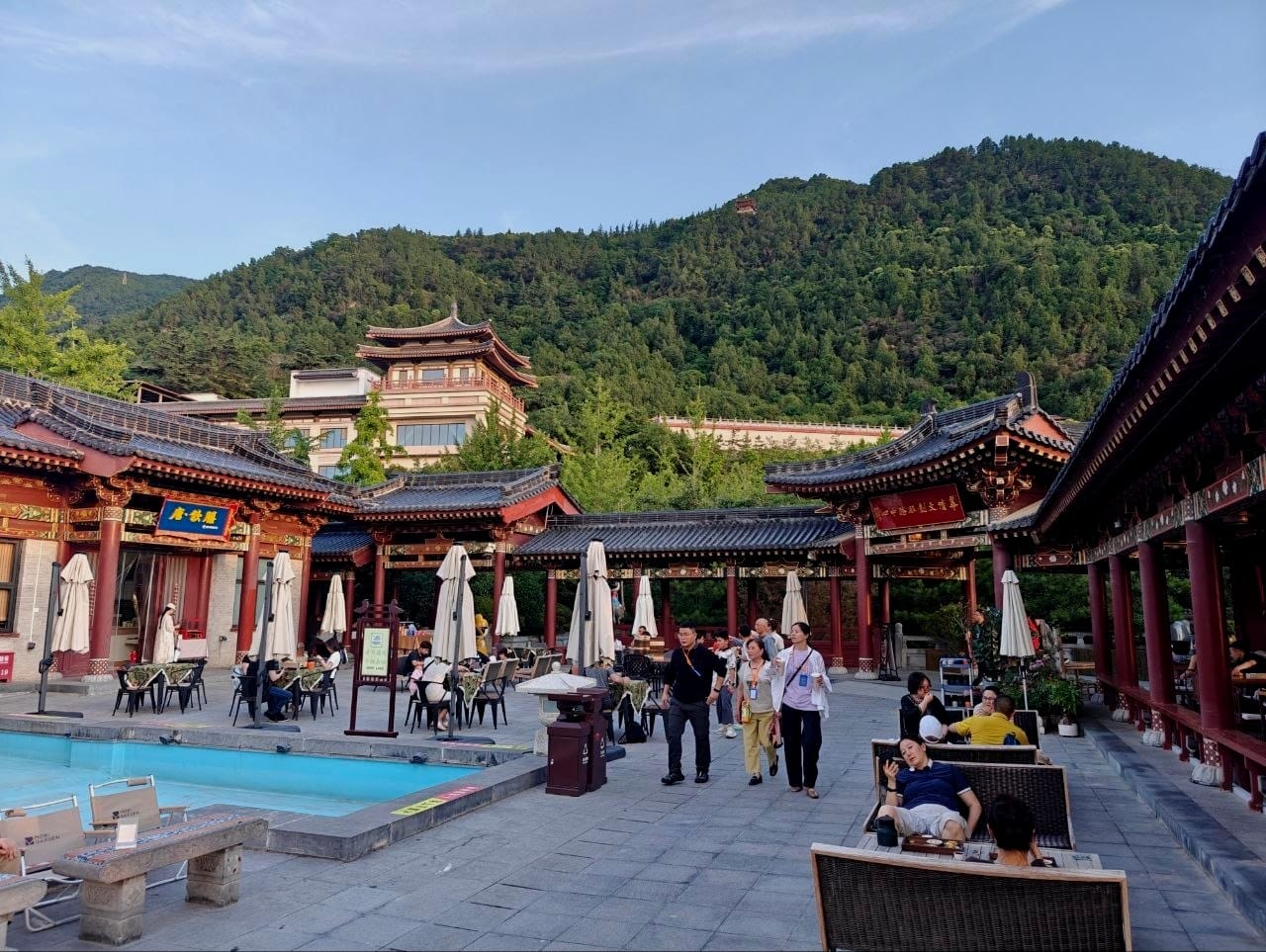
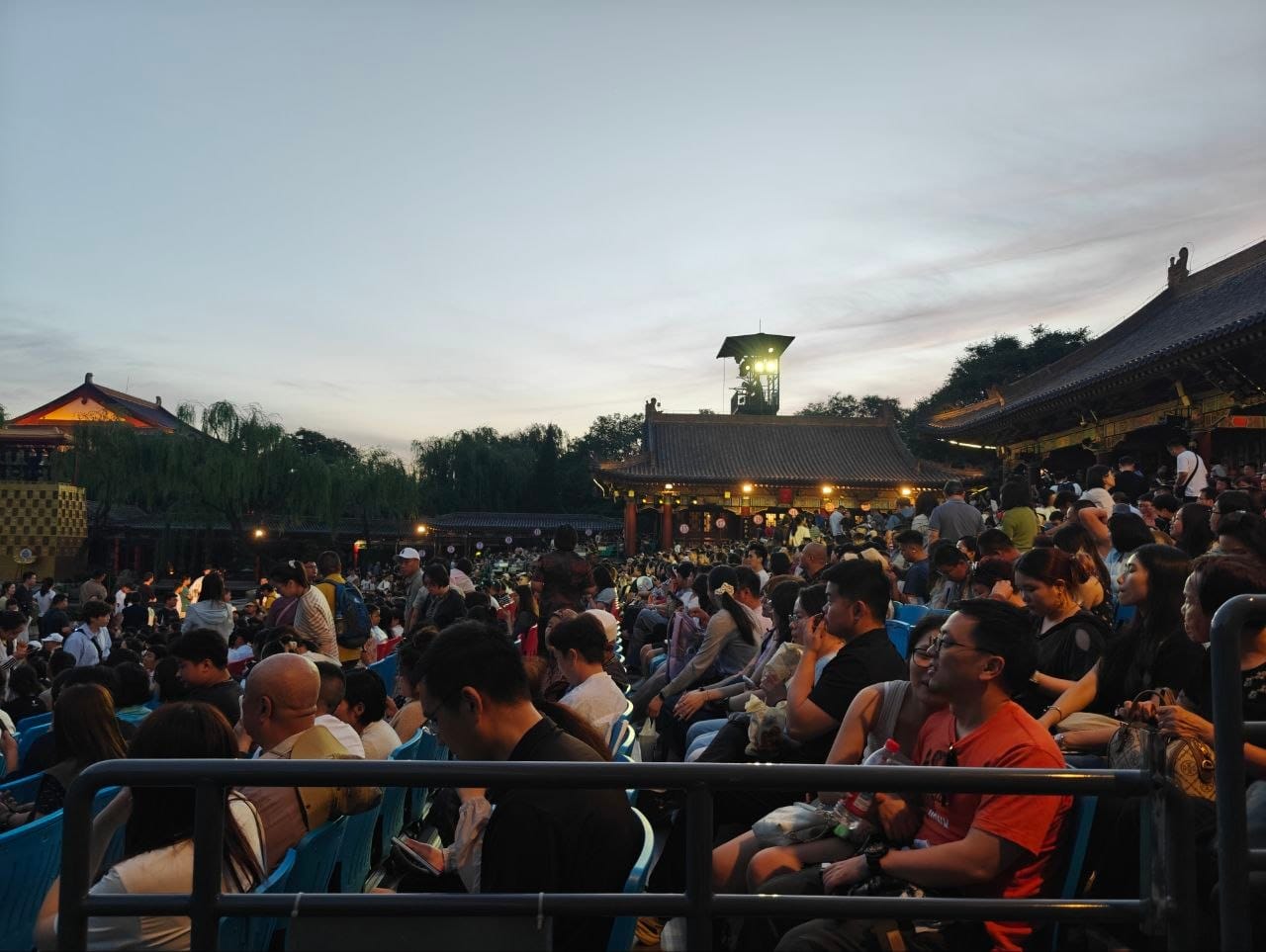
Due to its immense popularity, the show runs multiple times an evening during summer months with shows as late as 11:00pm, and tickets range from roughly 260RMB to over 800RMB depending on the package tier. We purchased a package from Trip.com that included a short refreshment session before the performance at a dedicated seating area against a beautiful setting sun. While it sits at a higher price point than standard city theater, we felt that its unique open-air pool stage, hidden mechanics, and mountain-side lighting effects provided a one-of-a-kind experience.
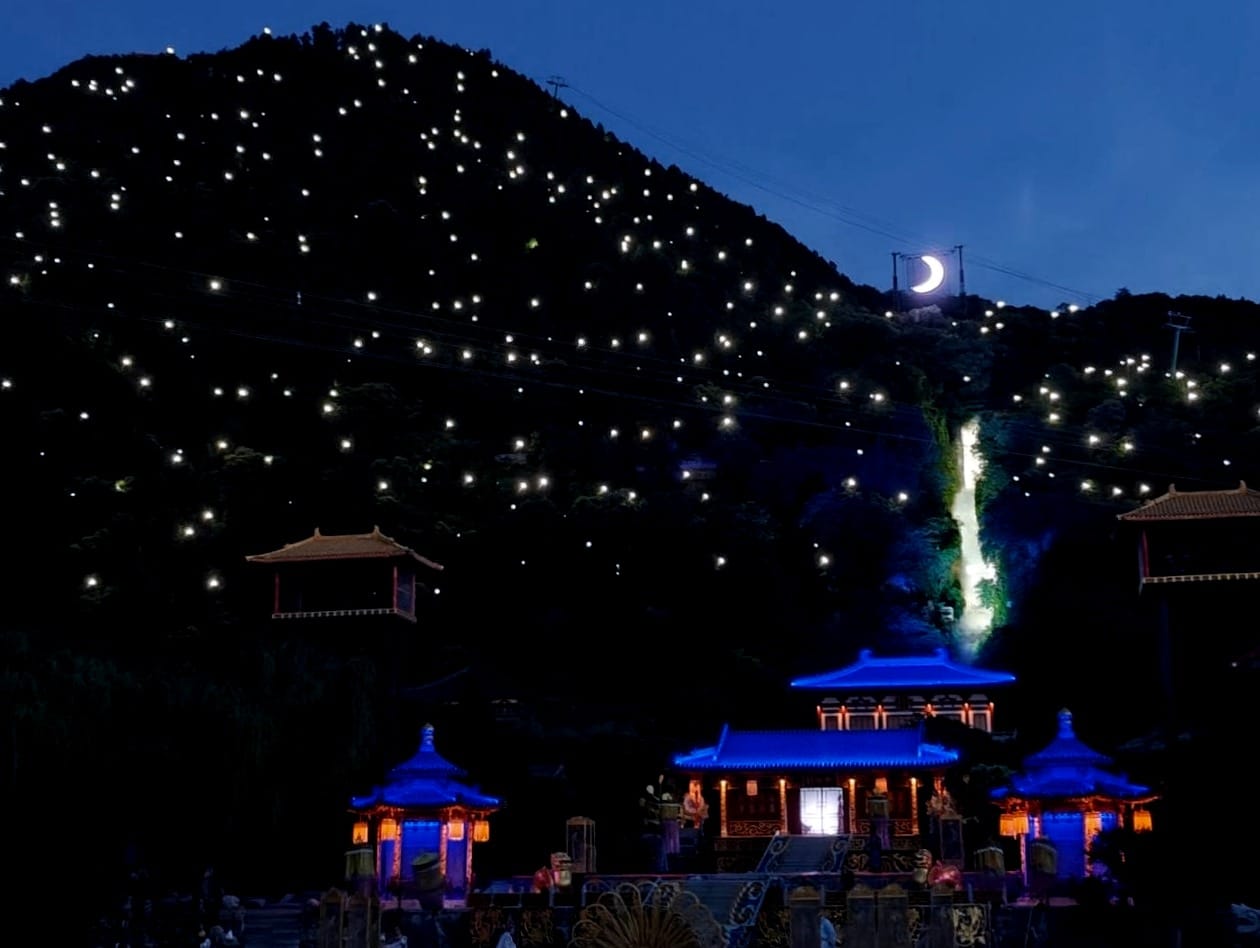
For a smooth evening, book your tickets at least one to two weeks in advance since central zone seats sell out rapidly. Visitors should plan to arrive at the Wangjing (West) Gate of Huaqing Palace at least 30 minutes prior to showtime to navigate mandatory real-name passport ID security checks smoothly and enjoy access to Huaqing Palace before the show. Additionally, even though summer days are warm, a light jacket or cardigan is useful as the evening mountain air can get surprisingly brisk as night falls. Although it is a fully outdoor performance, we understand that the show will still go on in the event of rain (unless it is a really big downpour).
Activity: Xi'an Ancient City Wall
Rating: 7.7/10
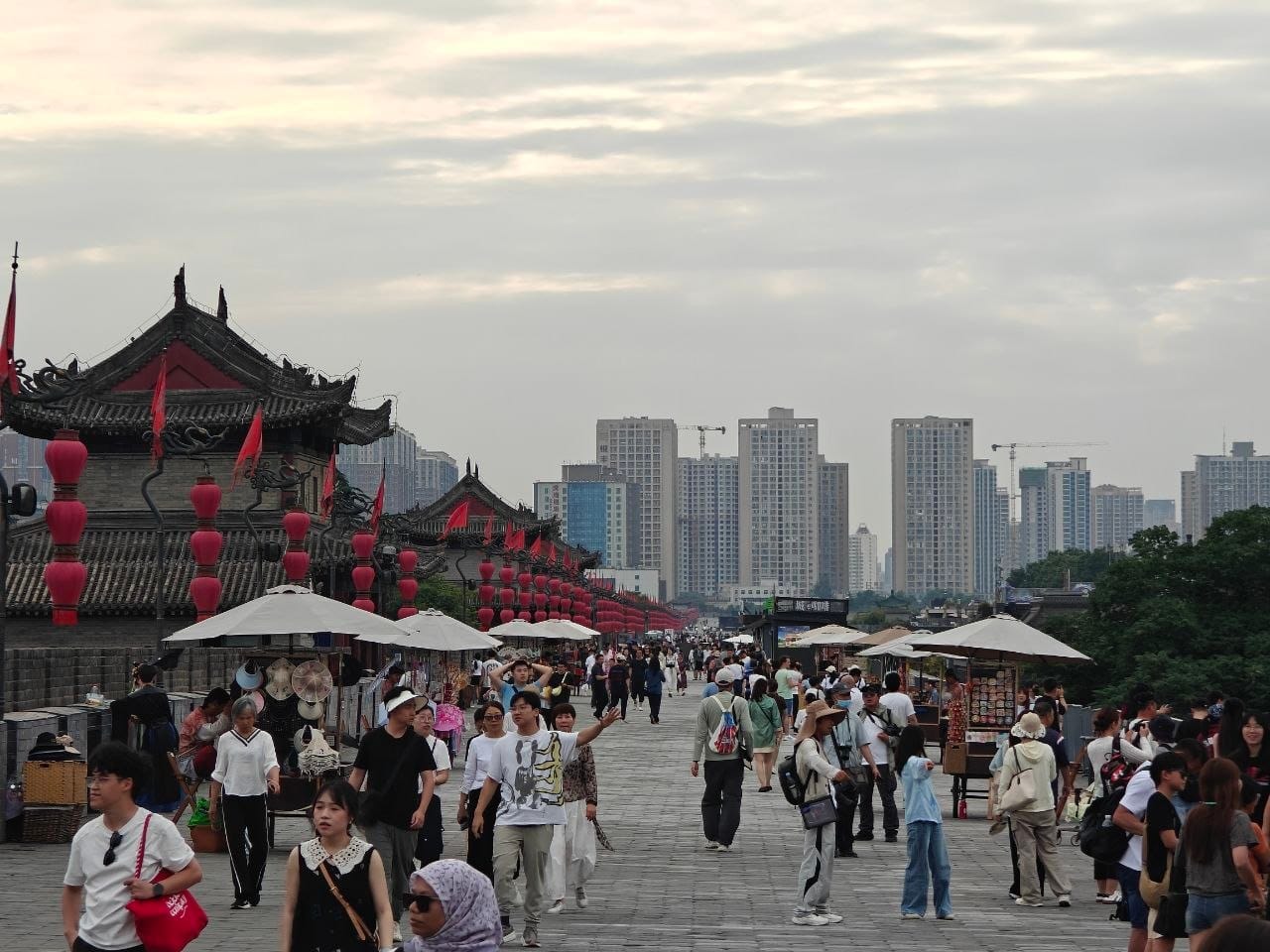
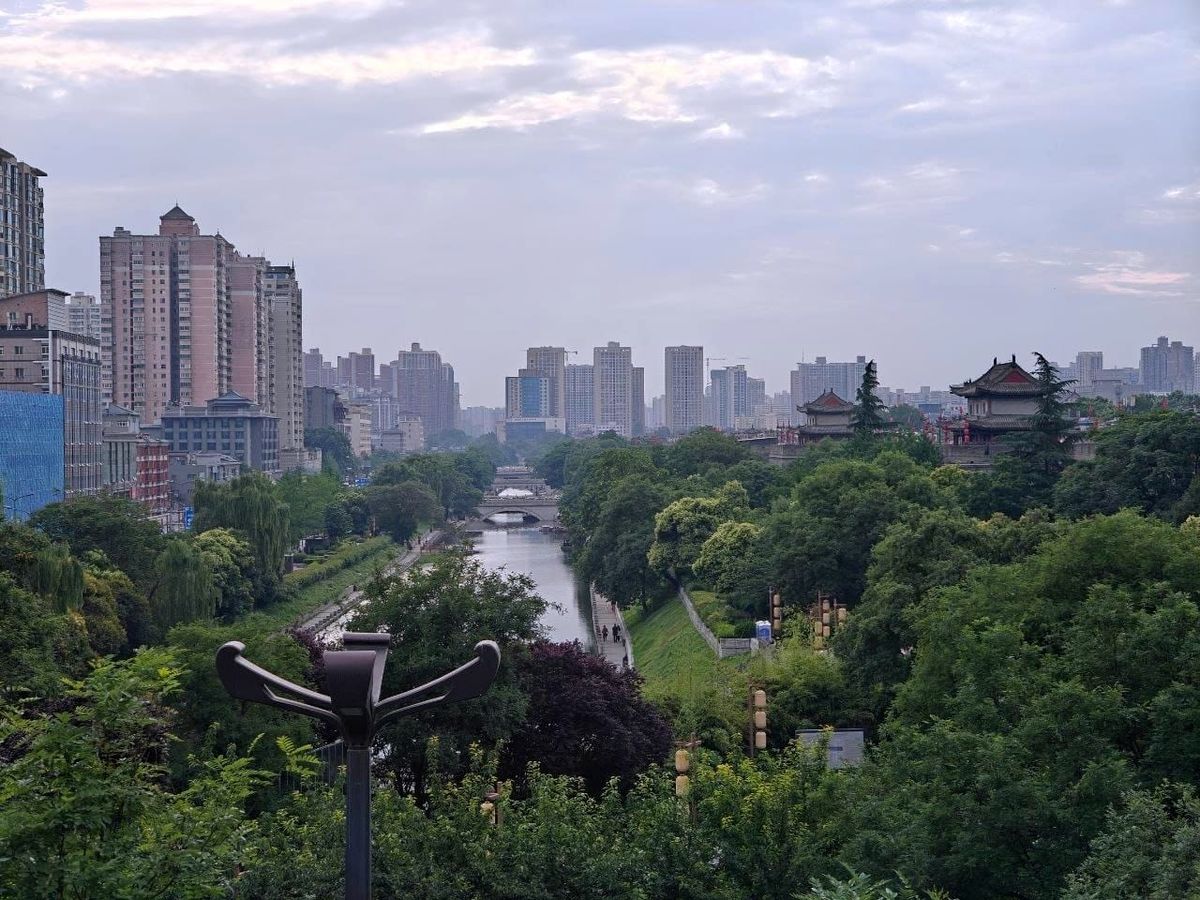
The Xi'an Ancient City Wall represents one of the oldest, largest, and best-preserved military fortification systems in the world, encircling the inner city across a massive 13.7-kilometer perimeter. This site provides a tangible connection to Ming Dynasty defense architecture while offering elevated views of the contrast between ancient roofs and modern skyscrapers, which we particularly enjoyed.
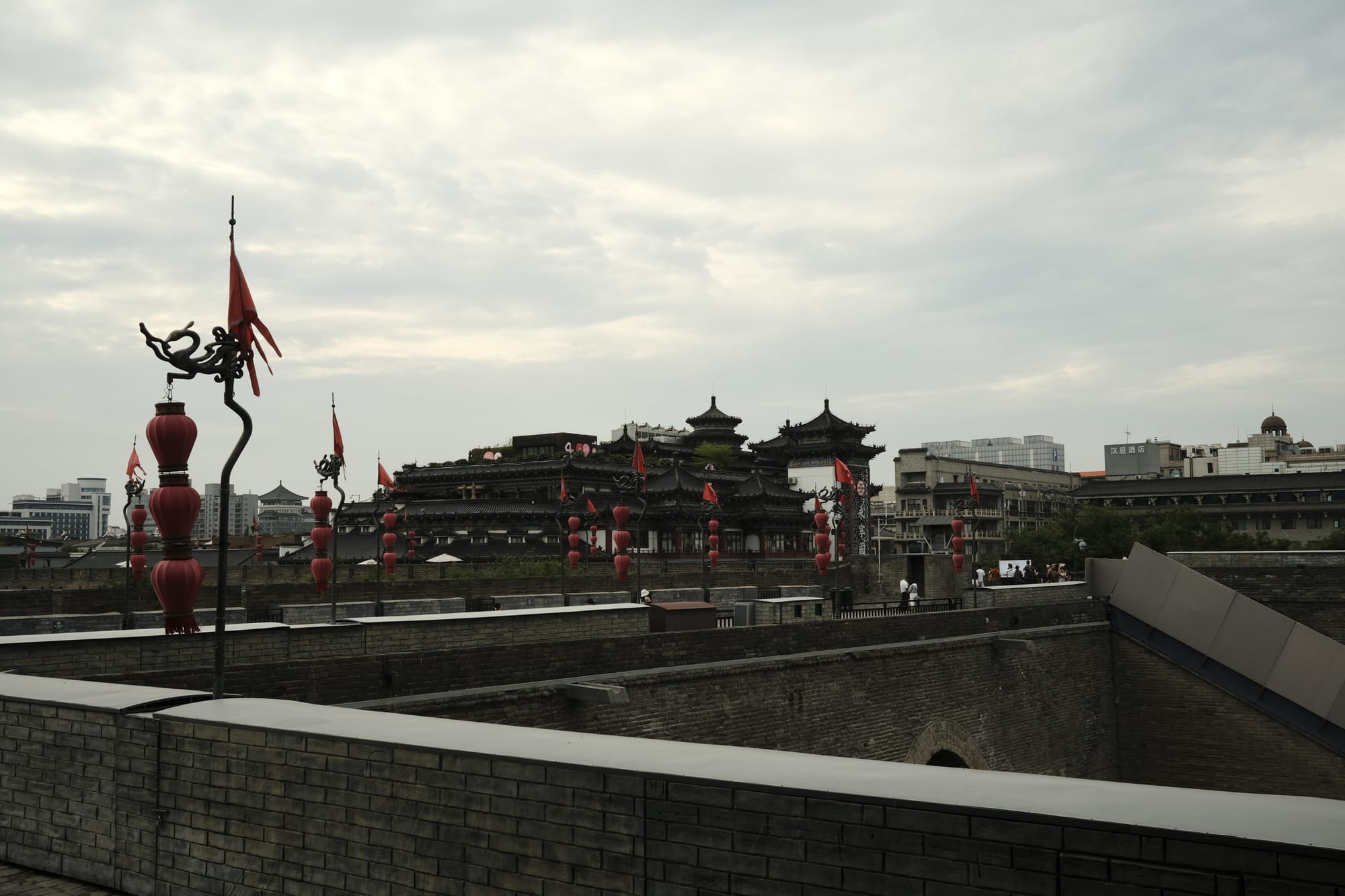
Navigating to the wall is convenient due to its multiple main gates (South, North, East, and West Gates), all connected directly by Xi'an's metro lines. We entered via the primary entrance at Yongning Gate (South Gate), which is accessible via Metro Line 2. We recommend visiting during the evening when the weather may be cooler and there is still sufficient time to catch the illumination of the walls at night. Overall, the walk atop the spacious ramparts were comfortable and we were treated with panoramic city views stretching towards various prominent city spots.
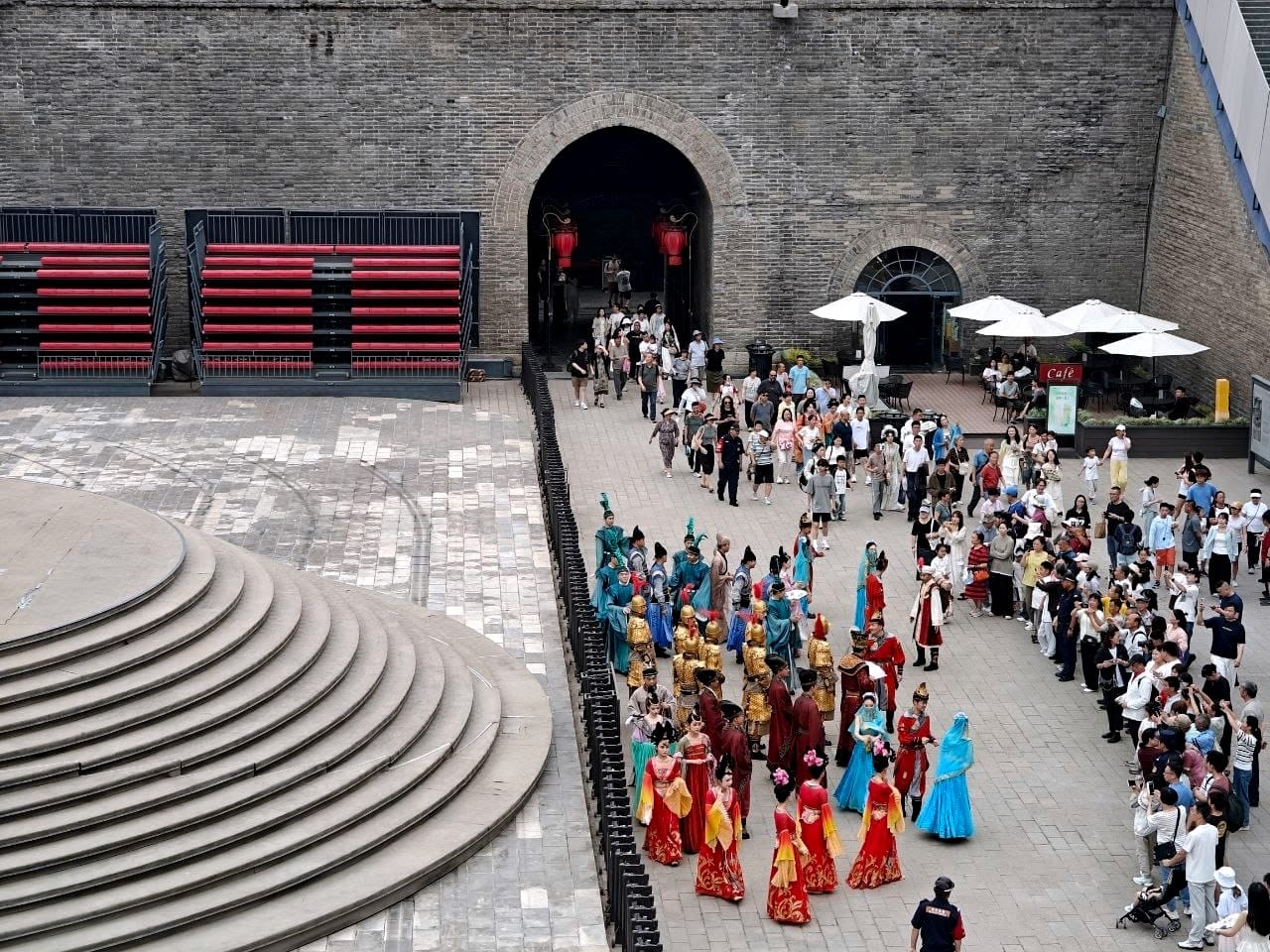
Xi'an successfully balances its identity as an ancient imperial capital with its role as a modern provincial hub. For us, a trip here is best structured by dividing time between the high-density historic core and the outer Lintong District, which demands dedicated time for their large-scale archaeological and theatrical sites. While it may lack the urban infrastructure of cities like Shanghai, we find that Xi'an offers a unique scenery and landscape not found in other more modern cities.