Indonesia: The worst is likely over
The Indonesian rupiah has been under intense scrutiny of late, with fears of the currency driving the local economy into an emerging market crisis.
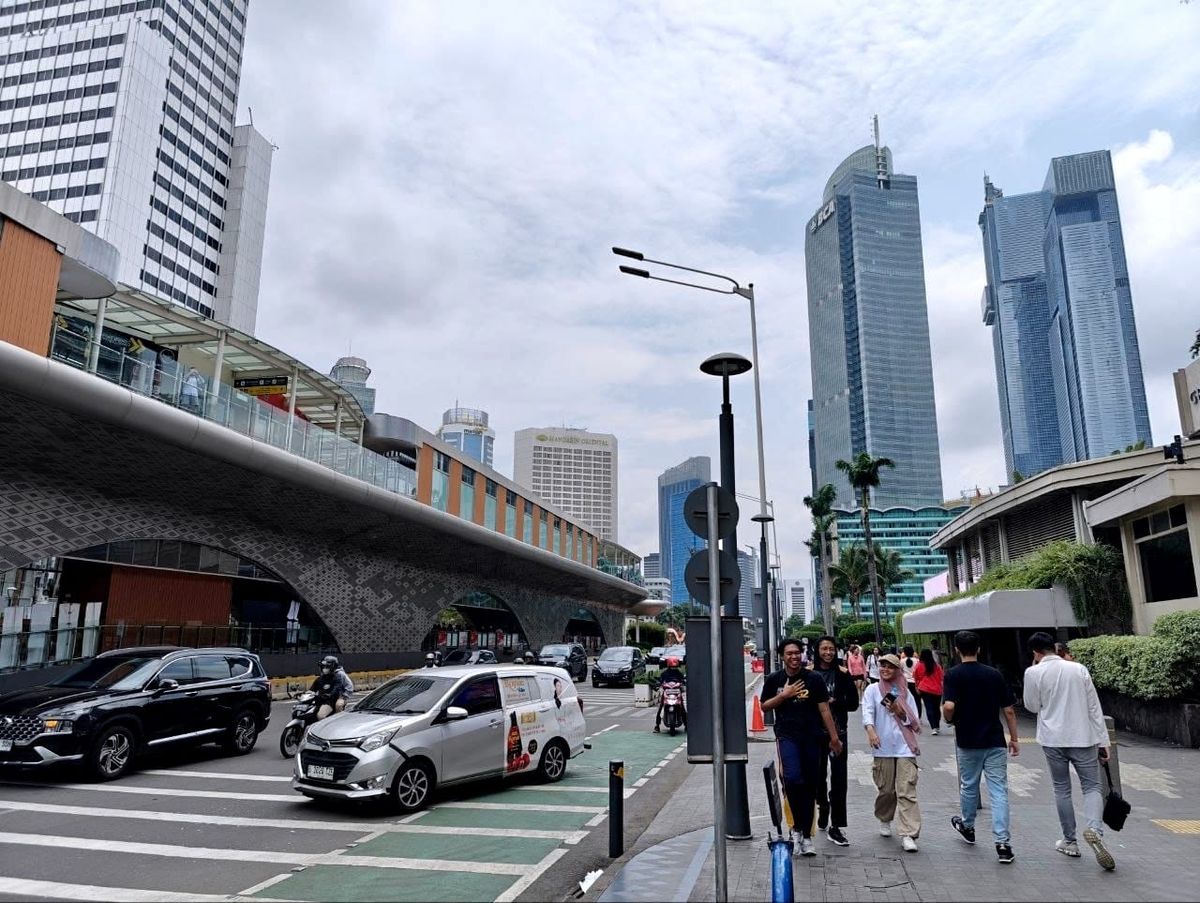
The Indonesian rupiah has been under intense scrutiny of late, with fears of the currency driving the local economy into an emerging market crisis. At the heart of the episode is the pressing concern regarding confidence in the economic and political system of the country. Having took office almost two years ago, President Prabowo has embarked on a series of reforms and initiatives for the nation.
However, several dominoes are beginning to fall from the trigger of the Iran war. One direct and immediate consequence of the Iran war was the elevated energy prices caused by the closure of the Strait of Hormuz. Uncertainty and volatility of energy prices have affected many countries worldwide, compounding the woes faced by countries like Indonesia due to fiscal strains.
To shield and support the economy, government spending is likely to increase and hover near the deficit target of 3% of GDP. In fact, government expenditure has been the main driver of GDP in 2026. What is currently missing is the participation by the domestic private sector as well as foreign direct investment.

With the sudden resignation of Perry Warjiyo last month, the challenging role of the central bank governor was finally looking to be filled by Destry Damayanti according to an official nomination announced yesterday. Currency weakness and stock market volatility are two major issues confronting Bank Indonesia. To arrest the mounting capital outflow pressure, Bank Indonesia had already hiked interest rate forcefully, including an off-cycle emergency hike just weeks before the scheduled July monetary policy meeting.
As a sign of reassurance, there is now a short-term stabilisation in the rupiah after the sharp depreciation in the second quarter of 2026. While Indonesia still possess sufficient foreign currency reserves to intervene if necessary, the broader concern is the sustainability of these interventions since the government’s revenue base has yet to recover with the macroeconomy.
To further support the local currency, various non-foreign reserves measures are introduced or discussed. As an example, a recent enhancement to the general treatment of foreign-currency earnings meant that most export proceeds of natural resource except oil-and-gas will have to be retain in state-owned Himbara banks for at least 12 months.
Lastly, what was certainly a major shock to foreign investors and multinational corporations was the announcement of export controls in commodities. Danantara Sumberdaya Indonesia (“DSI”), a unit under the sovereign wealth fund Danantara Indonesia, was initially mentioned to be directly involved in improving tax collection by centralising the export of key strategic natural resources such as palm oil and coal.
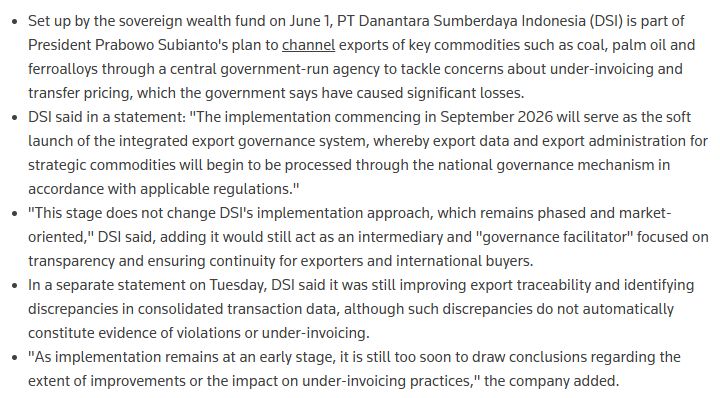
After a preliminary timeline and transitional period was announced, details were further clarified and eventually walked back due to the large resources needed to administer the plan. For now, DSI is playing more of a supervisory role in terms of monitoring commodity prices in contracts and preventing under-invoicing.
Facing all the recent flux in Indonesia’s economic policies and political departures, the imperative is to instill confidence among stakeholders that the possibility of an emerging markets crisis is low.
Finance minister Purbaya and newly-nominated Bank Indonesia governor Destry Damayanti are likely to promote better coordinated policy responses to the macroeconomic situation while the leadership uncertainty at the National Nutrition Agency administering the high-profile free meals program may finally be subsiding.
As MSCI review in November 2026 approaches, capital market reforms to address ownership transparency and market manipulation of illiquid stocks are also proceeding well, in a bid to stave off a downgrade from international rating agencies. Indonesia may have gotten to a rough start to the year, but there are signs pointing to the resiliency expected of this emerging market economy.