Komehyo: Where are the buyers?
Japan-based Komehyo stands out for its retail-first growth strategy boosted by the high-trust factor of Japan’s luxury goods authenticity and quality.

The breakneck growth of secondhand luxury goods marketplaces, especially in watches and handbags, have pushed more luxury brands to introduce or enhance their certified pre-owned programs (“CPO”) in an attempt to control the life cycle of their products. This period of disintermediation with brands and their authorized retailers encroaching into traditional pre-owned luxury resellers’ turf is made more challenging by the fact that consumers have been facing affordability concerns in the past year or two.
Luxury stocks like LVMH and Hermes are facing steep decline in their market values, while management commentary and outlook points to further softness in leather goods and ready-to-wear. Jewelry fared better at the moment, with Richemont consistently outperforming its luxury peers. That said, one bright spot is not sufficient to offset the overall health of the luxury industry facing consumer pushback after years of relentless retail price hikes.

In the active secondhand market, Japan-based Komehyo stands out for its retail-first growth strategy boosted by the high-trust factor of Japan’s luxury goods authenticity and quality. By sourcing from individual sellers, the strategic prominence of their store locations is critical to convert high daily traffic into a reliable source of luxury products trading. The company also operates in the B2B segment through dealer auctions, leveraging on its scale to gather wholesale demand and pricing insights further up the value chain.
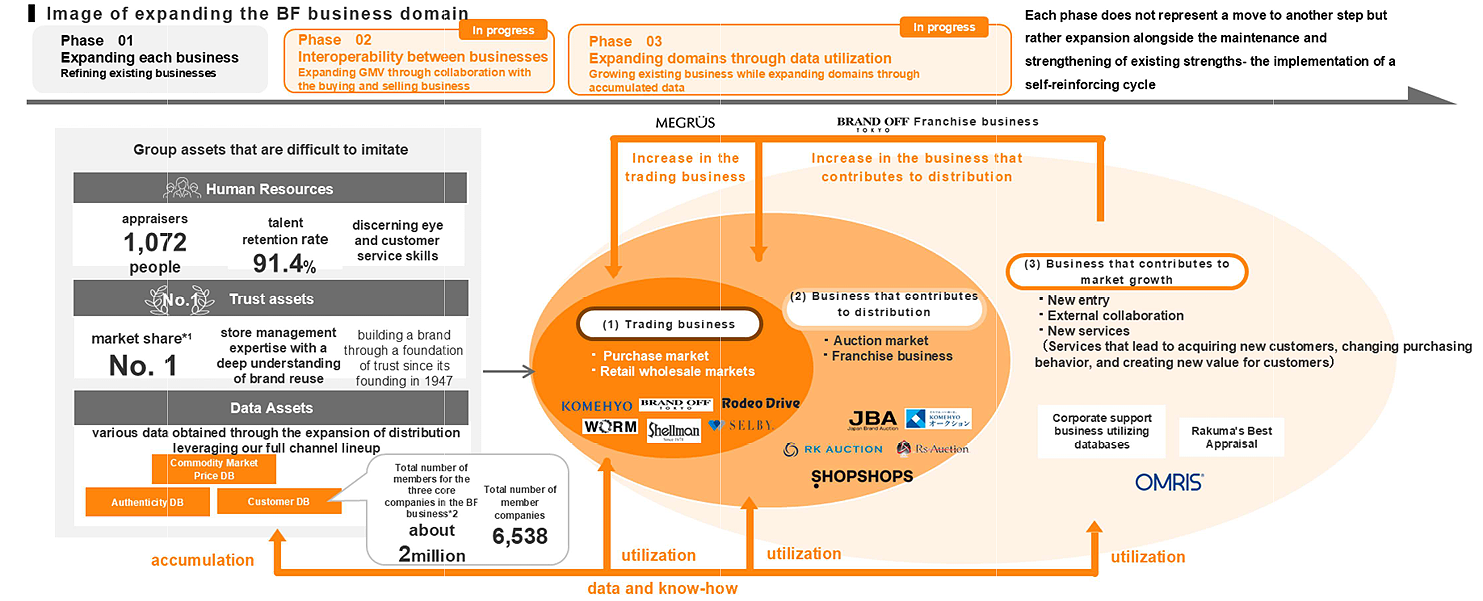
One opportunistic and increasingly transformational deal was the distressed acquisition of Brand Off in 2019 by Komehyo. Years following the deal, it sets the foundation of an international and online platform (given Brand Off’s presence in Hong Kong and Taiwan) and shapes the overseas ambitions of the company.
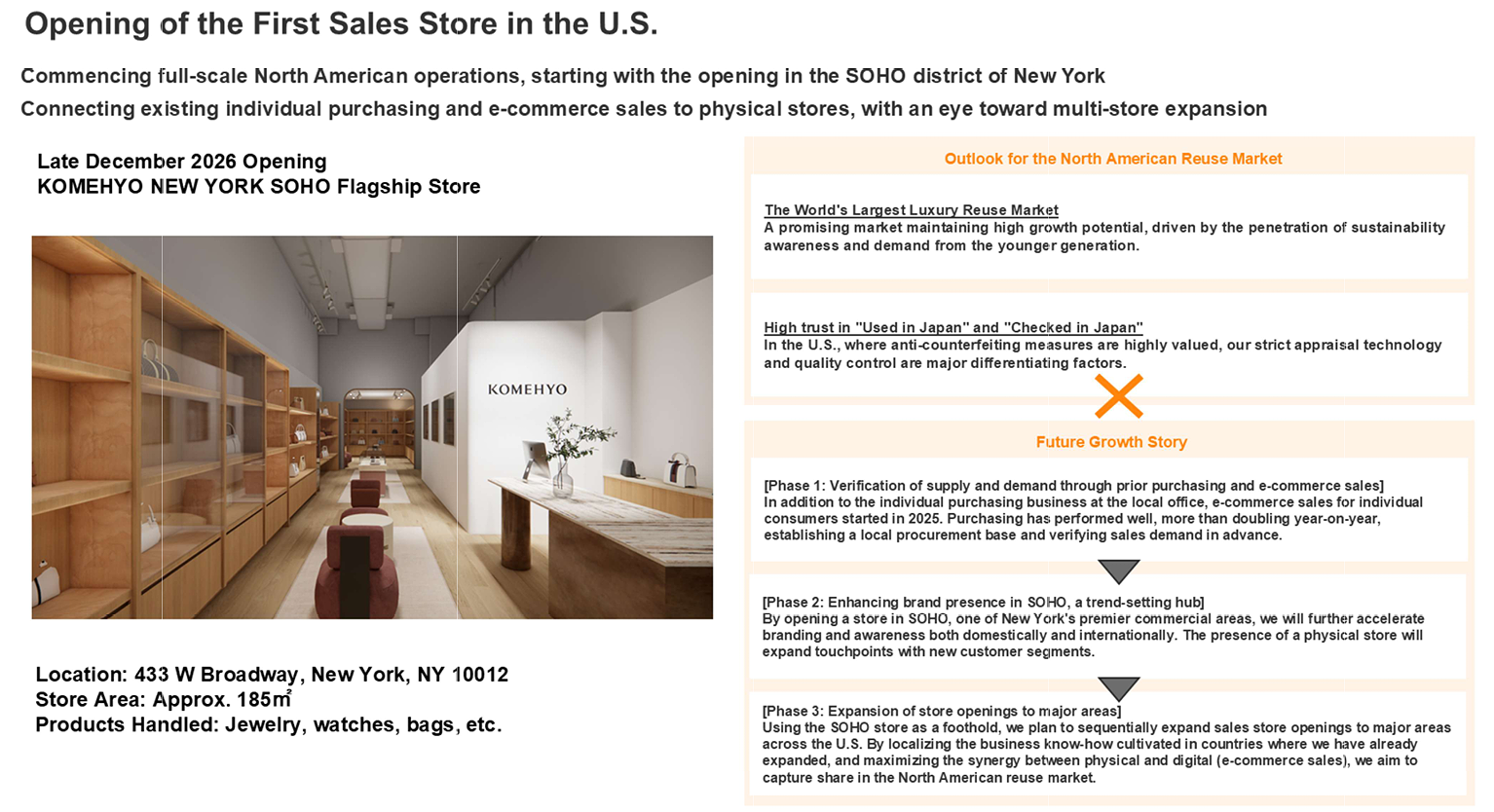
Having rode the secondhand luxury boom, Komehyo is looking at a strong pipeline of overseas store openings as far as the United States. Currently, retail store openings are still concentrated in ASEAN and Greater China region. Shanghai also saw the launch of Komehyo’s B2B auctions in mainland China while Macau is the midst of starting the purchasing business. London is slated to be the gateway for Europe expansion and that will position Komehyo to be active in all the key economic geographies globally.
Amongst the luxury consumer audience, the volatility and broadly depreciating strength of the yen currency had shifted many primary sales to Japan. Compounded with the popularity of the country as a top tourism destination for US travellers, it is no surprise that primary retail sales to outlet sales to secondary sales all received a higher proportion of tourism receipts. Next month, Komehyo will bring their physical store to the US via their New York SOHO flagship opening, bringing the business closer to these end customers. This move will enhance the brand awareness and reputational credibility of Komehyo, further complementing the e-commerce channel which has already started operations in 2025. After all, US consumers contributed to nearly a quarter of Komehyo’s domestic tax-free sales within Japan, and revenue from these US individuals grew 90% YoY.
One key risk for luxury resellers like Komehyo at this point of the cycle is the longer-term value proposition of the major luxury brands. There have been widespread industry discussions on whether high-end luxury brands have carried their price hikes too far. More affordable alternatives like Coach, Ralph Lauren and COS continue to grow even as Hermes, Louis Vuitton and Gucci faltered.
While some have dismissed this accessible luxury fashion trend as temporary, much like the quiet luxury movement, what is undeniable is that businesses like Komehyo depend on the pricing power of top luxury brands to be profitable. Desire, scarcity, high prices, authenticity are all elements which contribute to the need for trust and reputation. A $500 leather bag may not require much authenticity checks, and the transaction value certainly do not justify or support a dedicated display shelf space in a prime store with high rental.
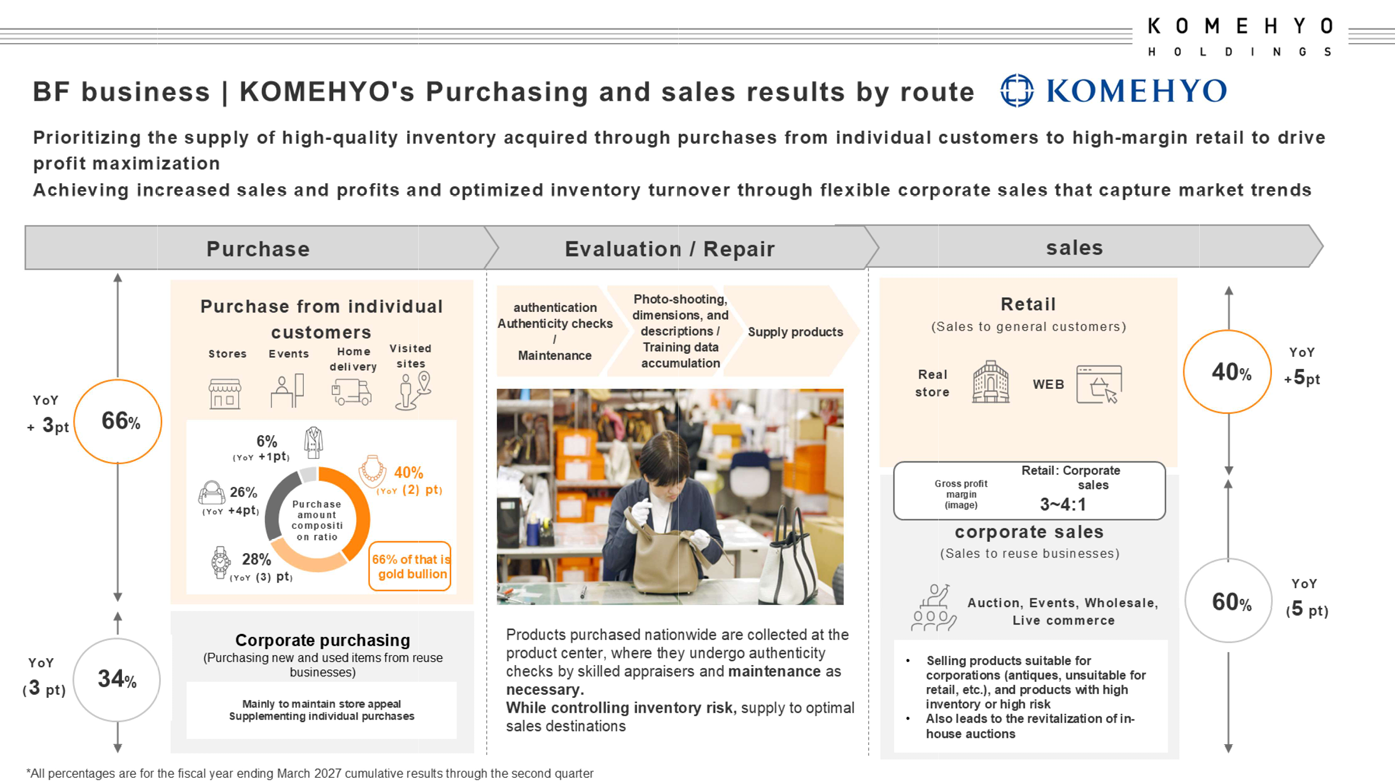
Since Komehyo business is non-consignment in nature, inventory management is hugely important. Taking on this price risk on their balance sheet, which a portion is funded by debt, means that any downturn in the wider luxury sector can erode considerable business profits. Management tracks this inventory efficiency by the cross ratio metric, where it balances how fast the inventory turn over with the gross profit margin from those sales. With retail transactions as the historically high-margin segment, underlying profitability rests squarely on the demand from individual buyers.
The bigger question, therefore, is whether this broad slowdown faced by luxury leaders like Hermes and LVMH reflects a structural shift in consumers’ tastes and preferences in luxury goods, or is this a temporary blip caused by a cost of living crisis. The former scenario will require hefty amount of marketing dollars to fix (since luxury brands traditionally resist cutting any prices at all) while the latter will expose deeper economic cracks if cost-push inflation proves to be not transient after all.